
The store is not dead. The weak store is.
For years, retail was flattened into one easy headline: e-commerce up, stores down. Every closure seemed to confirm the same tired narrative. Physical retail was supposedly fading, and online shopping was supposed to be taking over.
That was always too simple.
Weak retail got exposed. Bad locations got exposed. Concepts without a clear reason to visit got exposed. But stronger retailers did not disappear. They adapted, sharpened their store strategy, and learned how to use physical locations and digital channels together.
For real estate investors, that shift matters. Store growth is no longer expansion for its own sake. Retailers still opening stores tend to be more selective, more data-driven, and more focused on whether a location can perform.
That is one reason the RockStep team is focused on HomeTown retail. The better question is not whether retail is growing in a broad, abstract way, but which retailers are still opening stores, where they want to grow, and whether the right real estate exists for them to do it.
How Strong Retailers Adapted After The Retail Reset
Retailers that have made it through Amazon, COVID, inflation, labor pressure, supply chain problems, and higher construction costs have been tested. The ones still expanding tend to be more selective and more serious about store economics.
Off-price retailers are a good example. TJX reported that fourth-quarter fiscal 2026 net sales rose 9% compared with the prior year’s fourth quarter, while consolidated comparable sales increased 5%. Ross also described its 2026 store-opening plan as building on strong new-store performance in 2025.
For investors, those results suggest that store expansion is driven by proven performance rather than nostalgia for physical retail, which supports the broader thesis that strong operators still have room to grow.
That does not mean every retailer is healthy, or that every store opening is automatically a sign of strength. It means the blanket claim that stores are dying is stale.
The better takeaway is that stores have become more intentional. Strong retailers are not opening locations simply because they can. They open where a store can support the customer, the brand, and the economics.

Why Physical Stores Still Support Omnichannel Retail Growth
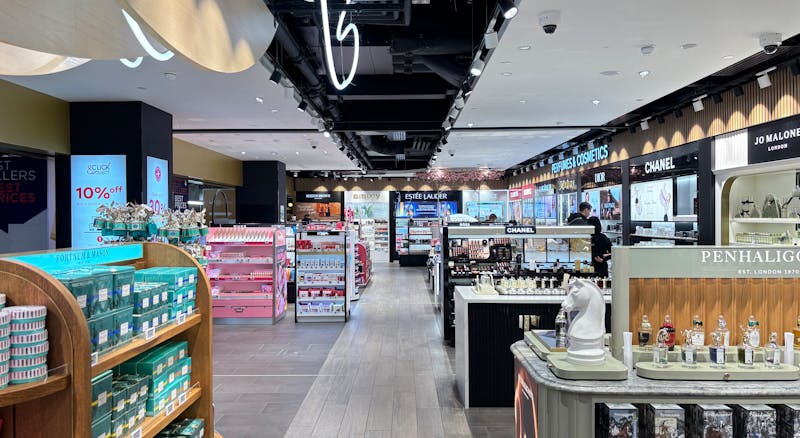
Physical stores still matter because they do more than ring up sales at the register. They reduce friction, handle returns, support pickup, create local visibility, and let customers browse categories that do not always work as well online.
A store can be profitable on its own while also improving the productivity of the broader retail platform. A customer may discover a product in-store, reorder online, return an item locally, or use pickup because it is faster than waiting at home. In that sense, the store is not competing with digital. It is a productive node in the same retail engine.
That comparison matters in real estate. If the right store supports both local sales and omnichannel convenience, then the right box in the right trade area becomes more valuable, not less.
Why Expanding Retailers Need The Right Real Estate
Retailer growth creates a simple real estate problem: the retailer may want to open in a market, but the right box may not exist.
Even when a retailer wants the trade area, a few barriers can block the deal:
- High development costs. New construction may require rents the retailer cannot support.
- Limited usable space. The market may not have the right second-generation box available.
- Execution delays. Land control, entitlements, and buildout timing can push a retailer elsewhere.
That makes existing retail inventory more valuable. A second-generation box with the right parking, visibility, access, co-tenancy, and trade-area position can be a real advantage, and that is where the opportunity starts to come into focus.
How Second-Generation Retail Space Creates Opportunity
The right box may not look perfect at first. It may sit in a center that needs work. It may be part of a former mall, a tired power center, or an older open-air center that has been undermanaged.
But if the bones and the basis are right, the asset can solve a retailer’s problem. The building may need a new skin, better access, re-tenanting, or a smarter layout, but the underlying real estate may still be useful.
That is where opportunity can arise. We are shopping center people, not trophy chasers. We look for properties that serve a real market and produce cash flow.
If a growth retailer wants the trade area, the right real estate is usable, and the basis is disciplined, that is a better starting point than many investors realize, especially in HomeTown markets where demand may exist before modern retail space does.
Why HomeTown Retail Markets Can Be Under-Supplied
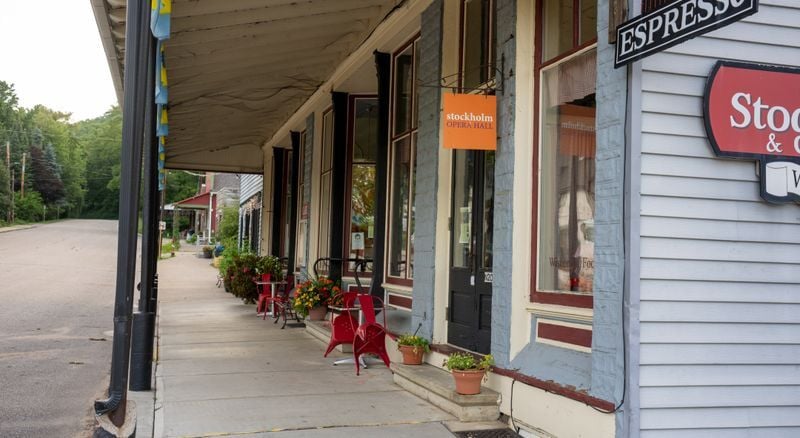
In many HomeTown markets, the issue is not lack of demand. It is lack of modern, usable space.
Retailers may already know the market. They may like the customer base, see peer retailers performing, or have tenant reps saying the town should be on the list. The problem is that the market may not have a clean box in the right size, location, and at the right rent.
The best center may need redevelopment. A former anchor may need to be broken into smaller spaces. A mall may need to stop acting like a mall and become more like useful retail infrastructure for the community: a place that better serves daily needs, provides retailers with a workable box, and offers investors an asset with a clearer path to relevance and cash flow.
That is the work. It is not glamorous, but it is practical. In HomeTown retail, practical demand is often where the opportunity begins.
A market like Scottsbluff helps illustrate the point. The opportunity is not always to create something shiny and new. Sometimes, it is to make an existing retail node more useful for the community and more workable for retailers that already want the trade area.
What Uptown Scottsbluff Shows About Retailer Demand
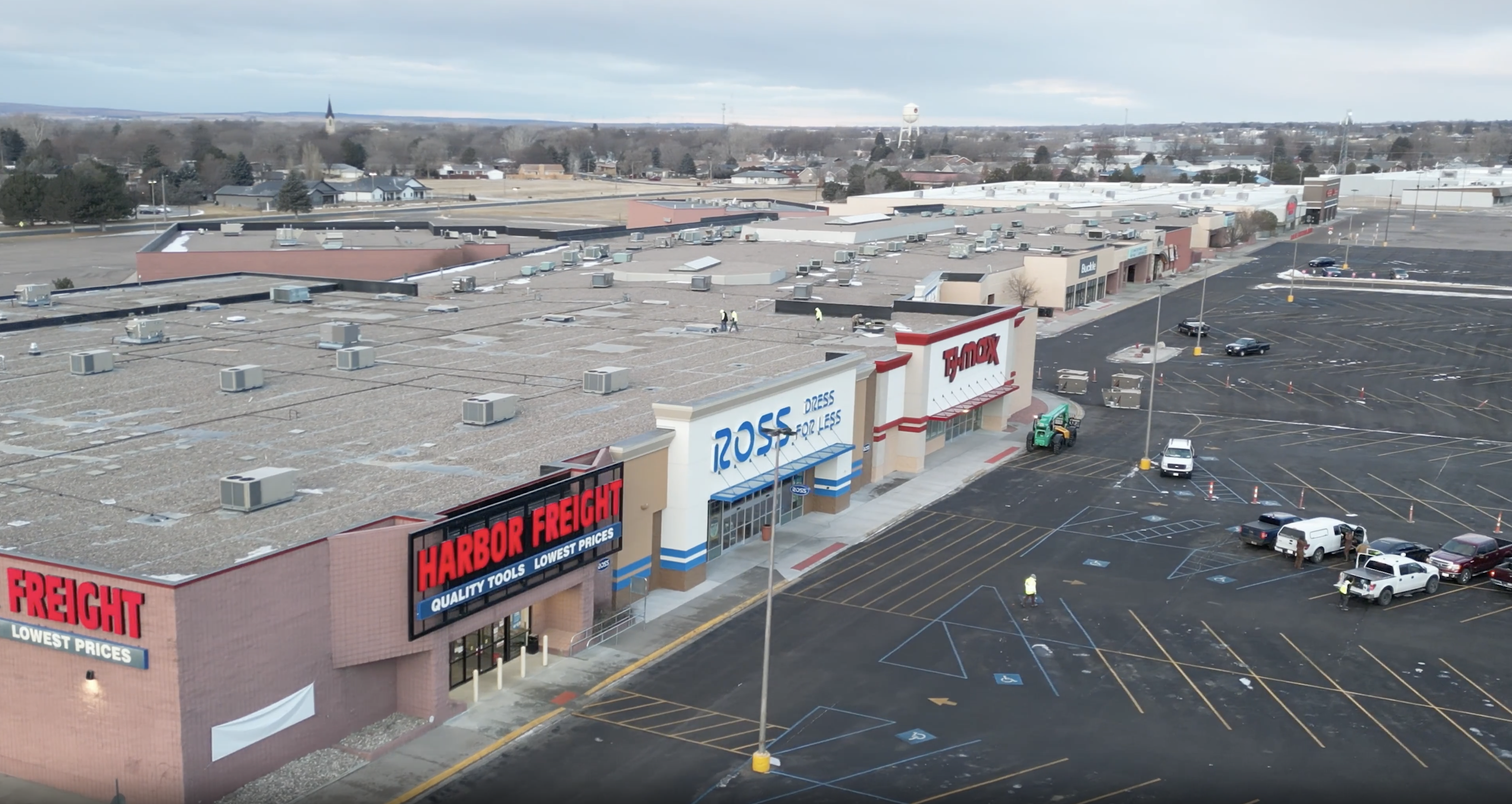
Uptown Scottsbluff is a useful example. The asset did not need to become a trophy enclosed mall. It needed to become a stronger retail node for the community, making it more useful for everyday shopping trips and more viable for retailers serving the local trade area.
A tenant lineup with retailers like TJ Maxx, Five Below, Harbor Freight, Hobby Lobby, and Ross tells us something about demand. They are not there because the market looks good in a boardroom. They are there because the store economics can work.
That is the kind of signal the RockStep team cares about. Retailers opening in a HomeTown market can reveal what population numbers alone may miss: the market has customers worth serving, and the right real estate can help retailers reach them.
The next question is whether capital markets are seeing the same thing or still relying on old assumptions about smaller markets.
How Retailer Expansion Signals Reveal What Capital Markets May Miss
Sometimes retailers understand a HomeTown market before capital does. That is not surprising. Retailers are closer to the customer.
They study sales transfers, household patterns, store spacing, traffic, competitor locations, and category demand. They may know that a smaller market has more pull than the population number suggests.
Capital often reacts later, and that timing gap can be useful. If investors dismiss a market as unfamiliar, but retailers validate it through interest in expansion, the real estate may be mispriced. Not always, but often enough to matter.
Think of retailer demand as a trail of breadcrumbs. One store opening does not prove the whole thesis, but a pattern of retailer interest can point us toward where demand may be forming before the broader capital markets notice.
What We Look For In Retailer Growth Patterns
Our job is to separate real retailer demand from wishful thinking. That means studying a few core signals:
- Store patterns: where the retailer already operates and where peer retailers cluster.
- Trade-area demand: where customers are likely to come from, including surrounding towns.
- Real estate economics: whether rent, buildout, and tenant conversations support the deal.
That is why the 12-in-8 work matters internally. It is our process for tracking 12 growth retailers across 8 markets, providing the RockStep team with a disciplined way to identify where expansion opportunities may emerge across our footprint.

Why Retailer Demand Does Not Fix A Bad Basis
There is a trap here. Once investors hear that a retailer is growing, they can get too excited. Retailer interest is a signal. It is not a blank check. Before we let retailer demand carry too much weight, the RockStep team still has to ask:
Does the basis work? A growing retailer does not fix an overpriced acquisition.
Can the tenant afford the rent? Demand only matters if the economics work on both sides.
Does the center have a path to relevance? One strong tenant cannot always carry a weak asset.
We like retailer demand because it makes the return path more visible. But visible does not mean automatic.
When Store Expansion Is Not Enough
That is where underwriting discipline matters. If the retailer wants the market but the box costs too much to build, we pass. If co-tenancy is weak, and the center has no path to relevance, we pass. If the rent needed to justify the basis exceeds what the retailer can support, we pass.
Growth retailers are a starting point for judgment, not a substitute for it. A retailer opening stores can signal demand, but the real estate still has to be bought, improved, leased, financed, and operated in a way that makes sense.
For investors, that is the heart of the lesson. Store growth is a helpful signal, but disciplined underwriting is what turns that signal into an investment thesis.
Why This Matters For Real Estate Investors
For new investors, the lesson is simple: physical retail did not disappear. It became more selective.
Retailers still opening stores in 2026 signal demand to investors, but that demand is only the signal. Disciplined underwriting is decisive. The better lesson is to study where these retailers want to go, why, and whether the existing real estate can support their model.
This matters in HomeTown retail because smaller markets can have strong retailer demand but limited usable space, which can make the best opportunities hard to replicate. When that happens, a repositioned center, a second-generation box, or a former mall redevelopment can solve a problem for both the retailer and the community.
The opportunity is not simply finding a growing retailer. It is finding the intersection where retailer demand, market need, useful real estate, and disciplined basis all meet.
How To Evaluate Growth Retailers In HomeTown Markets
The real story in 2026 is not that every store is healthy. It is that the right stores still matter, and the right real estate for those stores is harder to create than many investors think.
That is why the RockStep team is interested in HomeTown Retail. We are looking for markets where retailers want to grow, customers still use physical stores, communities want productive retail, and existing assets can be bought or repositioned at a basis that makes the math work.
That combination is not flashy. That is fine with us. We like boring cash flow, practical demand, and properties that solve real problems for retailers and communities.
Retailers that are still opening stores are indicating where demand may be heading. The opportunity is to pay attention before the rest of the capital markets do.
Topics: