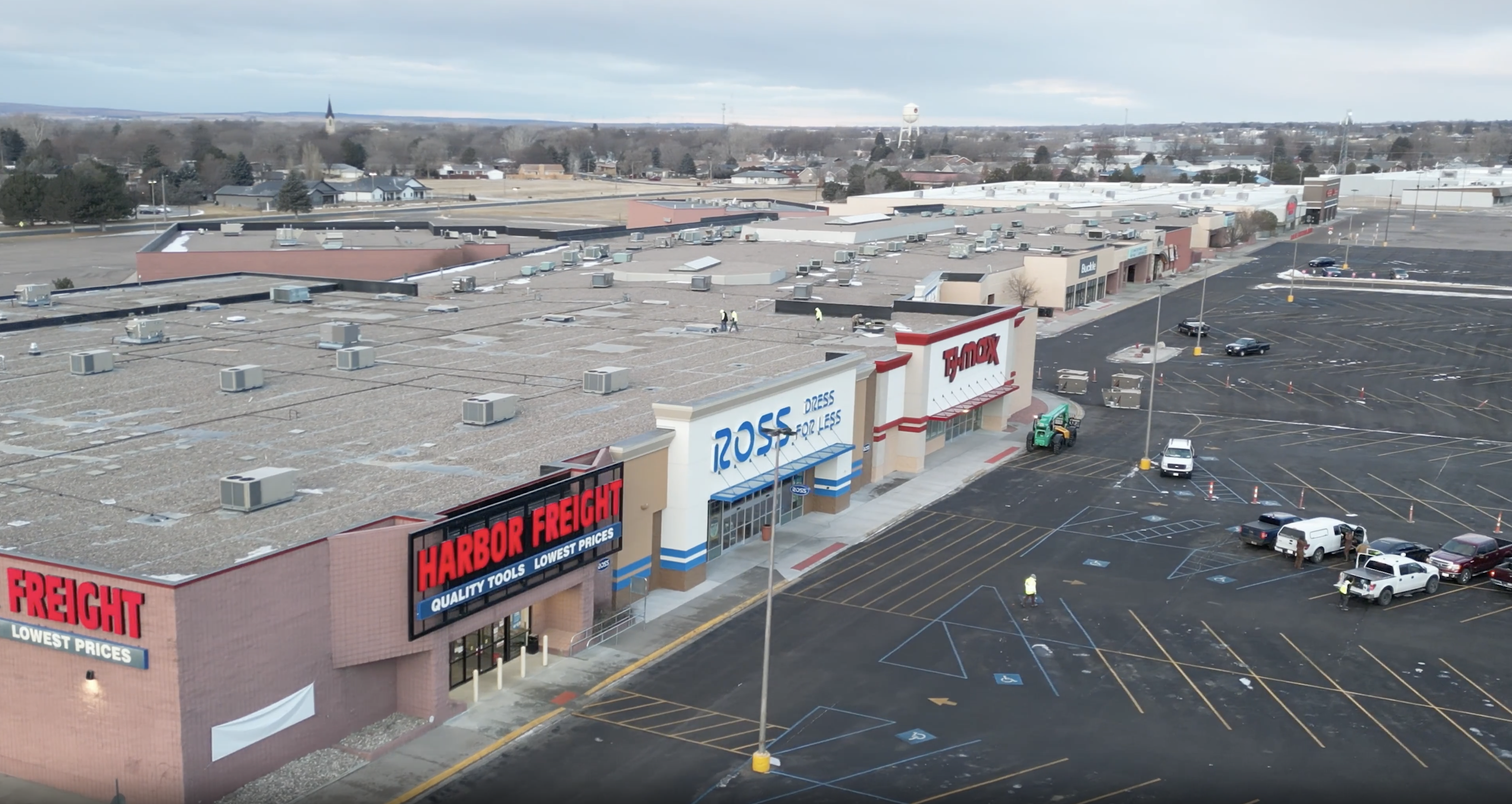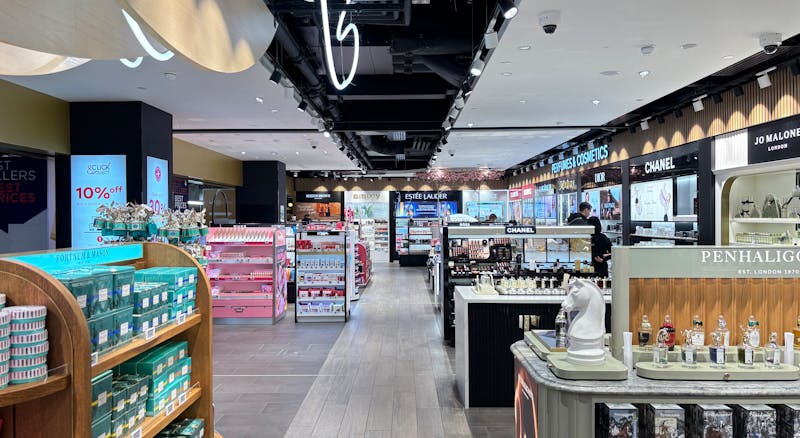


Enclosed malls are not being replaced by e-commerce but are evolving alongside it by focusing on what online cannot deliver, like services, dining, and in-person experiences. While weaker malls struggle, those that adapt their tenant mix and reposition as community hubs continue to attract steady traffic and remain relevant. For investors, the opportunity lies in identifying malls that align with how people actually shop today, not outdated assumptions about retail decline.
E-commerce has changed retail, but not in the way most people think.
At RockStep Capital, we hear this question from nearly every prospective investor, usually in some version of: "Why would I put money into physical retail when Amazon is eating the world?"
It is a fair question, and the honest answer is more nuanced than either the doomsayers or the cheerleaders want to admit.
Although e-commerce has undeniably transformed retail, it has not replaced it. Some categories have permanently moved online, while others have not, and that difference is where the real story lies. So, let’s examine the actual numbers and, more importantly, what those numbers mean for how retail operates today.
Think of it less like a takeover and more like a reshuffling of the deck.
What E-Commerce Has Won: Which Retail Categories Have Moved Online
Online retail has permanently captured certain product categories. That is not debatable.
Some of the biggest categories that moved online:
- Books (both physical and digital versions)
- Electronics and computer equipment (54% of category sales as of 2024)
- Commoditized goods where brand, size, and spec are known quantities (printer ink, phone chargers, dog food)
- Subscription and click-to-ship household items
These are categories where convenience often outweighs experience. When the product is standardized, choosing online becomes simpler.

We are not going to argue that a mall needs a Borders bookstore to survive. That ship sailed fifteen years ago.
Apparel shopping has also changed a lot, with about 43% of clothing now bought online. That figure would have been hard to imagine in 2010. Credit Amazon, Shein, and the rise of direct-to-consumer brands for making people comfortable buying clothes without trying them on.
These are real losses for traditional retail. We do not minimize them.
What E-Commerce Has Not Won: Why Physical Retail Still Matters
Here is the part that gets less attention. According to the U.S. Census Bureau's quarterly retail e-commerce report, online sales accounted for 16.1% of total U.S. retail sales in 2024, with the first quarter of 2025 coming in at 16.4%.
Read that again.
After three decades of growth, two years of pandemic-accelerated adoption, and hundreds of billions of dollars invested in logistics infrastructure, e-commerce still captures less than one in six retail dollars spent in America.
It is less a story of total takeover and more a story of where online works well, and where it does not.
Why E-Commerce Won’t Fully Replace Physical Retail
Certain categories rely on physical presence in ways that technology cannot replicate. These are not edge cases; they are core to how consumers spend.
1. Services Cannot Be Shipped
A haircut. A dental cleaning. An eye exam. A nail appointment. A tailor fitting a suit. According to ICSC survey data, 51% of U.S. adults reported spending on medical, health, or wellness services at shopping centers. You can’t Amazon Prime a root canal.
2. Dining is Inherently Physical
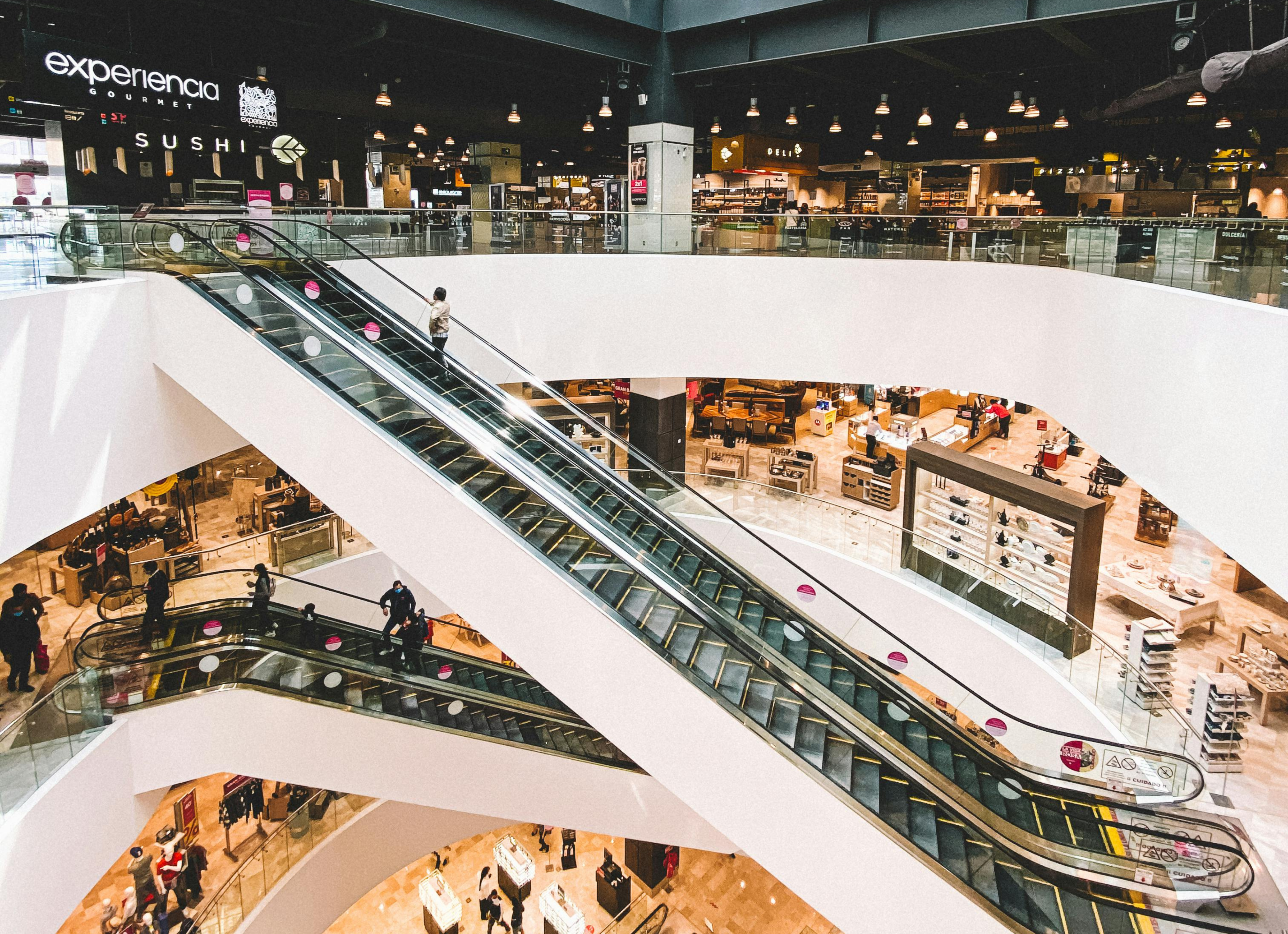
Yes, DoorDash exists. However, delivery makes up only a small part of total restaurant revenue, and it’s fundamentally different from dining in a restaurant with your family. Food and beverage has become one of the most important traffic drivers in enclosed malls. Cushman & Wakefield reported that F&B's share of mall GLA doubled from about 10% in 2006 to nearly 20% by 2018. For top-performing Class A malls, that percentage reached 25%. The trend has only continued since.
3. Entertainment Requires Showing Up
Movie theaters, bowling alleys, trampoline parks, escape rooms, arcade bars, and fitness studios now occupy significant space inside enclosed malls nationwide. You can stream Netflix at home, but you can't take your kids to a trampoline park through a screen.
4. Try-Before-You-Buy Categories Resist Online Conversion
Furniture, mattresses, cosmetics, jewelry, and eyeglasses are high-touch purchases that consumers want to see, feel, sit on, or try on. Warby Parker, Allbirds, and dozens of other "online-first" brands figured this out and opened physical stores. The irony is worth noting: the most successful e-commerce brands are becoming mall tenants.
5. Immediate Gratification Still Matters
When someone needs a gift today, an outfit for tonight, or a phone charger immediately, they head to a store. Same-day delivery has improved, but it still can't match walking into a store and leaving with the item in hand.
Is E-Commerce Slowing Down? Trends Retail Investors Should Watch
The growth rate of e-commerce as a share of total retail has been slowing.
- 2019: 11.0%
- 2020: 13.6%
- 2023: 15.3%
- 2024: 16.1%
- 2025: ~16.4% (Q1)
This is not because online retail is struggling. E-commerce sales grew 5.4% in 2025, according to Census Bureau data. The denominator, total retail, keeps growing too, and the categories still resisting online migration are numerous.
Where Americans Actually Spend Money in Retail
Think about where Americans actually spend their money. Food services and accommodations each account for more than $1 trillion in consumer spending annually. Healthcare services are even larger. Auto dealers and gas stations also account for a significant share. None of these sectors is shifting to Amazon.
The remaining share of retail spending is focused on sectors where physical presence offers a clear advantage, such as grocery, restaurants, personal services, auto, healthcare, home improvement, and experiential retail.
E-commerce will keep growing, but assuming it will reach 50% or 70% of total retail overlooks what retail truly involves.
How Enclosed Malls Are Evolving (and Why They Still Work for Investors)
The enclosed malls that are thriving today look nothing like the ones your parents dragged you through on Saturday afternoons. The tenant mix has fundamentally changed.
Walk through a well-operated enclosed mall in 2026, and you'll find urgent care clinics, co-working spaces, fitness studios, restaurants that could compete on any downtown strip, county government offices, community college satellite campuses, and entertainment concepts that didn't exist ten years ago.
Why Today’s Malls Are Driving Foot Traffic Again
Placer.ai's foot traffic data clearly tells this story. Indoor mall visits jumped 9.7% in March 2024 compared to the same month in 2023. That is not a dead asset class.
At Northridge Fashion Center in Los Angeles, Porto's Bakery and Cafe captured 15.6% of all visits to the complex in 2024, more than some of the traditional department store anchors. A bakery outperforming a department store as a traffic generator says a lot about where malls are headed.
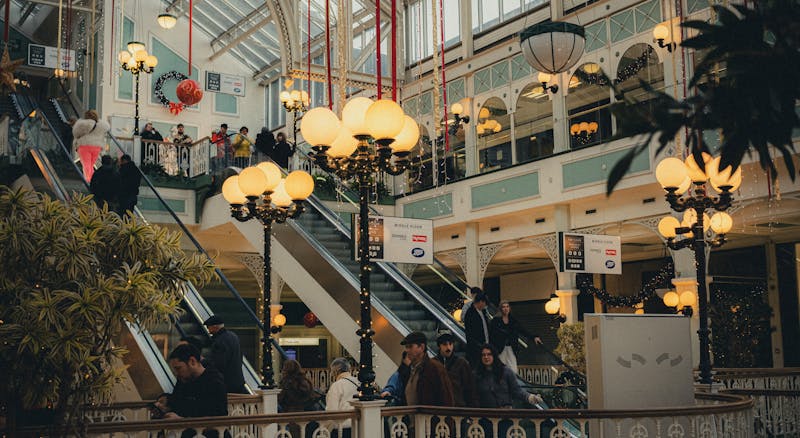
The enclosed mall is becoming a community hub, where people go for a medical appointment, grab lunch, get a haircut, let their kids play, and maybe buy something while they are there. The shopping is often secondary to the visit.

Why This Matters For Investors
We're not claiming that every mall makes a good investment. Many are poorly located, badly managed, or overly dependent on declining anchor tenants. The enclosed mall sector has experienced a significant cleanup over the past decade, with weaker properties closing or being planned for closure.
- Underperforming malls: declining traffic and relevance
- Adapted malls: stable traffic and diversified income streams
But the survivors are a different story. The malls that have adapted their tenant mix, invested in the physical plant, and repositioned as community destinations are generating real foot traffic and real revenue. They are filling space with tenants that Amazon cannot displace.
For investors, the key point is clear. Broad stories can be inaccurate. Retail is not a single category, and performance relies heavily on tenant mix, location, and how well a property reflects current consumer habits.
Malls vs. E-Commerce: What Investors Should Know
We aren't claiming that every mall is a worthwhile investment. Many are not. Some struggle with poor locations, outdated layouts, or overdependence on declining anchors.
However, the malls that have adapted are telling a different story. They are attracting tenants that e-commerce cannot replace and generating steady foot traffic as a result.
The “Amazon kills everything” narrative is easy to repeat at a dinner party. It is harder to defend when you look at what people actually spend money on and where they spend it.
Physical retail is evolving. Enclosed malls that update their tenant mix, invest in their infrastructure, and reposition as community hubs are aligning with consumer behaviors that e-commerce can't match.
In our next piece, we will look at why some of the strongest-performing enclosed malls are not in New York or Los Angeles, but in cities most investors have never heard of.
Topics: