
Note: This podcast is also available on platforms like Apple Podcasts and Spotify.
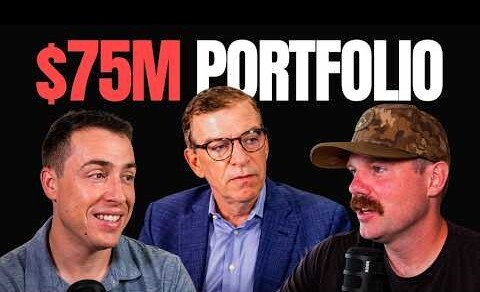
In a recent episode of the Commercial Real Estate Blueprint Podcast, Andy Weiner joined hosts Graham Storey and Jesse Durham for a conversation that explored the principles that have shaped RockStep's growth over nearly three decades. Along the way, he shared why retail real estate has become one of the strongest sectors in commercial real estate and why disciplined cash flow investing continues to outperform trend chasing.
How Andy Weiner Built RockStep Capital Through Retail Real Estate Experience
Long before he became known as the "Shopping Center Guy," Weiner was immersed in the retail business.
His grandfather founded Wiener's Stores, a Houston-based clothing chain that eventually grew to more than 150 locations across the region. Working inside that business gave Weiner a deep understanding of how retailers think, operate, and make decisions.
“My grandfather started a chain of clothing stores here in Houston with our family name, Wiener's Stores, and we ended up with over 150 stores the size of a TJ Maxx, 20,000 square foot, men's, women's, kids, shoes, clothing.
I ran the operations for the company. So I ran store operations, all of the stores. I ran real estate, logistics, finance, HR. Basically, I'm a student of retail. I love retail. I understand retail. Almost 30 years ago, I started investing in shopping centers here in Houston and have been doing that since then.”
When the family business ultimately lost its battle against Walmart and changing retail dynamics, Weiner saw an opportunity to apply his retail knowledge in a new way.
“Because I knew retail and because I knew shopping centers, it was a natural transition to go into shopping center investment.”
Today, RockStep Capital has built or acquired more than 10 million square feet of retail real estate across 11 states. That journey eventually led to a company built around a philosophy of constant adaptation.
The RockStep Philosophy That Drives Adaptability and Long-Term Growth
One of the more memorable moments in the conversation came when Weiner explained the meaning behind the RockStep name.
“Rockstep is not a word that most people know. It's not a word of the dictionary, but if you're a dancer, you would know the word because it is a dance move. When you do swing dancing or ballroom dancing with your partner and you switch directions, you rock step. We use it as a metaphor to be nimble, agile, responsive, to listen to the music in our industry. We've got a problem. We need a rockstep. Or we've got a great opportunity. Guys, let's rockstep.”
Over time, the concept evolved from a company name into a shared language throughout the organization.
“Everyone at our company knows how to use it as a verb.”
That philosophy eventually became formalized into the behavioral framework that defines RockStep's culture.
How the RockSteps Framework Creates a High-Performance Company Culture
According to Weiner, culture is the single most important element inside the company.
To reinforce that culture, he created 26 detailed Rules of Behavior known as the RockSteps.
“I wrote 26 Rules of Behavior, 26 very detailed rules of behavior and we call these rules RockSteps. And we have this ritual that we call the RockStep of the Week. Every week the whole company at 10 o'clock on Monday gets on a Teams call and we talk about the RockStep of the Week. We've done it for 10 years. This is required behavior for everybody at RockStep. We are not perfect, but it's required to build a team, to resolve conflict, to build trust.”
The RockSteps are not simply internal values. They influence how RockStep works with investors, tenants, lenders, and communities. For Andy, culture only works when it translates into specific actions.
Why RockStep Prioritizes Behaviors Over Traditional Core Values
One of the distinctions Weiner emphasized throughout the discussion was the difference between values and behaviors.
“There's a difference between core values and behavior. What I've tried to define are specific behaviors. Be punctual. Bring it every day. Provide solutions. And we talk about the specific behavior of each of these RockSteps.”
Several RockSteps have become personal favorites, like Do The Right Thing, Always, Keep Family First, and Be Punctual. At the same time, Weiner openly discussed the behaviors he continues to work on in himself.
“Listen generously. I am a bad listener. I am impatient. I interrupt. My wife would tell you I'm a terrible listener. Another one of my challenges is the very last RockStep, keep things fun. My wife says, ‘Andy, you take the fun out of fun.’”
Those principles influence not only how RockStep operates internally, but also how the company approaches investing.
Why RockStep Capital Invests in HomeTown Shopping Centers
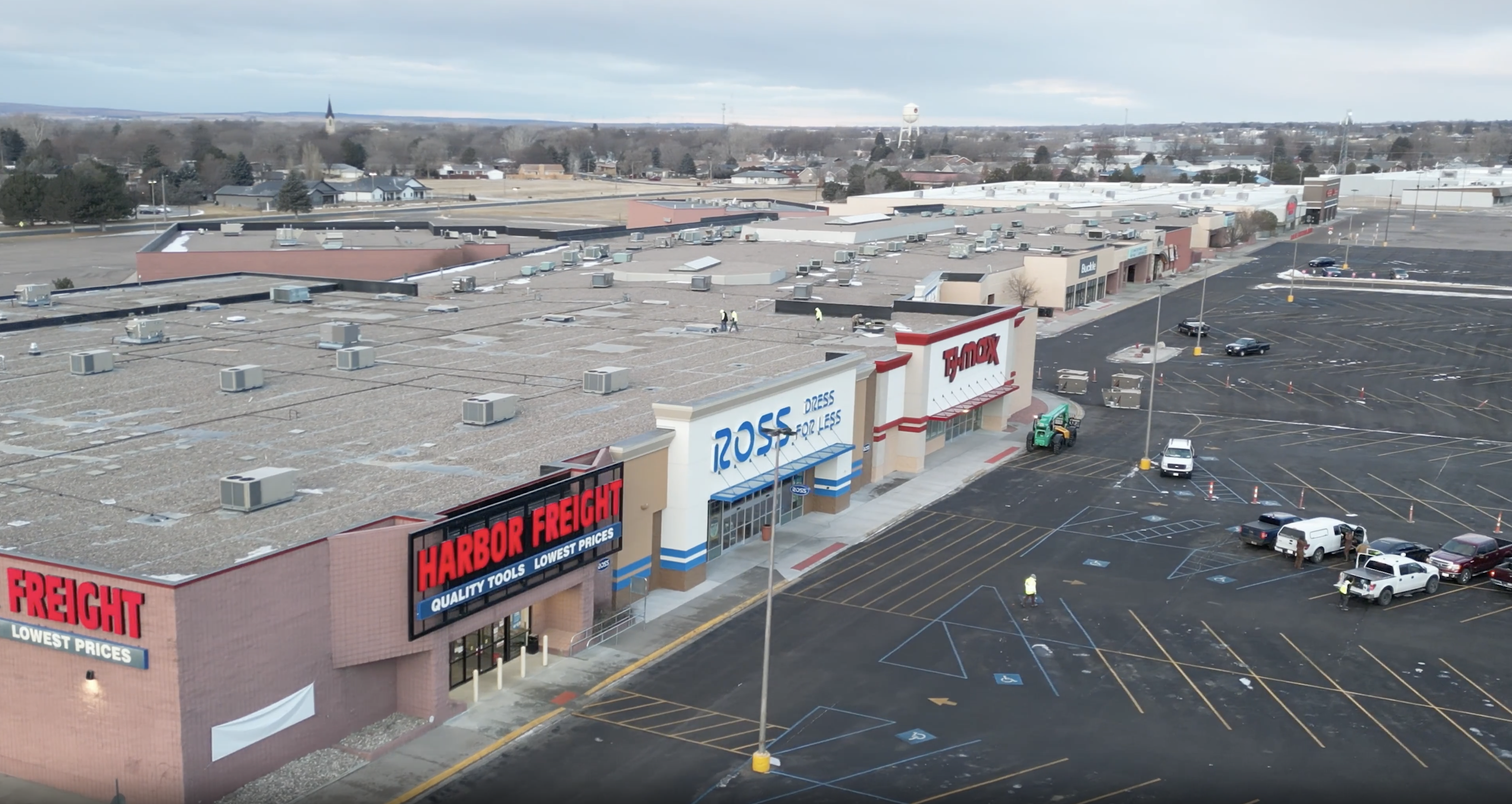
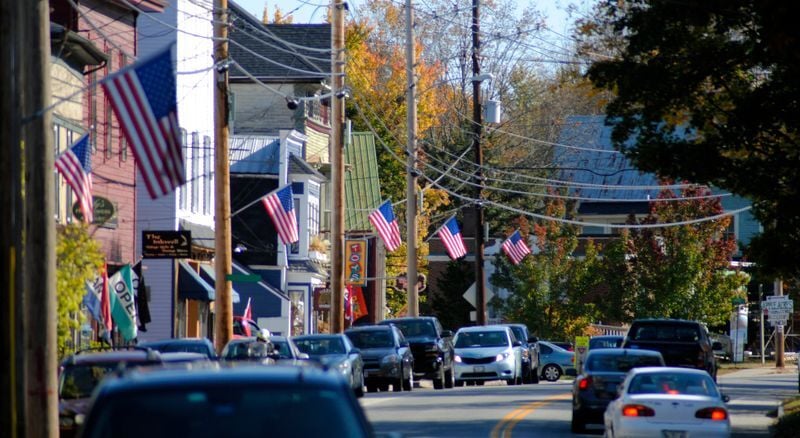
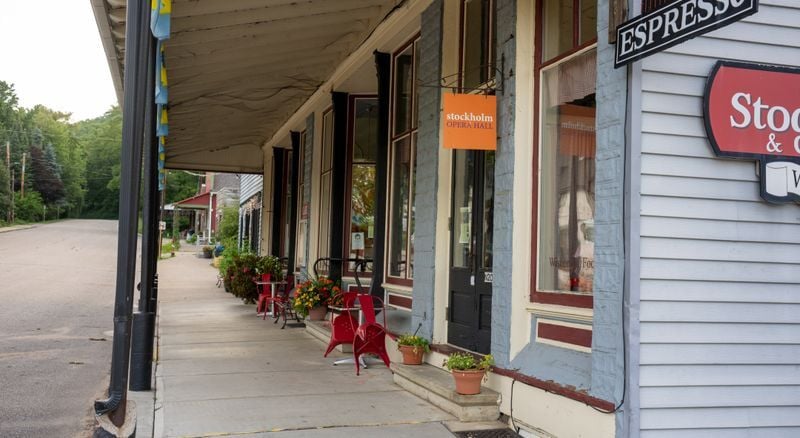
RockStep focuses on what it calls HomeTown markets, communities that are often overlooked by institutional investors but possess strong long-term fundamentals.
“We buy these shopping centers in a defined geography. We call them HomeTowns. These are secondary tertiary markets under a million, above a hundred thousand in population that have some growth driver.”
How RockStep Identifies Attractive HomeTown Investment Markets
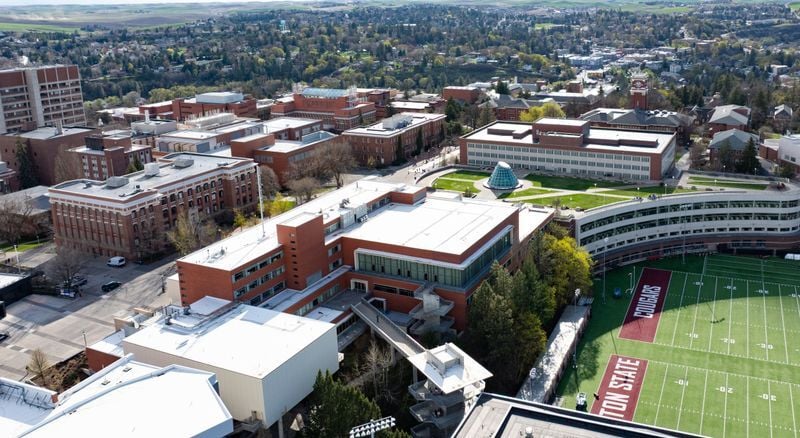
According to Andy, successful HomeTown markets share several common characteristics. Andy refers to these as essential drivers. These are major factors driving population growth in HomeTowns. An essential driver can be a major university, a military base, a growing hospital system, a Fortune 1000 company, or consistent tourism (just to name a few).
“You want a high quality of life, low cost of living, low crime, an engaged civic community.”
For RockStep, identifying these growth drivers helps reduce risk while creating long-term demand for retail real estate.
Why Population Growth Is More Important Than Market Size
While many investors focus on market size, Weiner believes population growth matters more.
Why Universities, Healthcare Systems, and Tourism Drive Long-Term Growth
One trend RockStep closely monitors is migration from larger metropolitan areas to nearby HomeTown communities.
“If you take a look at certain of the big cities, whether it's Houston, Dallas, Nashville, Raleigh-Durham, Charlotte, what you find is that the cost of living has skyrocketed. If you go within a 90-minute drive radius of those markets, you'll find low cost of living, high quality of life communities. You're seeing that growth.”
As affordability challenges continue to push families outward from major cities, RockStep sees attractive opportunities emerging in these secondary and tertiary markets.
Understanding those communities, however, requires more than market research.
Why Local Partnerships Give RockStep a Competitive Advantage
One of the most unique aspects of RockStep's strategy is its commitment to partnering with local business leaders.
“We do something that is different than anybody in the country: we go in when we buy a property and we engage with the business leaders in the market and we get business leaders to be our partner on the deal.”
According to Weiner, local relationships provide insight that cannot be replicated from a corporate office hundreds of miles away.
Why Local Business Leaders Provide Better Market Intelligence
Local partners help RockStep navigate issues that directly affect performance.
“They help with things like incentive, property tax, entitlements, consents, even leasing ideas because they are on the board of the community college or the hospital district or economic development.”
For RockStep, local knowledge becomes a meaningful competitive advantage.
How Local Investors Help Reduce Risk and Improve Performance
The benefits of local partnerships extend beyond market intelligence. Andy explained that local investors often improve financing options and create additional exit opportunities.
“Often our local investors own the local bank or they're on the boards of the local bank. So we get community bank lending that is very accretive and very flexible. And when we sell a property in five or six years, we're opening a new channel for an exit because our local investors often could be the owners.”
This strategy first emerged during the Great Financial Crisis and has become one of RockStep's defining differentiators.
Why Retail Has Become One of the Strongest CRE Sectors
As the discussion shifted toward retail fundamentals, Weiner explained why he believes retail has undergone a dramatic transformation over the last several years.
“Retail was out of fashion till about three or four years ago. Amazon and COVID together killed the weak retailers. But those that survived were able to maintain market share against Amazon and even take market share away from Amazon. Their balance sheets are strong and they're telling Wall Street, ‘We're going to grow.’”
At the same time, supply has remained constrained.
“There's been no new shopping centers being built. So you have all of these companies that are growing into an inventory that until now has not been growing. So it makes existing retail more valuable.”
Those dynamics have helped shift retail from an out-of-favor asset class into one of the strongest sectors in commercial real estate.
Why Positive Leverage Makes Shopping Center Investing Attractive Today
Beyond tenant demand, Andy believes one of retail's biggest advantages is positive leverage.
“Positive leverage is when your cap rate, your yield at acquisition, is higher than your interest rate. So you buy a shopping center at an eight cap and your debt is at six and a quarter. By adding debt, you're improving the cash flow to your equity.”
“In the mall space, you're buying it at 13 to 15 cap and you're borrowing at six and a half. You have a lot of positive leverage.”
“In the multifamily space, they're valued at four to four and a half cap, but your debt today is five or five and a half. That's negative leverage.”
For income-focused investors, Weiner believes this creates a compelling opportunity.

Why Investor Education Is Central to RockStep's Mission
As the conversation wrapped up, Andy highlighted another major priority for the company.
He explained that one of the major goals for the entire RockStep team is to become the country's primary educator on shopping center investing. At the time of this interview, the RockStep Capital Learning Center features over 150 educational articles and a rapidly growing YouTube channel, The Shopping Center Channel, where Andy shares deep dives into relevant and interesting concepts, phenomena, and advice for new and experienced investors alike.
For Weiner, helping investors better understand shopping center real estate is just as important as acquiring properties.
Why Boring Cash Flow Continues to Win
RockStep's strategy is not built around chasing the newest asset class or the latest investment trend.
Instead, it is built around understanding local markets, partnering with community leaders, buying below replacement cost, and investing in properties that generate reliable income.
As Weiner put it near the end of the conversation, RockStep is focused on a simple idea: finding opportunities in strong hometown markets, executing with discipline, and continuing to RockStep whenever the market presents a new challenge or opportunity.
Topics: