

Enclosed malls and open-air shopping centers serve different investment goals, not different levels of quality. Open-air centers generally offer simpler operations, lower capital needs, and more predictable income, while enclosed malls can provide higher yields and greater value creation opportunities through active management. Choosing between them depends on your investment strategy, risk tolerance, and willingness to take a more hands-on approach.
Most investors think they have already chosen the safer option, until they realize what that choice may be costing them.
When investors start looking at retail real estate, one of the first decisions comes down to format: enclosed mall or open-air center.
Over the past decade, the default answer has leaned toward open-air. They usually have simpler operations, lower perceived risk, and fewer negative headlines. That view holds some truth, but it doesn’t tell the full story.
Because when you look beyond perception and into performance, these two formats offer fundamentally different investment profiles. One emphasizes stability and predictability. The other offers a higher yield and the potential for transformation.
This comparison breaks down those differences across the metrics that matter most, so you can decide which approach better fits your investment strategy.
Cap Rates: Enclosed Malls vs. Open-Air Centers
This is where the conversation starts for most passive investors.
According to CBRE's H2 2024 Cap Rate Survey, stabilized open-air neighborhoods and community centers in primary markets traded at cap rates between 6.0% and 7.0%. Class B and C open-air centers in secondary markets ranged from 7.0% to 8.5%, while unanchored strip centers pushed into the 8.0% to 9.0%+ range, based on data from Matthews Real Estate Investment Services.
Enclosed malls tell a different story. Class A malls in top markets (think Short Hills or King of Prussia) still trade at compressed cap rates in the 5.0% to 6.0% range, but these assets rarely come to market.

Examining Yield and Risk Differences
The enclosed malls available to most investors (typically Class B and C properties in secondary and tertiary markets) have been trading at cap rates of 8.5% to 12.0%, with some distressed transactions implying even higher yields.
The takeaway is straightforward: enclosed malls typically offer 150 to 400 basis points of additional yield at entry. That spread reflects real risk but also real return potential.
You can think of it like this:
- Open-air centers: priced like stabilized assets, where most of the story is already written
- Enclosed malls: priced like assets with a second chapter still to be developed
For newer investors, this is often the first real trade-off: certainty versus opportunity.
How Tenant Mix Impacts Stability and Diversification
Tenant Mix in Open-Air Shopping Centers
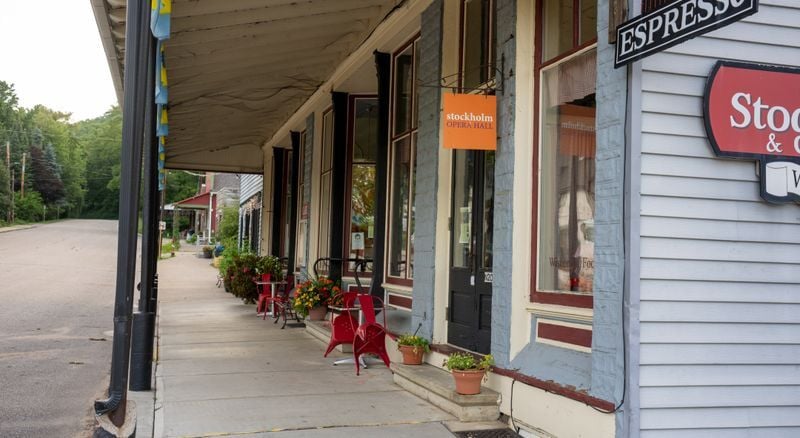
Open-air centers are typically anchored by grocery stores, pharmacies, or discount retailers like TJ Maxx and Ross.
These tenants provide stable traffic and predictable sales, while smaller inline tenants are often service-based businesses with shorter lease terms.
Enclosed malls are designed with a broader tenant mix.
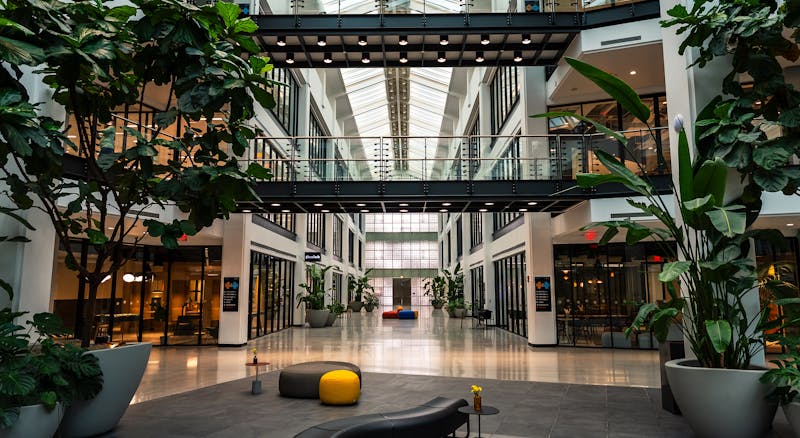
In addition to traditional retail, many now include entertainment, dining, medical users, fitness centers, and non-traditional tenants such as coworking or education providers. Inline leases also tend to be longer and more structured.
Why Enclosed Malls Offer Broader Diversification
This creates a meaningful difference in diversification. A typical open-air center may have 15 to 30 tenants, while an enclosed mall can have 80 to 120 tenants across multiple categories.
In practical terms, that means mall income is spread more like a mutual fund, while an open-air center can behave more like a concentrated portfolio.
- Open-air centers: fewer tenants, greater reliance on anchor performance
- Enclosed malls: broader mix, more distributed income streams
The counterpoint is e-commerce exposure. Grocery-anchored centers are generally more insulated, but mall tenant mixes have evolved significantly.
What It Takes to Operate These Properties Day to Day
The operational gap between these two formats is significant, and it shows up first in day-to-day management.
Open-air centers are simpler to operate. They require fewer systems, less staffing, and lower ongoing oversight. Annual management costs typically range from $2.00 to $3.50 per square foot.
Enclosed malls require a more hands-on approach. Dedicated on-site teams, extensive building systems, and higher maintenance standards drive management costs to $5.00 to $9.00 per square foot.
In simple terms, one is easier to oversee, while the other requires active, on-the-ground execution.
Understanding the Capital Costs Behind Each Format
The difference becomes even more pronounced when you look at capital requirements.
Open-air centers typically require between $0.50 and $1.50 per square foot annually in capital expenditures.
Enclosed malls, by comparison, require $2.00 to $4.00 per square foot, along with periodic large-scale projects that can reach into the millions.
A useful comparison is this: operating an open-air center is closer to maintaining a straightforward property, while an enclosed mall functions more like running a small city under one roof.
Over a ten-year hold, that difference becomes material:
- Open-air centers: approximately $8 to $15 per square foot
- Enclosed malls: approximately $25 to $40 per square foot
How Climate and Geography Influence Retail Performance
Performance between the two formats is shaped not just by the asset itself, but by where it operates.
In colder climates, enclosed malls benefit from climate-controlled environments that support consistent traffic throughout the year. Data from Placer.ai shows that malls in northern markets retain 85% to 90% of peak traffic during winter months.
Where Open-Air Centers Have the Advantage
Open-air centers in those same markets can drop to 60% to 70% of peak traffic. In warmer markets, the dynamic shifts, and open-air centers often perform just as well or better.
You can think of climate as a built-in tailwind or headwind. In some regions, the format itself creates an advantage before operations even begin.
What Foot Traffic and Consumer Behavior Tell Us
The headline numbers are encouraging across the board. Placer.ai reported that indoor mall foot traffic rose 9.7% year-over-year in March 2024, while open-air centers increased 10.1%.
At first glance, those growth rates look similar. But scale matters, and larger malls often see significantly higher increases in total visits.
Why Dwell Time Matters for Tenant Performance
Consumer behavior also differs once visitors arrive.
- Open-air centers: convenience-driven, shorter visits
- Enclosed malls: experience-driven, longer visits
Average dwell time reflects that difference, with enclosed malls seeing visits of 75 to 90 minutes compared to 25 to 40 minutes at open-air centers. One format is designed for efficiency, while the other is designed to keep consumers engaged longer.
How Performance and Exit Strategy Differ Over Time
Over the past five years, open-air centers have delivered steady NOI growth, typically in the 2% to 4% range. Grocery-anchored properties in particular have remained stable.
Enclosed malls have shown a wider range of outcomes, with repositioned assets sometimes achieving stronger growth off a lower base.
Liquidity is another key difference.
Open-air centers benefit from a deep pool of buyers and typically transact within 3 to 6 months. Enclosed malls often require 6 to 18 months to sell due to a more limited buyer universe.
From an investor’s perspective, this is similar to owning a liquid asset versus a more specialized investment: one is easier to exit, while the other may require more patience.
Why This Matters For Real Estate Investors
The difference between enclosed malls and open-air centers all comes down to investment approach.
Open-air centers tend to offer stable, predictable income with fewer operational variables. Enclosed malls require a more active strategy, where performance depends on execution as much as the asset itself.
- Open-air centers: consistency and income stability
- Enclosed malls: higher yield with value creation potential
Both can perform well, but they demand different expectations, timelines, and operator expertise. Understanding that distinction is what allows investors to choose a strategy, not just a property.

Choosing Between These Two Powerful Assets
Retail real estate doesn’t operate in absolutes, and neither do these two formats.
Open-air centers continue to deliver consistency and ease of execution, which is exactly what many investors are looking for. Enclosed malls, on the other hand, tend to reward a more hands-on approach, where outcomes are shaped as much by strategy and execution as by the asset itself.
That distinction is what makes this decision less about choosing a “better” format and more about choosing the right fit. The most effective investors understand how each asset behaves, where it performs best, and what it demands in return.
As the retail landscape continues to evolve, those differences will matter even more. The investors who take the time to understand them will be better positioned to identify opportunities others overlook.
Topics: