

Estate planning ensures your real estate investments are protected, properly managed, and transferred without delays, taxes, or legal disputes if something happens to you. Setting up structures like trusts and clearly assigning decision-makers keeps assets out of probate and maintains income for your heirs. A well-executed plan preserves your portfolio, avoids unnecessary complications, and ensures your investments continue working long after you are gone.
Your properties might be earning income today, but could they become a financial mess for your family tomorrow?
You’ve done the work. You invested in the property, joined the partnership, and watched the income start to roll in. But here’s the question too many investors forget to ask: What happens to your interest in that real estate if something happens to you?
Estate planning might not be thrilling like securing a new tenant, but it’s crucial for ensuring a smooth transition and avoiding legal headaches. Whether you own a piece of a retail site or hold equity in a portfolio of shopping centers, your investment should outlast you.
Without a plan, your ownership interest can end up frozen in court, drained by taxes, or placed in the hands of someone who doesn’t understand your vision. Estate planning ensures that your investments continue to work for your family or business partners, even if you're no longer at the helm.
What Is Estate Planning For Property Owners?
Think of estate planning as the strategic roadmap for your legacy. It goes far beyond deciding who gets what. It’s about how your assets are managed, protected, and transferred so they can continue operating without disruption—even if you’re not the sole owner.
Benefits of an Estate Plan For Real Estate Investors
- Direct your assets to the right people without legal delays
- Minimize estate taxes and legal fees
- Keep your real estate out of probate
- Name someone to manage your assets if you’re incapacitated
If you don’t make these decisions in advance, the state will make them for you. Just as with a generic lease template, the default version is unlikely to reflect your specific needs or goals—especially when commercial assets are shared among partners or held in entities like LLCs.
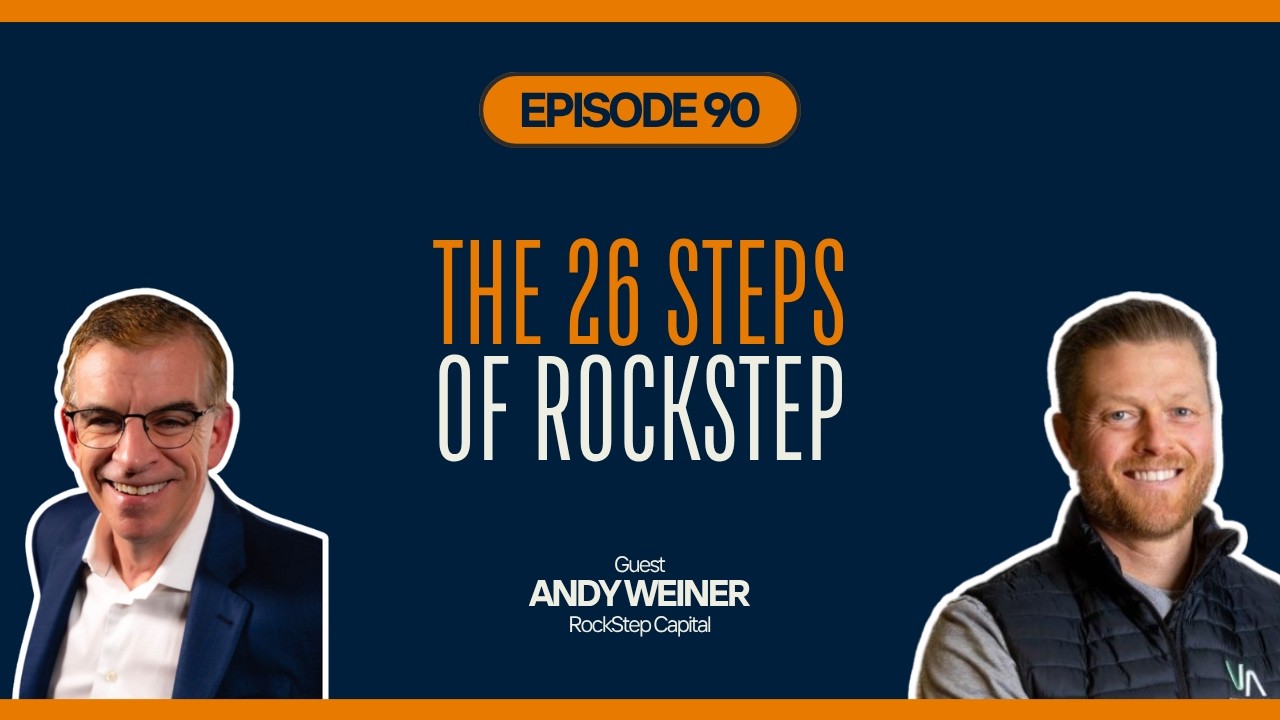
Want to learn more about building passive income and long-term investment strategies? Visit the RockStep Capital Learning Center for beginner-friendly articles and e-books on commercial real estate investing and tax-efficient retirement planning. You can also explore the RockStep Capital YouTube channel for property tours, quick videos, and practical advice from CEO Andy Weiner.
How Probate Impacts Real Estate Assets
Probate is the legal process that kicks in when someone passes away without a trust or with only a will. A probate court determines who inherits the assets, settles debts and taxes, and supervises the distribution of property.
While this may sound structured, probate is anything but efficient.
It is often slow, expensive, and very public. The process can take months or even years to resolve. Meanwhile, your real estate interests may sit in limbo, unable to be transferred, refinanced, or even managed properly by your heirs or co-owners.
Why Probate Can Disrupt Real Estate Operations
Imagine you hold a stake in a retail center that brings in steady income. But after your passing, the property enters probate. Rent goes uncollected, maintenance falls behind, and your heirs cannot make management decisions. The longer the delay, the more value your asset could lose.
This is one of the main reasons many investors work to keep real estate out of probate entirely.

Using a Revolutionary Living Trust to Avoid Probate
A revocable living trust allows you to transfer your real estate assets directly to your chosen beneficiaries without court involvement. You retain full control while alive and can amend or revoke the trust at any time.
Once the trust is in place, your successor trustee can step in immediately after your death or incapacitation to manage and distribute the assets as you intended.
Key Advantages of a Revocable Trust:
- Keeps operations running without legal delays
- Ensures privacy by avoiding public probate records
- Allows for clear, fast decision-making
- Helps your family or business partners avoid unnecessary stress
This structure is especially helpful for investors with multiple properties, minority ownership in LLCs, or interests spread across different states.
How to Combine a Revocable Trust With an LLC
Many commercial real estate investors already use Limited Liability Companies (LLCs) to hold property. LLCs protect your personal assets, simplify partnership structures, and offer tax advantages.
To strengthen your estate plan, consider transferring your LLC ownership interest into your revocable trust. This structure works like a chain of ownership: the LLC holds the real estate, the revocable trust holds your share of the LLC, and you serve as the trust's trustee.
This arrangement allows your successor trustee to manage your portion of the LLC and, by extension, your stake in the property, without court delays.
Example Scenario: You own a 30% interest in a retail center in Colorado through an LLC. Your LLC interest is held inside your revocable trust. When you pass away, your successor trustee takes control of the trust, thereby gaining authority over your share of the LLC. Rent distributions continue, vendor relationships remain intact, and your business partners aren’t left scrambling for legal clarity
How To Choose the Right Trustee For Real Estate Management
Choosing a trustee is a critical part of your estate plan. This person (or entity) will step into your role, manage your real estate assets, and follow the instructions outlined in your trust.
Qualities to Look For in a Trustee:
- Financial literacy and business judgment
- Strong communication and organizational skills
- Ability to remain impartial
- Willingness to take on long-term responsibility
You can choose a family member, a trusted friend, a business partner, or a professional trustee such as a trust company or bank. For larger or more complex real estate portfolios, a professional trustee may be the better choice.
Why Estate Planning Matters for Investors
As an investor, you plan for market shifts, lease renewals, and long-term returns. Estate planning is simply another layer of forward thinking.
Without it, your heirs may face:
- Delays caused by probate
- Tax liabilities from improperly structured ownership
- Difficulty managing properties they don’t have legal access to
- Confusion or conflict over your wishes
With a revocable trust and LLC strategy, you can ensure your real estate investments continue to generate income, your plan is executed, and your family or co-investors are protected from disruption.
Estate Planning Checklist for Commercial Real Estate Investors
Not sure where to begin? Use this simple checklist to get started:
✅ List all real estate holdings and how they’re owned
✅ Determine if properties are held personally or in an LLC
✅ Create a revocable living trust with an estate attorney
✅ Transfer LLC membership interests into the trust
✅ Choose and document your trustee and backup trustee
✅ Share your plan with key family members or business partners
✅ Revisit your plan every few years or after major life changes
Completing these steps early can save your heirs from months of stress and legal confusion later.

Final Thoughts on Protecting Your Real Estate Legacy
Real estate investing is about more than cap rates and cash flow. It's about building something that lasts. Every lease you sign, every project you join, and every equity stake you earn is part of a strategy that can benefit your loved ones long after you're gone.
But even the best portfolios can fall apart without proper planning. Probate delays, tax complications, and unclear ownership can all derail the systems you've spent years building. Estate planning allows you to avoid those risks and create a structure that protects your investments beyond your lifetime.
By setting up a revocable trust, transferring your LLCs into it, and selecting a capable trustee, you create clarity and continuity. Your properties continue to operate, your income continues to flow, and your legacy remains in the right hands.
You’ve already done the hard part, which is building your portfolio. Now it’s time to make sure it lasts.
Topics: