

Asking the right due diligence questions helps uncover risks and validate whether a retail deal truly works before you invest. Focus on three areas: market and demand drivers, tenants and their performance, and the property's physical condition. Strong diligence turns unknowns into clear decisions, helping investors avoid costly surprises and move forward with confidence.
At RockStep Capital, due diligence is where deals are either validated or eliminated. It’s not a step we rush through, and it’s not something I treat lightly. Over time, I’ve learned that most mistakes in retail real estate don’t come from bad math. They come from not fully understanding risk before you commit capital.
When I evaluate a shopping center, I’m not trying to convince myself it works. I’m trying to understand where it can fail. That mindset shapes every part of the RockStep Capital due diligence process.
Start With the Market, Not the Real Estate
I always start in the same place. Before I look at the asset itself, I look at the market. The first question I ask is simple: “Is it the right market?”
From there, it becomes very direct. “Is the population growing or not?” Retail follows people. If people aren’t moving into a trade area, tenants struggle, regardless of how good the real estate looks on paper.
Population growth alone isn’t enough. I also want to understand what’s driving that growth. I ask, “Does it have population growth? Does it have the essential drivers?” At the end of the day, jobs, employers, infrastructure, and long-term stability matter.
Of course, our team at RockStep uses data like everyone else in the industry. You can get historical information and estimates, but numbers don’t tell you everything. That’s why I talk to city officials and local business owners and ask, “What is the mood in the economy? Is it concerning? Is it positive?” Those conversations usually confirm whether a market is actually healthy or just looks good on paper.
Location Is About Competitive Position
Once the market works, the focus naturally shifts to location. But location only matters in context. Retail is competitive by nature.
We also need to dive into the competitive landscape. We ask, “What is the location within the market? Does it have a pole position or a competitive position?” Every center is competing for traffic, visibility, and tenant sales.
When evaluating a location, you can’t think abstractly. You need to compare the asset to everything around it. In practical terms, that means looking closely at the competition through questions like:
- “Who are the competitors and how strong are they?”
- “How much vacancy is there in nearby centers?”
- “What does the street appeal look like from a customer’s point of view?”
- “Does the center look current or outdated?”
Customers notice these things immediately, even if they don’t articulate them.
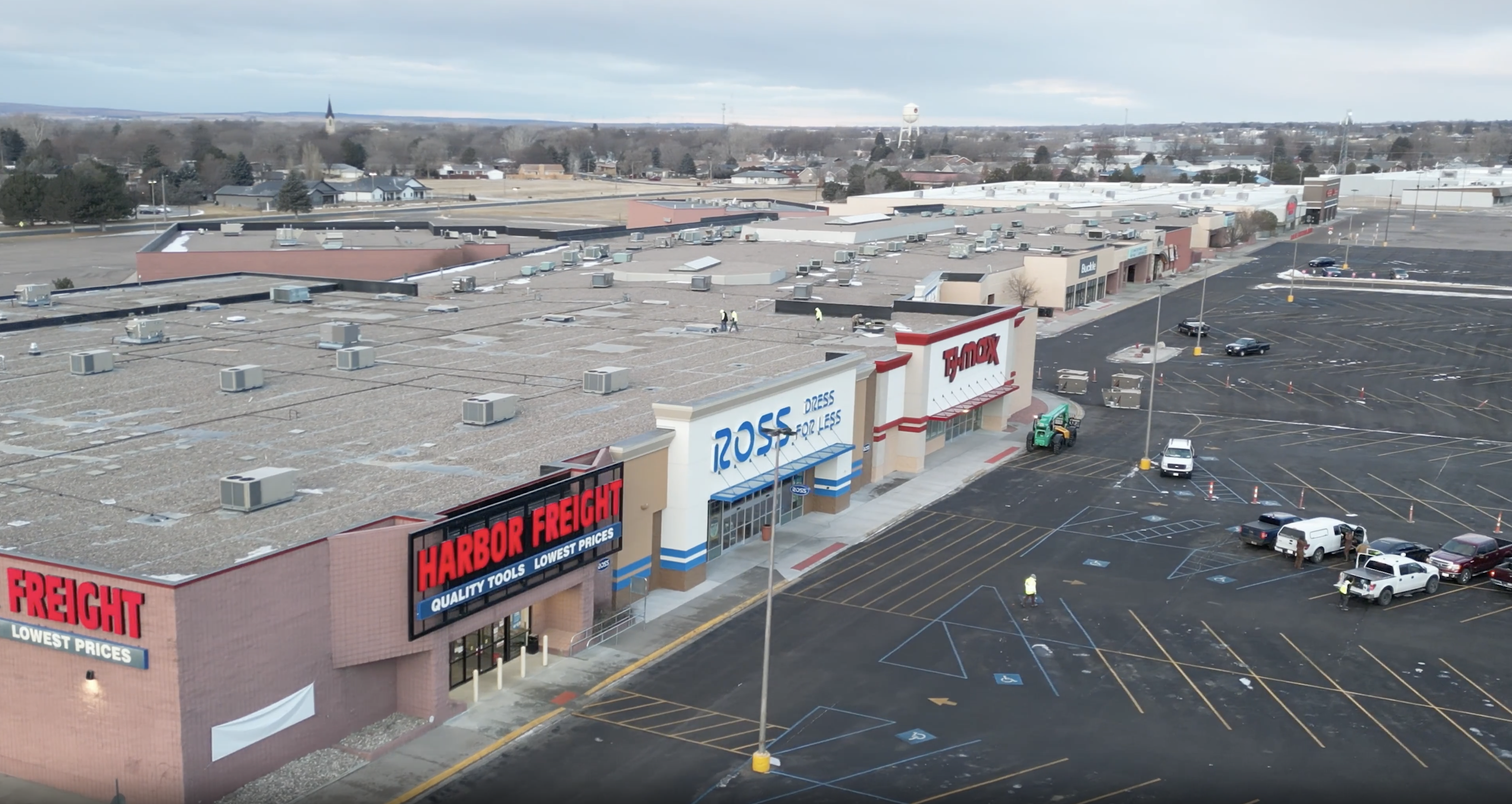
I spend a lot of time looking at the factors driving markets because that’s how you really understand positioning. I’m asking whether the center has better visibility, signage, street appeal, and access than nearby alternatives. If it doesn’t, that disadvantage almost always shows up somewhere else, most often in tenant sales.
Tenants Are the Best Indicator of Risk
If there’s one part of due diligence that’s consistently transparent, it’s the tenants themselves. The tenants reveal more about risk than any other due diligence.
The first thing I focus on is performance. “Are the tenants doing well in sales?” That’s the most important question when evaluating tenant performance. Sales tell you whether the location and tenant mix work, and whether the rent structure is sustainable.
From there, I look at occupancy costs. “How much rent are the majors paying?” Ultimately, you want them to be paying low rent. When tenants are doing well and paying reasonable rent, they will never leave. That kind of stability is incredibly valuable.
But paper diligence only goes so far. That’s why you absolutely interview every tenant. I want them to tell me about the store, how it's doing, and what the trends have been.
Additionally, you should ask about competition, remodels, and how they feel about the location.
I’m also direct about operational issues: Ask direct questions like “Are you having any trouble with crime, with the parking lot, with the roof, with your air conditioning?” While no one is honest 100% of the time, most tenants are truthful about the challenges they face at a property. Those conversations often surface issues that don't appear on a rent roll, but are vital in the due diligence process.
Physical Risk and Capital Exposure
Even great markets and strong tenants can be undermined by physical risk. That’s why I always focus early on whether we will have low capital exposure on the physical part of the asset.
For me, the conversation always starts the same way. The roof is a big one, since it is by far the biggest exposure. If the roof is original, nearing the end of its life, or showing signs of failure, we’re generally hesitant to acquire such properties.
When I’m evaluating physical risk, there are a few items that consistently matter the most:
- The roof, because replacement costs are high and unavoidable
- The parking lot, which impacts both capital expense and customer perception
- HVAC, which affects tenant satisfaction and retention
- Structural issues, especially cracking or site conditions
On the structural side, I’m very direct. If it’s on a fault line, if you see major cracks, you’ll do a study. Sometimes those studies confirm manageable risk. Other times, they tell you to walk.
And I always visit the property. There are buyers who never visit a property before or after they own it. RockStep Capital is not one of those. Seeing the asset in person changes how you evaluate everything else.
Seller Motivation Is Part of the Risk Profile
Understanding the seller is part of understanding the deal. I always want to know why a property is being sold.
Often, it’s lender-driven, the borrower defaults, or the fund's life cycle ends. That context matters because it affects pricing expectations and the likelihood that a deal actually closes.

Some sellers are realistic. Others aren’t. Sometimes, they’re just hoping to get their price. I don’t mind losing a deal to another buyer, but I do mind spending a tremendous amount of bandwidth and capital only to have them not transact at all.
Clarity on motivation saves time and avoids frustration.
Lease Structure and Timing Risk
Lease structure is where timing risk lives. The remaining lease term and options tell you exactly where rollover risk lies.
Sales trends matter here, too. If your sales are declining, you have lease rollover risk. That combination creates pressure quickly, especially if multiple tenants roll at the same time.
Co-tenancy exposure also matters. I want to understand how tenants are connected and what rights are triggered if someone leaves. I also look at tenant health beyond the center. I ask, “What’s the strength of your company? Are you growing?” Because the reality is simple: If you don’t grow, you die.
Environmental Risk Is Never Assumed Away
Environmental diligence is non-negotiable. Even if a seller provides reports, you’re going to conduct your own environmental study. You should always start with Phase I.
If something is flagged, you implement a process called Phase II, which involves a series of more extensive tests. These issues don’t always kill deals, but they always affect pricing, structure, and risk.
Discipline Still Matters on Returns
At RockStep, we are disciplined about underwriting. I want to know whether I can achieve an IRR in the mid- to high-teens with conservative underwriting. That means stable NOI and assumptions that don’t rely on perfection.
I’m also looking for upside.
“Does the asset have under-market rents? And can I get control of a tenant at the end of their term or options, and either bring them to market or replace them with someone at market rents?”
That’s how value gets created responsibly.
The Question That Ties It All Together
When the RockStep team is on-site for the first time, after all the analysis, I ask myself a couple of very simple questions: “Is this a shopping center you want to own?” This leads to follow-up questions like “Is this a market you want to be in? Is this a location that can win?”
Internally, the hardest and most useful question is always the same: “What could go wrong?”
Because due diligence isn’t about proving a deal works. It’s about understanding risk clearly enough to decide whether it’s worth taking.
Topics: