
Note: This episode is also available on platforms like Apple Podcasts and Spotify.
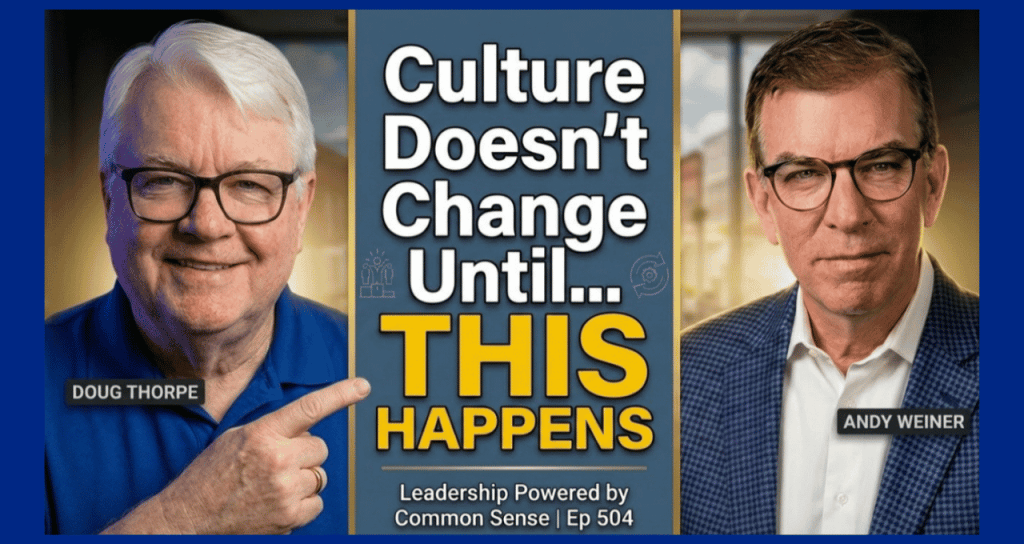
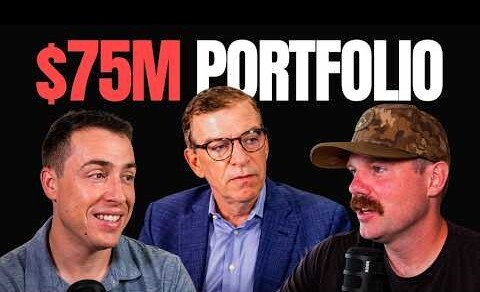
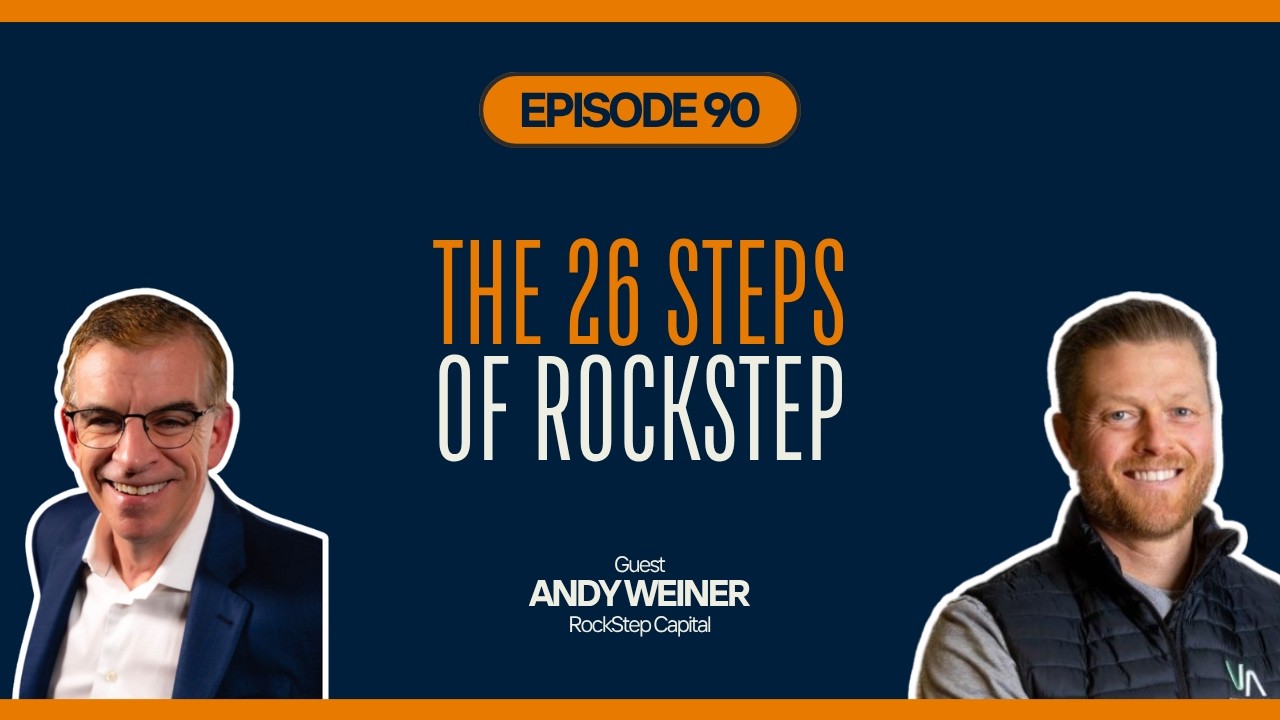
On The Wealth Flow, Andy joined host Keith Borie to discuss how his retail background shaped RockStep’s HomeTown strategy. They explored local partnerships, enclosed mall economics, conservative underwriting, and shopping centers’ potential for cash flow and long-term value.
How Andy's Retail Background Shaped RockStep Capital
Andy’s retail roots predate his real estate career. His grandfather founded Weiner’s Stores in Houston in 1924 and grew it into more than 150 clothing stores.
Andy later ran the company’s operations, gaining firsthand experience in retail economics.
“I'm a retailer at heart. I understand retail. I understand what are called store metrics. Store metrics is what kind of investment does a retailer make in opening up a new store? And what is a return on the investment? And how much inventory do they have per foot?
How often does inventory turn? Which types of retailers are safer to invest in or to work with? What's going to happen to the department store sector? What's going to happen to the off-price sector? Which sectors are growing? Which sectors are under stress? And I can speak the language of retail, and that has value.”
When the family business ultimately closed after struggling against Walmart and experiencing other challenges, Andy transitioned into shopping center development.
Ironically, his first projects involved the same retailer that had helped put his family's business out of business.
“We partnered on four development deals in the Houston area with Walmart, the company that put us out of business.”
Those early projects eventually led RockStep into smaller communities, where Andy discovered an investment approach that better suited the company.
Why RockStep Capital Focuses on HomeTown Retail Markets
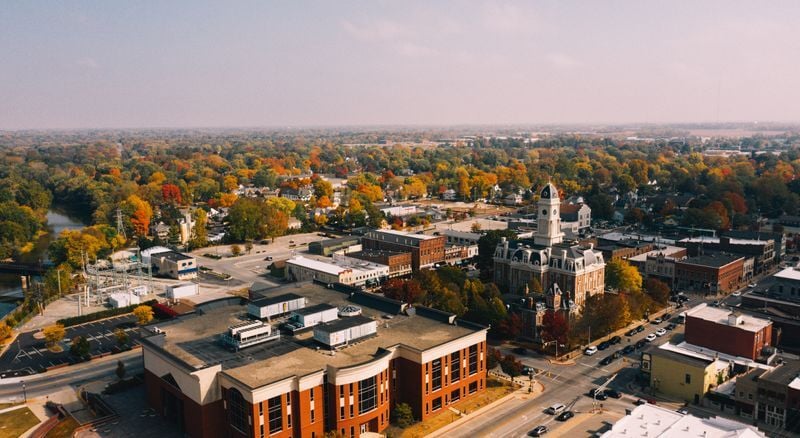
RockStep specializes in secondary and tertiary markets, which the company calls HomeTowns.
These communities typically have 100,000 to one million residents, supported by universities, military bases, tourism, growing hospital districts, or major employers. Some also attract families leaving costly metro areas.
For Andy, understanding the community comes before evaluating the real estate.
“So we look for the right community. Second, you want strong sales. You want an asset that physically has low capital exposure. Good roof, good parking lot. HVAC equipment is in decent shape. And then you want to make sure it's in the right part of town, which means it's in the retail node.”
The strategy is also tied to RockStep’s broader mission of strengthening the communities where it invests.
“Our mission, Keith, in these communities is to make HomeTowns better.”
How Local Business Partnerships Reduce Shopping Center Investment Risk
One of RockStep’s most distinctive strategies is partnering with influential local business leaders when acquiring enclosed malls.
These relationships provide insights that traditional market research cannot always capture.
“We're the outsider, but they know incentive structure, they know property taxes, they can support us getting consents and entitlements, they can even help us on local leasing issues. They're on the board of the community college, they're on the board of the hospital district, they're piped in.”
Those partners also help RockStep access community bank financing and create potential exit opportunities.
Because many local investors have substantial wealth and strong community connections, they may eventually buy the property when RockStep is ready to sell.
“So that's what we do. We lower risk by getting local partners. And I can give you many examples of how that has created value.”
That local knowledge matters most when dealing with distressed enclosed malls, where opportunities often come with significant operational challenges.
Why Distressed Enclosed Malls Can Generate Strong Cash Flow
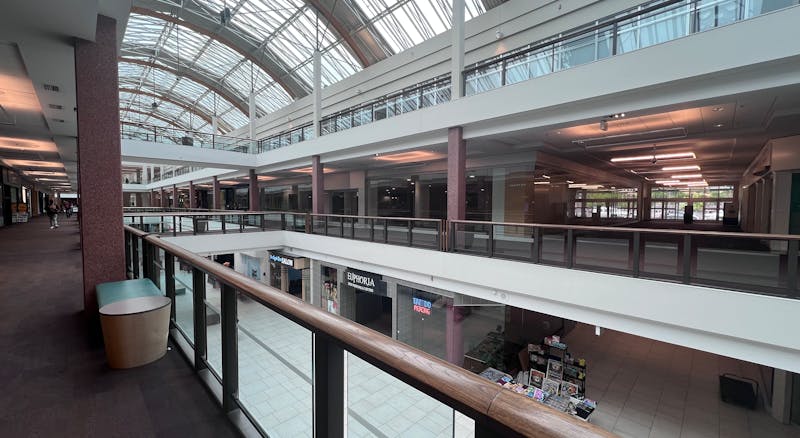
RockStep frequently acquires enclosed malls that have experienced financial distress, often purchasing them at substantially lower valuations than previous owners paid.
The opportunity comes from acquiring existing cash flow at an attractive price.
“In the enclosed mall space, there are 12 or 13 cap to 17 cap. What's interesting about that is that you can get a lot of yield. If you have conviction that net operating income is stable, the big if, but that's what we do. Is it stable or not?”
Rather than relying primarily on appreciation at sale, RockStep seeks properties that can produce meaningful income throughout the investment period. Andy summarized the approach in characteristically straightforward terms:
“We specialize in boring cash, non-sexy assets, non-sexy markets.”
How RockStep Creates Value Through Mall Redevelopment
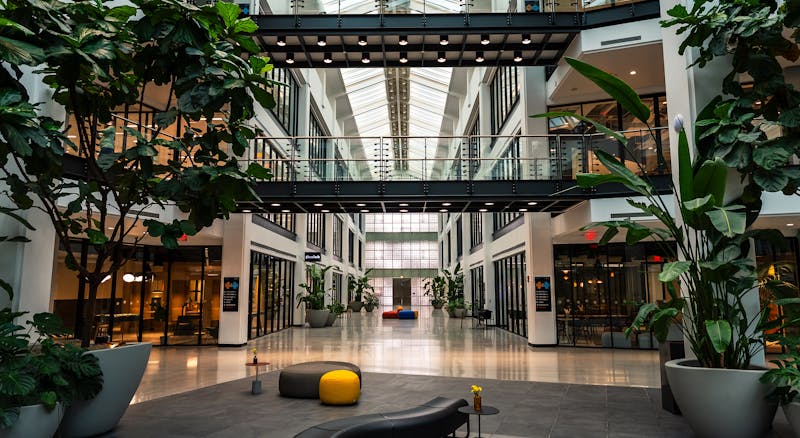
RockStep aims to enhance properties by redeveloping mall wings, adding new retailers, or converting underused spaces into educational facilities, entertainment venues, sports complexes, or multifamily housing.
“Malls are generally very well-located and underutilized. So if you can bring some new tenant or group of tenants there, then you can create additional value for the investors, for the asset, for the community.”
However, redevelopment is rarely as simple as identifying an empty space.
Existing tenants may have contractual approval rights, while co-tenancy provisions can affect rent when anchor stores close. These complications require careful underwriting.
The Value of Conservative Underwriting For Andy
Andy emphasized that RockStep must evaluate an acquisition conservatively, even when attractive redevelopment opportunities exist.
“So when you buy a property and you have to buy properties quickly, you have to have a base case. You should plan as if you cannot execute your game plan.”
That discipline allows potential improvements to represent upside rather than become necessary assumptions for the investment to succeed.
Why Community Bank Financing Matters in Retail Real Estate
Financing is another important part of RockStep’s strategy.
Andy noted that commercial mortgage-backed securities and insurance loans may offer competitive rates but limit flexibility. Debt funds are more flexible but often far costlier.
Community banks can provide a different balance.
For example, when RockStep signs a new lease with a major retailer, a community bank may be willing to provide additional financing for tenant improvements and construction.
Andy calls this good news lending, because the new tenant improves the property's credit quality and ability to service debt.
“A big city bank doesn't have the heart for hometown markets. A community bank has the heart.”
That shared commitment to the community can make local banks particularly valuable partners.
Why Retail Real Estate Has Favorable Supply and Demand Fundamentals
Beyond RockStep’s individual properties, Andy sees broader reasons for optimism about retail real estate.
After disruptions from Amazon and COVID, many surviving retailers strengthened e-commerce and are expanding physical stores, while high construction costs limit new shopping centers.
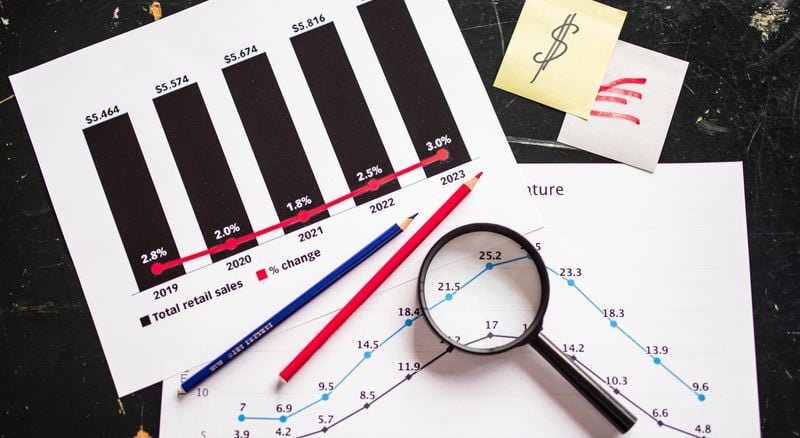
“So you have all of these companies opening up thousands of stores into an inventory that's not growing. Think about multifamily: you have millions of units added every year. Industrial: tens of millions of square feet out every year. Retail: less than 1%.
And you have all these companies coming in, so you have favorable supply demand.”
Andy highlighted positive leverage: when a property’s cap rate exceeds borrowing costs, shopping centers can appeal to income-focused investors.
“Enclosed malls, you're buying it at 13 cap, and you're buying it at six and a half, you have lots of cash, boring cash. So that's why we're, for investors who like cash flow, retail's the place to be today.”
Why Conservative Investing and Diversification Remain Important
Despite his retail optimism, Andy urged defensive investing amid consumer pressures, rising costs, and recession risk, cautioning that favorable conditions may not last.
When Keith asked what advice he would give someone beginning their investment journey, Andy emphasized diversification.
“I think diversification is key. I think that if you're just starting out, I would start out with a fund. Let's say you like a strategy. If you pick one asset in that strategy and that asset doesn't perform, you're going to be upset. If you pick a fund that has multiple assets, one or two of those assets will underperform.
One or two or three will over-perform and the rest should hit target. So a fund is the way to test the strategy.”
He also encouraged investors to explore different real estate sectors, understand their advantages and disadvantages, and evaluate experienced operators before committing capital.
Why Investor Education Is Central to RockStep’s Mission
That emphasis on understanding risk connects directly to RockStep’s educational mission.
The RockStep Capital Learning Center offers over 200 articles on retail real estate fundamentals, complemented by educational videos on the RockStep Shopping Center Channel.
“Our mission at RockStep is to be the country's leading educator for everything dealing with investing and shopping centers.”
Andy wants investors to understand both the opportunities and limitations of retail real estate rather than approach the sector based on outdated assumptions.

Building Long-Term Value Through Discipline and Local Knowledge
Andy emphasized that strong retail investments need more than a good price: resilient communities, reliable cash flow, local relationships, flexible financing, and realistic risk assumptions.
For RockStep, those principles support a strategy centered on overlooked HomeTown markets and shopping centers that can generate income while creating opportunities for improvement.
The goal is not to chase the most exciting investment. It is to understand the risks, remain disciplined, and find value where others may not be looking.
Topics: