
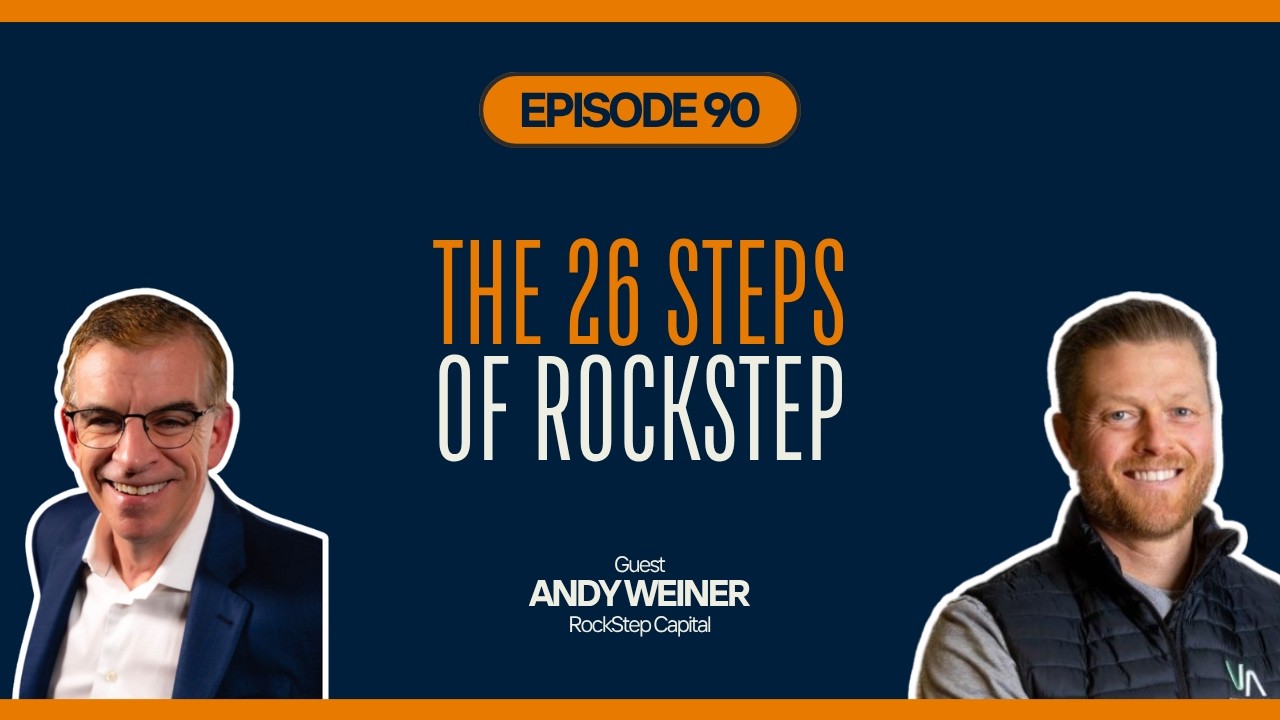
Note: This episode is also available on platforms like Apple Podcasts.
In a recent episode of the Big Hitters Podcast, Andy joined host Andrew Hathaway for a wide-ranging conversation on shopping center investing, distressed mall opportunities, company culture, and why retail real estate has quietly become one of the strongest sectors in commercial real estate.
Throughout the discussion, Weiner shared how RockStep approaches investing in “HomeTown” markets, why the company focuses on cash flow instead of flashy deals, and how the RockStep behavioral framework shapes every part of the organization.
How Andy Weiner Built RockStep Capital
Weiner’s retail background started long before RockStep Capital.
“We are shopping center investors. I've been doing it for 28 years. Built or acquired about 10 million square feet of shopping centers.
Before that, I ran operations for our family chain of clothing stores. We had 159 clothing stores. I grew up in retail, retail operations, and shopping centers. I'm a retailer at heart and I love retail.”
That operating experience shaped RockStep’s focus on shopping centers in what Weiner calls “HomeTown” markets.
The Philosophy and the Meaning Behind the Company Name
The company’s name reflects more than branding. It captures how Weiner thinks about leadership, investing, and adaptation in a constantly evolving retail environment.
The company’s name reflects the mindset behind the business.
“The RockStep is not a word you might've heard of before. It is a dance move. Dancers know what a rockstep is. I like swing music, big band era, Frank Sinatra, Ella Fitzgerald, Sammy Davis Jr. And when you rock step, when you're swing dancing with your partner, you're switching direction.
We use it as a metaphor to be nimble, to be light, to listen to the music in our industry. When we got a problem, okay guys, we need a rock step. When we got an opportunity, we need a rock step.”
That philosophy of adaptability and responsiveness eventually became embedded throughout the organization, especially in the company culture and leadership.

How Behavioral Framework Shapes Company Culture
One of the defining aspects of RockStep Capital is its 26 RockSteps, the behavioral principles written personally by Weiner.
“Every Monday at 10 o'clock, the whole company gets on a call and we talk about this week's RockStep. These are the rules. This is how we build a team. It's how we manage conflict and build trust. To stay at RockStep, you've got to live by these rules.”
The Rocksteps influence hiring, accountability, and leadership throughout the organization.
Why RockStep Capital Invests in Hometown Shopping Center Markets
RockStep focuses heavily on secondary and tertiary markets where local relationships matter.
“We go out and meet the key business owners in the market as part of our due diligence. Sometimes they will say yes, and they'll come in on the deal. We're the only ones in the country that goes and gets strategic local partners who can help us lower risk and improve returns.”
For Weiner, local alignment creates both operational and investment advantages.
Why Shopping Center Real Estate Is Performing Again
A major portion of the discussion focused on why shopping center real estate has strengthened so significantly over the last several years. According to Weiner, the sector has quietly shifted from being overlooked to becoming one of the more attractive yield plays in commercial real estate.
“The shopping center sector was out of favor till about three years ago. Interest rates rose and people who had invested in multifamily and industrial got squeezed.
The shopping center sector is where the yield is. It's the yield play because you've got positive leverage. Your cap rate is higher than your interest rate on debt. You put debt on the property, you improve the return to your investor.”
At the same time, supply constraints have shifted the sector's economics in favor of existing shopping center owners.
“The Amazon effect has matured. Amazon killed the weak players, particularly with COVID. The ones that are left have figured out their own e-commerce strategy.
They're holding if not expanding market share against Amazon.
But there's no new shopping centers. Unlike multifamily and industrial, there's no new shopping centers being built. So if you own second generation shopping centers, the supply demand dynamic is in your favor.”
Understanding RockStep’s Distressed Mall Investment Strategy
One of the more unique parts of RockStep’s approach is its focus on distressed enclosed malls.
“We buy grocery anchored open air centers, non-grocery anchored centers, and enclosed malls. In enclosed malls you can buy extremely cheap. You can buy them at a 15 cap.
A lot of people look at malls and immediately think they’re dead. But many of these properties sit at the best intersection in the market with incredible infrastructure and real estate underneath them.”
According to Weiner, speed and local relationships create a major competitive advantage.
“It’s a three-week cycle. You have to underwrite it, come up with a strategy, and prove you have equity in place. Only three or four people can really play at that speed.
If you do redevelopment with local partners, you don’t have issues with rezoning or incentives. It lowers risk significantly.”
What a Typical Rockstep Shopping Center Deal Looks Like
Weiner described the ideal RockStep acquisition as a combination of strong market fundamentals, attractive pricing, and stable income.
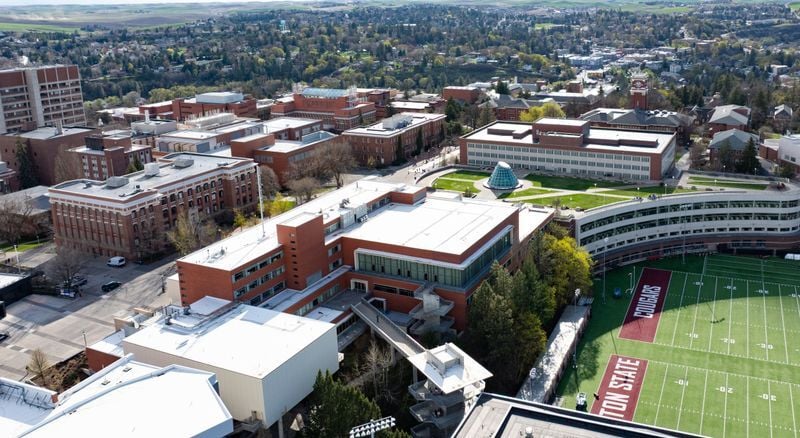
“A typical deal would be in a market of 250,000 with a major university or growing employer. Buying an enclosed mall at the key intersection in the market at a 15 cap with stable income. We focus on cash flow and current yield.”
Why No Brilliant Jerks Matters in RockStep’s Hiring Strategy
The conversation also touched on hiring mistakes and the importance of maintaining behavioral consistency inside a growing organization. For Weiner, culture only works when accountability applies to everyone.
For Weiner, maintaining a strong culture requires consistency, accountability, and shared expectations across the organization.
“We've got a great team. We've got people who live all around the country who operate remote as well as in our Houston office.
The most important thing for our company is the rocksteps. It's who we are. It's how we treat people. It's how we treat investors and communities and tenants.”
Building a Leading Educational Platform for Shopping Center Investing
Education has become a major focus for RockStep Capital.
“Our goal is to be the country's leading educator of shopping center investing. Most investors understand multifamily. Very few really understand shopping centers.”
Weiner believes education is critical as more investors begin looking at retail real estate again.
The Biggest Challenge in Distressed Mall Real Estate Investing
While Weiner sees major opportunities in distressed malls, he also described the operational challenges that come with the strategy.
“The biggest challenge is when you're buying distressed properties, particularly in the mall space, the speed of acquisition.
It's a three-week cycle. From when you learn about an opportunity, you have to put eyeballs on it, underwrite it, come up with a strategy, and prove to the seller that you have your equity in place.
The biggest challenge is how can you structure a team to move at speed and produce quality work?”
That speed creates operational pressure, but it also creates opportunity.
“Only three or four or five people can play at that speed, not 50 or 100 like in a normal process. The result is that you're only competing with three or four people and you can get great deals.”
How RockStep Capital Is Using Artificial Intelligence
Weiner also discussed RockStep’s internal focus on AI and operational efficiency, which has grown in recent years as the accessibility of quality AI tools has increased.
“We have an AI team and we're focusing on process throughout every part of the company. Our goal is to simply make our people more productive as we grow.”

Why Off-Price Retailers Are Driving Shopping Center Growth Today
Toward the end of the conversation, Weiner highlighted off-price retail as one of the strongest trends in shopping centers today.
“TJ Maxx, Marshalls, Ross, Burlington, Nordstrom Rack. These companies have figured out how to manage merchandise and create excitement for consumers. They have a defense against Amazon and it's transforming the shopping center sector. They’ve created a treasure hunt for consumers. Amazon can’t replicate that same experience.”
The RockStep Capital team actively looks for opportunities to bring these retailers into its centers.
Shopping Center Investing and Long-Term Cash Flow
By the end of the conversation, a consistent theme emerged across every topic, from shopping center acquisitions to company culture and investor relations. RockStep’s strategy is built around discipline, adaptability, and long-term cash flow generation rather than chasing trends or short-term excitement.
For Weiner, shopping center investing ultimately comes down to discipline, adaptability, and focusing on long-term cash flow.
“We're not into sexy properties. We like boring cash flow properties.”
That philosophy continues to shape RockStep’s investment strategy, company culture, and long-term vision for shopping center real estate.
Topics: