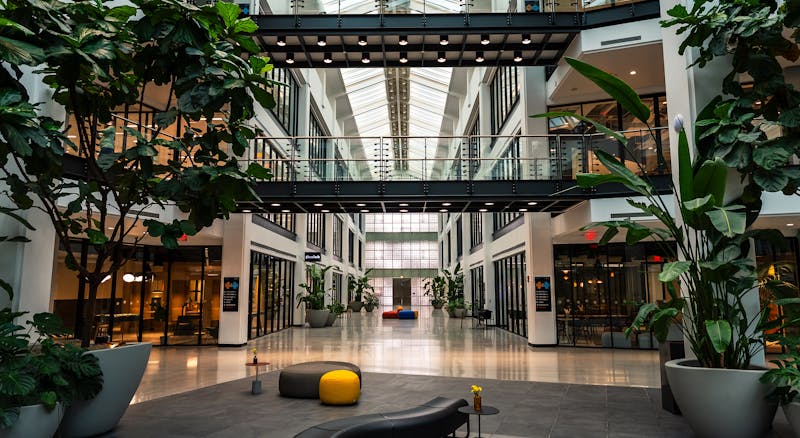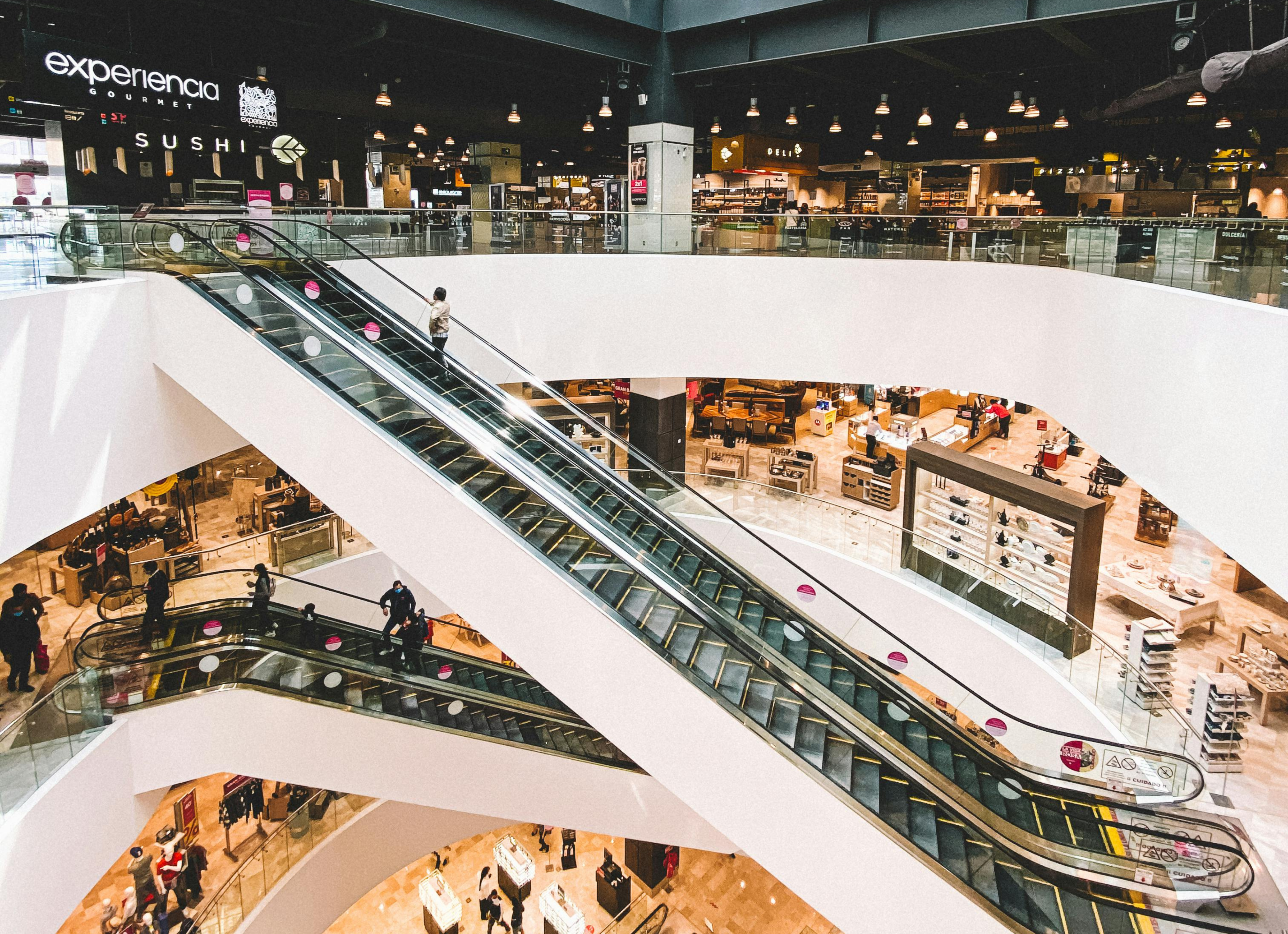


Experiential retail is reshaping enclosed malls by adding entertainment, dining, fitness, healthcare, and other destination-based uses that cannot be replicated online. These tenants increase foot traffic, extend visit times, and support surrounding retailers, helping malls evolve into community hubs rather than traditional shopping destinations. For investors, success depends on evaluating how the entire tenant mix works together to drive long-term performance and value.
The enclosed mall is not disappearing, but it is changing in ways that are easy to overlook if you are only looking at retail.
“Experiential retail” is used so often in industry conversations that it starts to lose meaning. You hear it in pitch decks, conference panels, and leasing discussions, but it is not always clear what people are referring to, or whether it reflects anything real.
For investors, the question is straightforward: is this a meaningful shift in retail real estate, or just a new way to describe malls that are struggling to fill space?
The answer is a bit of both, but that is what makes it worth paying attention to.
Today, what happens inside enclosed malls is less about retail trends and more about how people spend their time. Malls now compete not only with other shopping centers but also with restaurants, streaming, and local entertainment. This subtle shift changes how these properties should be evaluated.
What Is Experiential Retail in Enclosed Malls?
Let’s define it plainly. Experiential retail, in the mall context, refers to tenants whose primary draw is an on-site activity rather than a product you take home.
Common examples include: Bowling alleys, trampoline parks, escape rooms, dine-in movie theaters, fitness centers, medical clinics, coworking spaces, and more.
These tenants share a simple trait: they can't be replaced by e-commerce. You can't stream a bowling league or book a physical exam for delivery. This separation from online rivals is central to their appeal.
Experiential Retail vs Traditional Retail: Key Differences
Another way to view this is through the lens of intent. Traditional retail is transactional, like stopping at a gas station. Experiential retail is planned, like booking dinner or meeting friends, with the visit itself as the goal.
The real question is not whether these tenants belong in malls, but whether they are economically viable and sustainable over the long term.
How Tenant Mix in Enclosed Malls Is Changing (GLA Trends)
Enclosed-mall tenant compositions have shifted significantly. Data from JLL and CBRE show that non-traditional retail (entertainment, fitness, medical, food, services) now accounts for 20-25% of gross leasable area, up from 10-12% five years ago, doubling in half a decade.
Some malls that lost anchors and restructured tenant mix may have 30-40% of GLA in non-traditional uses. Calling them "malls" is a stretch; they're now mixed-use community centers with retail.

This isn't a temporary issue but a structural change. With new retail construction near zero (CBRE reports under 10 million SF nationwide, the lowest in decades), existing enclosed malls are all we have. Landlords are modifying existing properties rather than building new ones.
How Experiential Tenants Increase Mall Foot Traffic and Dwell Time
For investors, the most measurable impact of experiential retail is foot traffic.
Indoor mall traffic rose 9.7% year over year as of March 2024, according to Placer.ai data compiled by GrowthFactor. Malls that added entertainment tenants generally saw stronger recoveries than those relying solely on traditional retail.
A tenant like Round 1 or Dave and Buster’s acts as a magnet, attracting visitors during typically quiet retail hours.
How Experiential Tenants Increase Dwell Time and Spending
The reason comes down to how these tenants influence behavior:
- They generate visits during evenings and weekends
- They increase dwell time, about 60 minutes compared to 45 minutes at open-air centers
- Longer visits tend to increase total spending
Once visitors are on-site, they move through the mall like foot traffic, passing storefronts and creating opportunities for additional purchases.
Malls investing in experiential uses saw a 25% increase in visitor retention from 2020 to 2023, and 75% of U.S. shoppers now visit malls to socialize.
People under 35, especially, treat malls as social destinations, which is the opposite of what the "malls are dead" narrative would predict.
Rent Per Square Foot for Experiential vs Traditional Retail Tenants
Experiential tenants typically pay less per square foot than traditional retail, which is an important trade-off to understand.
- Entertainment tenants: $8 to $18 PSF (triple-net)
- Inline retail: $25 to $55 PSF
At first glance, that gap can seem unfavorable. It can feel like trading a higher-paying tenant for a lower one.
Why Lower Rent Tenants Can Still Increase Property Value
In practice, the economics work more like a wholesale-versus-retail model, where volume and spillover effects make up the difference.
These tenants occupy large spaces, often 50,000 to 80,000 square feet, enabling them to generate meaningful total rent. They also sign longer leases, typically 10 to 15 years, which adds stability.
Just as importantly, they generate traffic that supports higher rents elsewhere in the property.
A simple way to think about it:
- Lower rent per square foot
- Larger footprint
- Indirect value through traffic
Taken together, those factors often result in a net positive outcome.
Best Experiential Tenants for Shopping Center Investments
After understanding economics, evaluate which experiential tenants succeed long-term. Not all traffic-driven concepts become durable businesses, as evidenced by lease stability and occupancy.
More Durable Categories...
Bowling and multi-entertainment venues benefit from diversified revenue streams, which help stabilize performance, much like a restaurant with multiple menu categories.
Fitness tenants drive repeat visits and steady traffic throughout the week, creating a steady rhythm of use.
Medical users offer long-term leases and recurring demand, functioning more like essential services than discretionary retail.
Food halls and strong dining operators can serve as social anchors, giving people a reason to visit even when they are not planning to shop.
Higher-Risk Experiential Tenants in Retail Real Estate
At the same time, some experiential concepts are more reliant on novelty, making them less reliable over a full lease cycle. These tenants may generate strong initial traffic but struggle to sustain it, leading to higher turnover.
For example…
- Dine-in theaters remain viable but require more careful underwriting.
- Trampoline parks often struggle with repeat visits and higher operating costs.
- Escape rooms are smaller and lower risk but tend to have shorter lifespans.
- VR concepts and pop-ups generate early interest but often fade quickly, much like short-lived consumer trends.
A useful filter is whether the concept is tied to routine behavior or novelty. Routine tends to last.

The Cross-Shopping Effect in Retail Real Estate
When consumers visit a mall for entertainment or dining, they often make additional purchases during the same trip. Industry data suggests that 60% to 70% of these visits include at least one retail stop.
How Cross-Shopping Drives Retail Sales in Malls
This creates a simple but important dynamic:
- Entertainment drives the visit
- Dining extends the stay
- Retail captures incremental spending
You can think of this like an airport. Most travelers are there for a flight, but along the way, they buy food, browse stores, and make impulse purchases.
An entertainment tenant plays a similar role by creating the initial reason to visit.
Why Experiential Retail Matters for New Commercial Real Estate Investors
The shift toward experiential tenants is not temporary. It reflects a broader change in how people use physical space and what they expect from it.
How to Evaluate Tenant Mix in Retail Real Estate Investments
For investors, this means evaluating malls differently. It is no longer just about rent per square foot, but about how the tenant mix works together.
A well-positioned mall functions more like a diversified platform than a single-use asset. Each tenant type plays a role, similar to a balanced portfolio.
Understanding how those pieces work together is what separates strong investments from weaker ones.
The Future of Enclosed Malls as Community Hubs
Enclosed malls are not disappearing, but they are becoming something different from what they were originally designed to be. The strongest properties today are those that have broadened their role, giving people more reasons to visit beyond shopping alone.
Experiential tenants are part of that shift but not the whole story. What matters more is how they fit together. A bowling alley, fitness center, and restaurants can seem disconnected or work together to keep people on-site longer and return more often.
From an investor’s perspective, that is where the focus shifts from filling spaces to how the property functions as a whole. Successful malls are those that feel intentional, with each use supporting others and serving a clear role in their trade area.
Topics: