
The best store in town may not just sell the product. It may be the reason the whole retail system works.
For years, investors asked the wrong retail question: will shoppers choose stores or the internet?
That debate missed the point. Customers use both, and the best retailers have built their store strategies around that reality.
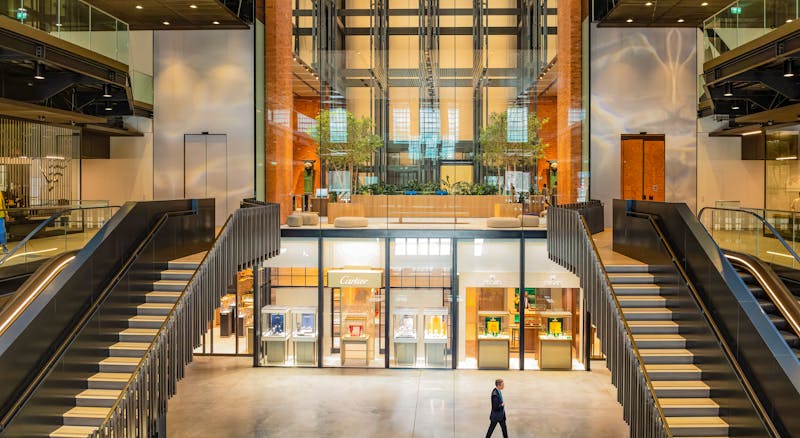
Today, a strong store can be a place to shop, pick up online orders, make returns, compare products, get service, move inventory, and strengthen local brand presence. It is not just a sales floor. It is part of the retailer’s operating system.
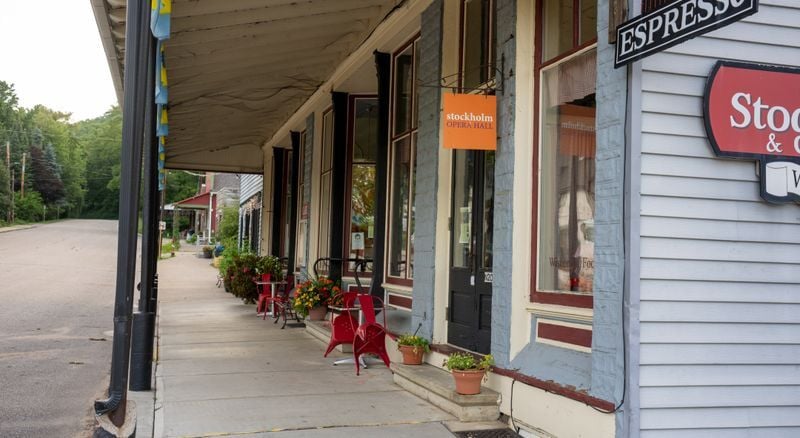
That matters even more in HomeTown markets, where one well-located store can serve a wider trade area and function as part of the local infrastructure. For us at RockStep Capital, that is the point: physical retail is not just a box with rent attached. We look for real estate that is useful.
Why Modern Retail Stores Have More Than One Job
A good store does several jobs at once.
Customers can browse, buy, pick up online orders, return purchases, compare sizes and colors, test quality in person, or get help from category experts. That convenience makes the store useful: the same location builds local visibility, supports online sales, shortens delivery and return cycles, and reinforces the brand as real, accessible, and nearby. That utility can translate into better performance in retail real estate.
That is why many strong retailers still want physical locations. The old idea that online shopping would make stores irrelevant missed how customers actually behave.

How Customers Actually Use Stores And Digital Together
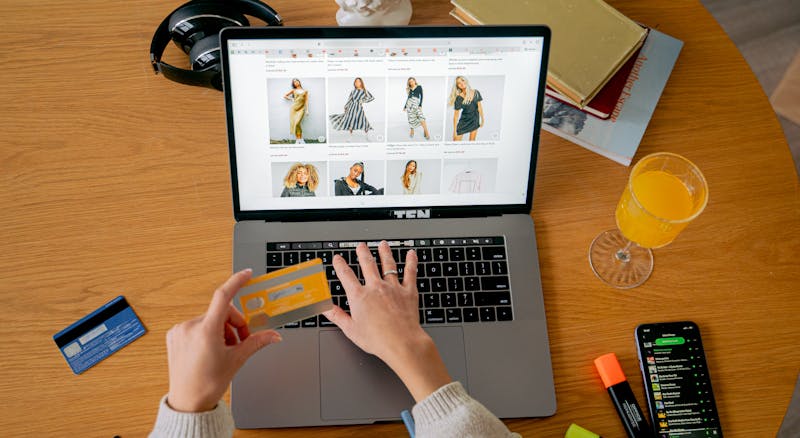
People use both. They research online and buy in person. They buy online and return in person. They visit a store because they need the item today.
Sometimes, they go because the category is simply easier to understand when they can see it, touch it, try it on, or ask a question.
Retailers know this. Investors should too.
How Omnichannel Retail Changed The Value Of Physical Stores
Omnichannel retail is simple: customers care about whether the buying process works, not which channel gets credit.
The store helps make it work.
Think of a strong retail store as a local switchboard for demand. Online orders, in-person visits, returns, service needs, product discovery, and local inventory all connect through the same physical place. That matters even more in HomeTown markets, where one well-located store can serve a wider trade area and carry more weight in how the market works.
That means the real estate is part of the retailer’s operating system. It is more than a rent location. A well-located store can make the retailer easier to reach, trust, and use.
Why HomeTown Markets Need Physical Retail Access
In a major metro, customers may have several retail nodes within a short drive. In a HomeTown market, the best retail node can matter more because there are fewer alternatives, which can strengthen tenant relevance and support asset durability.
If the right store is not in the market, customers may have to drive a long way or rely on delivery for categories that may not work as well online. If the store is in the market, it can draw from a wide area.
That gives physical retail a different kind of importance. Shopping as entertainment is part of it, but access is the bigger issue.
Why Retail Access Matters More In Smaller Trade Areas
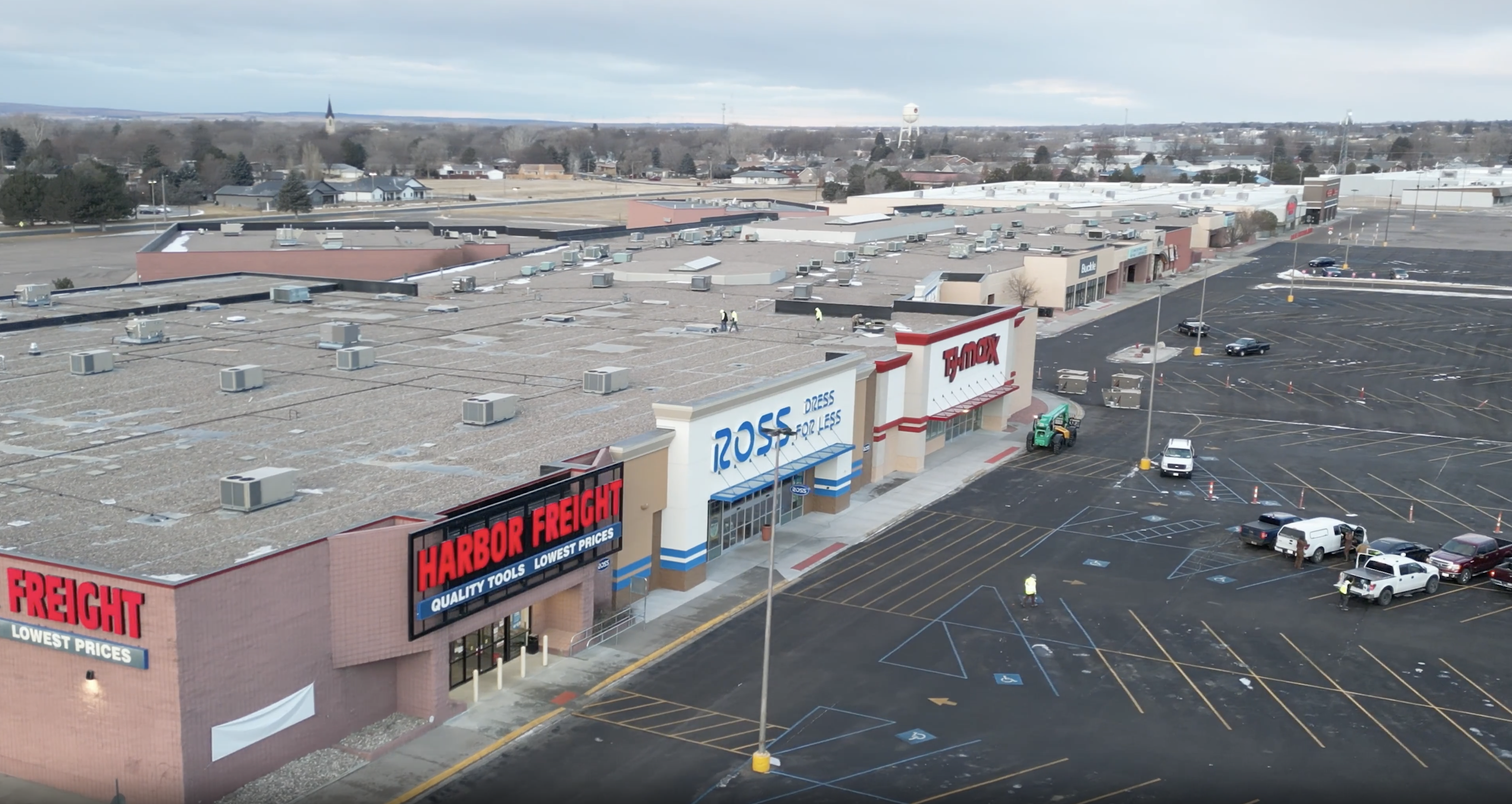
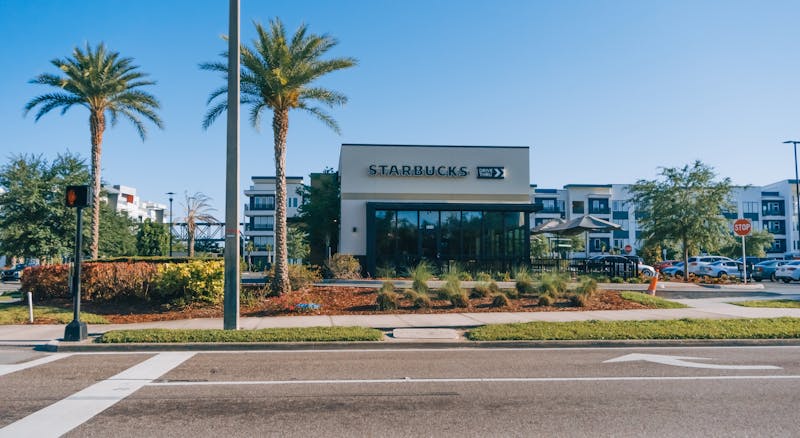
A strong HomeTown center can function as local retail infrastructure, serving families, contractors, parents, athletes, and residents who need basic services without driving to a bigger city, while reinforcing trade-area relevance and durability.
That mix of uses is not just shopping. It is local infrastructure.
When we say a retail asset is useful, this is what we mean. It helps the retailer reach customers and helps the community access goods and services without turning every errand into a long drive.
That local access becomes even more valuable when the same store can handle multiple retail functions at once.
What A Store As A Local Distribution Hub Can Do
For newer investors, it helps to think beyond the old image of a store as only a place where shoppers walk in, buy something, and leave. That still happens, of course. But a strong store can support a larger set of retail functions.
A modern store may serve as:
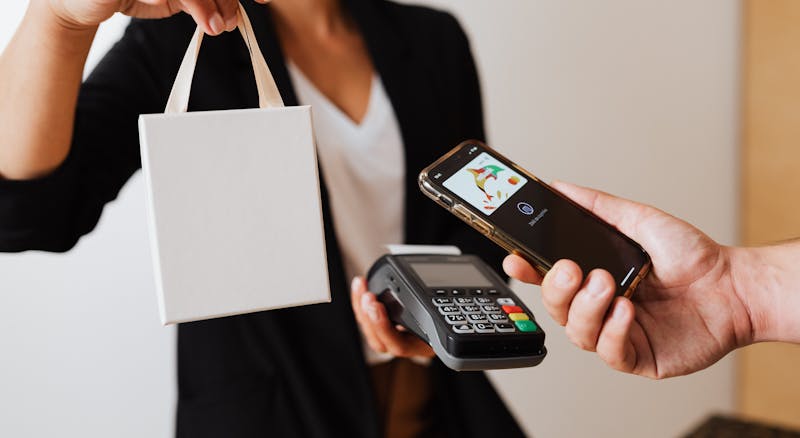
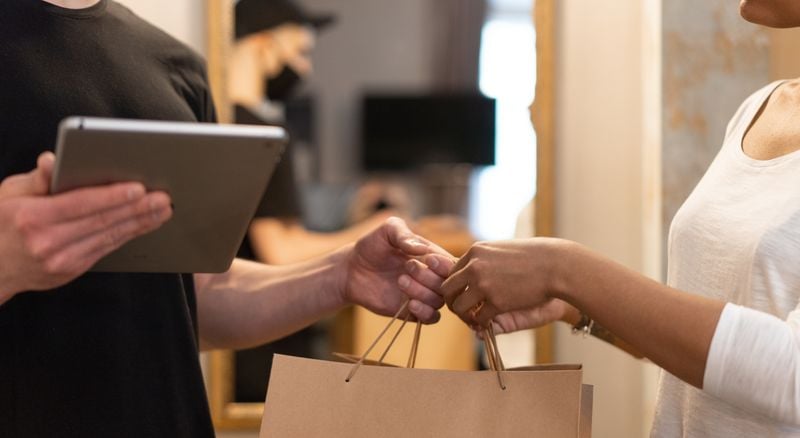
- A pickup point: customers can order online and collect items locally.
- A return center: online purchases can be returned to the store instead of by mail.
- A showroom: customers can compare size, quality, fit, color, and category options in person.
- A service location: some categories need advice, repair, installation, or hands-on support.
- An inventory node: the store can help move product closer to the customer.
- A local marketing tool: a visible store keeps the brand present in the community.
That range of uses changes how we think about retail real estate from an investor’s perspective. The store is a useful operating asset that can strengthen tenant durability, support profitability, and help the retailer serve customers more effectively over time.
Why Good Retail Boxes Matter More In Omnichannel Retail
Omnichannel makes good boxes more valuable, but it does not make every box good.
Retailers are still selective. They care about visibility, access, parking, loading, co-tenancy, signage, traffic, labor, and economics. A bad box is still a bad box, no matter how important stores have become.
What Makes A Retail Box Work For Modern Store Operations
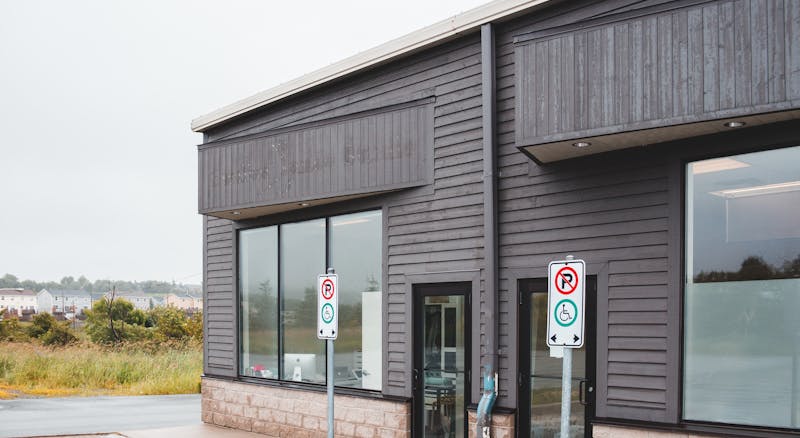
A good box in a HomeTown market can be more valuable than investors assume, especially if it is one of the few locations that can support modern retail needs.
The right box can give the retailer a store, pickup node, return location, showroom, and local brand presence all at once. It can give the community better access to goods and services. It can give investors a clearer path to returns than a generic redevelopment story.
That is the setup we like.
Why Second-Generation Retail Space Supports Store Distribution Hubs
Second-generation space matters here.
If the right shell exists and the basis allows improvements without pushing rents beyond what the retailer can pay, the asset may solve several problems at once. The retailer may enter the market faster. The community may gain better access to retail. The landlord may get a clearer path to leasing and cash flow.
This is especially important in HomeTown markets, where usable space can be scarcer than it seems. There may be plenty of buildings on paper, but far fewer that can meet modern retailer needs.
A second-generation box with the right parking, loading, visibility, and access can become more than reused space. It can become the local node a retailer needs to make the market work.
Why Amazon Did Not Kill The Strongest Retailers
Amazon changed retail. It did not eliminate the need for good physical locations.
The weaker concepts were hurt. Department stores lost influence. Middle-of-the-road retailers without a clear value proposition struggled more. Some mall formats had to be rebuilt completely.
But strong operators found their lane.
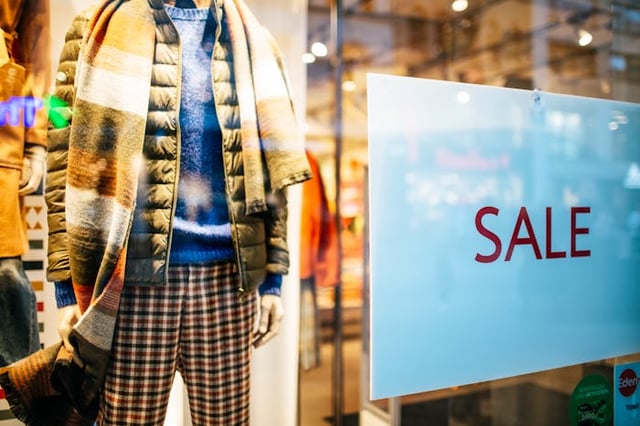
Off-price retailers still draw customers because the treasure-hunt experience is hard to duplicate online. Sporting goods, home improvement, beauty, pets, discount, grocery, service, and restaurant categories all have reasons to stay physical. Even digitally influenced categories often benefit from a local store.
That is why the “retail is dead” line is not useful. Retail changed. The real estate has to change with it. HomeTown Retail is about finding the assets that can still serve the way retailers and customers operate today.
How Store Utility Can Support Retail Real Estate Returns
For investors, the store-as-infrastructure idea matters because it affects the credibility of the income.
A store may support the investment thesis when it helps create:
- More durable tenant relevance: the location plays several roles in the retailer’s system.
- Stronger trade-area importance: the center is one of the best places nearby for that use.
- More local utility: the community needs the access the property provides.
That does not eliminate lease risk. Tenants still close stores. Retailers still make mistakes. Categories still change. A useful location is not a guarantee.
But it gives us a better way to think about durability. The question is bigger than whether people like shopping. The physical location has to solve real problems for customers and retailers.
If it does, the asset may deserve more credit than investors give it.

Why This Matters For Real Estate Investors
For new investors, the key point is that omnichannel store functions make a location more than a place to sell goods. When a store handles pickup, returns, service, inventory movement, and in-person shopping, it becomes more useful to both the retailer and the market. That utility supports tenant durability, strengthens leasing confidence, and can increase real estate value over time.
A grocery store supporting online pickup, in-person shopping, local returns, and immediate replacements is a simple example. A customer may start shopping on a phone, finish in the parking lot, and still rely on the physical store to make the experience work.
That distinction can change how we evaluate a retail asset. A store that supports pickup, returns, service, inventory movement, local visibility, and in-person shopping may be more valuable than one that relies only on walk-in traffic.
This is especially true in HomeTown markets. When a center serves a wider trade area and provides access customers cannot easily replace, the property may function more like local retail infrastructure than a simple shopping destination.
Evaluating Stores As Local Retail Nodes In HomeTown Markets
The future of retail is neither purely digital nor a return to the old mall model. It is more practical than that.
The best stores are local nodes in a broader system. They connect online and offline demand, shorten the distance between retailer and customer, and make returns, pickup, service, discovery, and convenience easier.
In HomeTown markets, that role can be especially powerful. The right store may serve the whole trade area. The right center may become the place where modern retail actually happens in that community.
That is why physical infrastructure matters to us. We are not buying nostalgia; we are buying utility, and in a world where useful retail space is hard to create, utility can be a very good place to look for return.
Topics: