
The deal may look like empty space, but the upside could be waiting at City Hall.
Retail redevelopment is often discussed through a construction lens: cost, timing, rents, tenant demand, debt, and exit value. Those questions matter and should come first.
But in HomeTown retail, the property may also affect sales tax, jobs, shopping access, traffic patterns, and local pride. That means we need to understand whether the city wants the project to succeed, whether state or local incentives can support the project's economics, and whether local leaders are willing to help remove friction when the redevelopment creates real community value.
Those answers do not rescue a weak deal. They can, however, give a workable project better traction, like a solid engine finally getting the grip it needs to move forward.
Why HomeTown Retail Redevelopment Has A Public Side
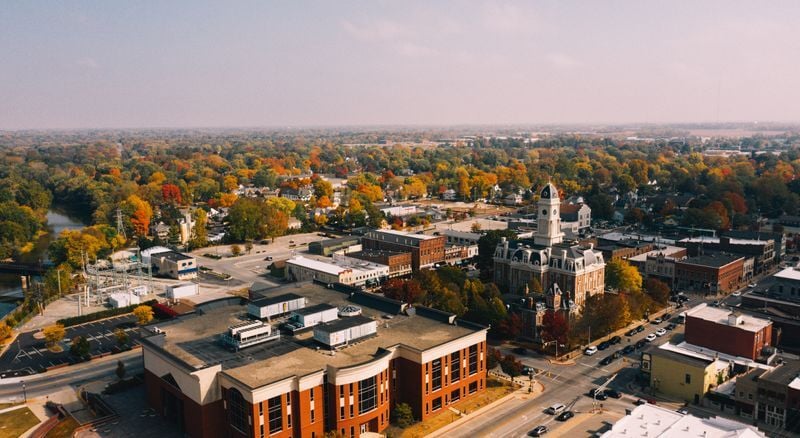
A tired retail center is rarely invisible in a HomeTown market.
People know it, remember what it used to be, and notice when stores close or the parking lot grows quiet. Over time, a once-busy property can start to feel like a reminder that the town is losing something.
How Local Pride Can Shape Retail Redevelopment Projects
When a property comes back to life, it can change how a community feels about its momentum. It can restore shopping options, jobs, tax revenue, restaurant traffic, and the everyday convenience residents may have been missing.
Investors can roll their eyes at that if they want. We would rather understand it.
Local pride can generate real support for a project, and that support may take the form of approvals, incentives, introductions, public patience, or a stronger local narrative as the project moves forward.
Why A Vacant Anchor Store Means More Than Empty Space
A vacant anchor box in a regional mall may appear as square footage in a broker package. To the community, it may be the former store where families shopped for back-to-school clothes, where teenagers held their first jobs, or where weekend traffic once supported nearby restaurants.
Redevelopment has to account for both realities: the financial one and the local one.
Once the team at RockStep understands the public side, the next question becomes more practical. Can public support actually affect the deal's economics?
How State And Local Incentives Can Affect Redevelopment Basis
State and local incentives should never be treated like found money.
They need to be understood, documented, negotiated, and conservatively underwritten. When they are real, though, they can affect the basis for a retail redevelopment project.
How Incentives Can Support Retail Redevelopment Economics
An incentive may help fund infrastructure, support job creation, offset certain public improvements, or improve the economics of a redevelopment that would otherwise be too tight. In a HomeTown market, where every dollar of basis can matter, those tools can make a meaningful difference.
If the community wants a retailer or center established and the project creates measurable public value, there may be tools available that are not present in a passive acquisition.
Why Retail Incentives Should Not Drive The Deal
The aim isn't to pursue incentives. Instead, it's to determine whether public support is integrated into the economic outlook and, if so, to incorporate it thoughtfully into the underwriting process.
Incentives are more like seasoning than the meal itself. They can improve the economics of a project that already makes sense, but they should never be the primary reason to do the deal.
To underwrite that support properly, we need more than a spreadsheet. We need to understand how the community views the property.
Why Local Leaders Can See What Retail Real Estate Spreadsheets Miss
A spreadsheet can tell us about rent, vacancy, capital costs, debt terms, and projected returns, but it cannot always tell us how the city thinks.
A spreadsheet may not show…
- Which intersection people trust
- Which site residents avoid
- Which retailers the community has been asking for
- Which approval issue could become a problem six months later
Local leaders and partners can help fill those gaps, which is one reason we value local relationships in HomeTown markets. The right local insight can reduce risk related to entitlements, taxes, incentives, financing, and community perception, while also helping us avoid mistakes that are hard to spot from a distance.
Why National Market Summaries Are Not Enough For HomeTown Retail
If a property looks good from afar but the community has moved on from that location, we need to know. If a city is eager to help with a former anchor because it affects the entire retail node, we need to know that as well.
Neither fact is obvious from a national market summary.
That local knowledge also helps answer one of the most important redevelopment questions: what should the property become?
What Communities Actually Want From Retail Redevelopment
HomeTown redevelopment works best when the new use is practical. Communities usually do not need a sponsor to bring back the past. They need retail that fits how people live now.
Why Useful Retail Beats Nostalgia In Redevelopment
That may mean off-price apparel, sporting goods, home improvement, hobby, beauty, restaurants, medical, service, entertainment, or discount retail. It may mean breaking up an old anchor box or turning an inward-facing mall into a more useful mix of exterior-facing retail and pads.
The question is simple: what does the community need, and what can retailers actually support?
Uptown Scottsbluff As A HomeTown Retail Redevelopment Example
Uptown Scottsbluff is a good example because the point was usefulness. The asset needed to become a stronger retail node with tenants that fit the market, not a museum of what the property used to be.
That is where redevelopment gets interesting. It can take a property people already know and make it relevant again.
When the use fits the market, public support becomes more than a nice story. It can become part of the execution path.
Where State Incentives, Local Support, And Retail Demand Can Line Up
For investors, public support only matters when it connects to the real economics of the deal.
A city may want the project, a state may offer incentive tools, and residents may want better retail options. But the redevelopment still needs tenant demand, a workable budget, a disciplined approach, and a realistic execution plan.
How Local Support Can Help A Retail Redevelopment Project
When those pieces line up, incentives and local support can help improve the path forward.
In practical terms, that support may help with:
- Infrastructure needs that affect access, utilities, parking, or site readiness.
- Public approvals that can reduce uncertainty when timing matters.
- Economic development goals tied to jobs, sales tax, and community services.
- Retail recruitment by showing tenants that the community wants the project to succeed.
- Local storytelling that helps residents understand why the redevelopment matters.
None of these replace underwriting, and none of them remove the harder part of redevelopment. They can, however, give a good project more tools to work with once the numbers and tenant demand already make sense.
Why Execution Risk Still Comes First In Retail Redevelopment
Local pride does not pour concrete.
Incentives do not guarantee lease-up, and a supportive city does not rescue a weak capital plan. The redevelopment still has to be underwritten as a real project.
Before public support can matter, the project still has to answer the basic execution questions:
-
What is the scope?
-
What is the budget?
-
Who is doing the work?
-
What tenant commitments exist?
-
What rent is realistic?
-
How long does the capital stay at risk?
-
How does the debt behave if timing slips?
Those questions matter even more when a project attracts public attention, because the larger the local story becomes, the more important it is for the numbers to support the promise.
Why Community Support Still Needs Strong Project Economics
The worst outcome is letting a good community story cover up weak economics.
We want the opposite: a project with sound economics and community support that improves execution.
When the numbers work, and community support is genuine, incentives and local pride can help strengthen the return path rather than distract from it.

How Incentives And Local Pride Can Improve Returns
For investors, the reason to care about incentives and local pride is practical. They can improve the credibility of the return path.
If local government wants the redevelopment, incentives help cover specific costs, retailers want the market, the property is central to the trade area, and the basis is disciplined, the investment may have more support than the market label suggests.
That does not eliminate risk, but it can give the sponsor more tools.
Why HomeTown Redevelopment Can Be Different From Major-Market Deals
In many major-market deals, the sponsor may be one of several buyers competing for a familiar asset at a tight yield. The city may not care who owns it, the retailer may have several alternatives, and the basis may be unforgiving from day one.
In the right HomeTown redevelopment, the sponsor may be solving a visible local problem. That can matter.
For new investors, the broader lesson is this: redevelopment risk is not just about the property itself. It is also about the property's role in the local economy.
Why This Matters To Real Estate Investors
For new investors, this matters because redevelopment risk is not only about bricks, leases, and budgets but also about whether the project aligns with the local economy.
A redevelopment that creates jobs, restores sales tax revenue, brings back useful retail, and improves a visible property may require a different support structure than a passive acquisition.
The Best Method For Underwriting Public Support
The main point is to thoroughly evaluate that support. While public enthusiasm is beneficial, it cannot substitute for tenant demand or a solid underlying foundation.
The more relevant question is not if the community approves the idea, but whether the community, the retailer, and the investor each have a reason to support the project's success.
That alignment is the real test for HomeTown retail redevelopment.
The Real Test For HomeTown Retail Redevelopment Economics
The real test is whether the project aligns the community, the retailer, and the investor.
The community desires practical retail options. Retailers aim for profitable stores, and investors seek credible returns. Redevelopment is more likely to succeed when these interests align. If they do not, the story becomes less convincing, regardless of how impressive the renderings appear.
That is why the RockStep Capital team studies state incentives, local pride, and public support as part of its economic analysis. HomeTown retail is local by nature, and if we ignore local economics, we are not truly underwriting the opportunity.
Topics: