
Note: This episode is also available on platforms like Apple Podcasts and Spotify.
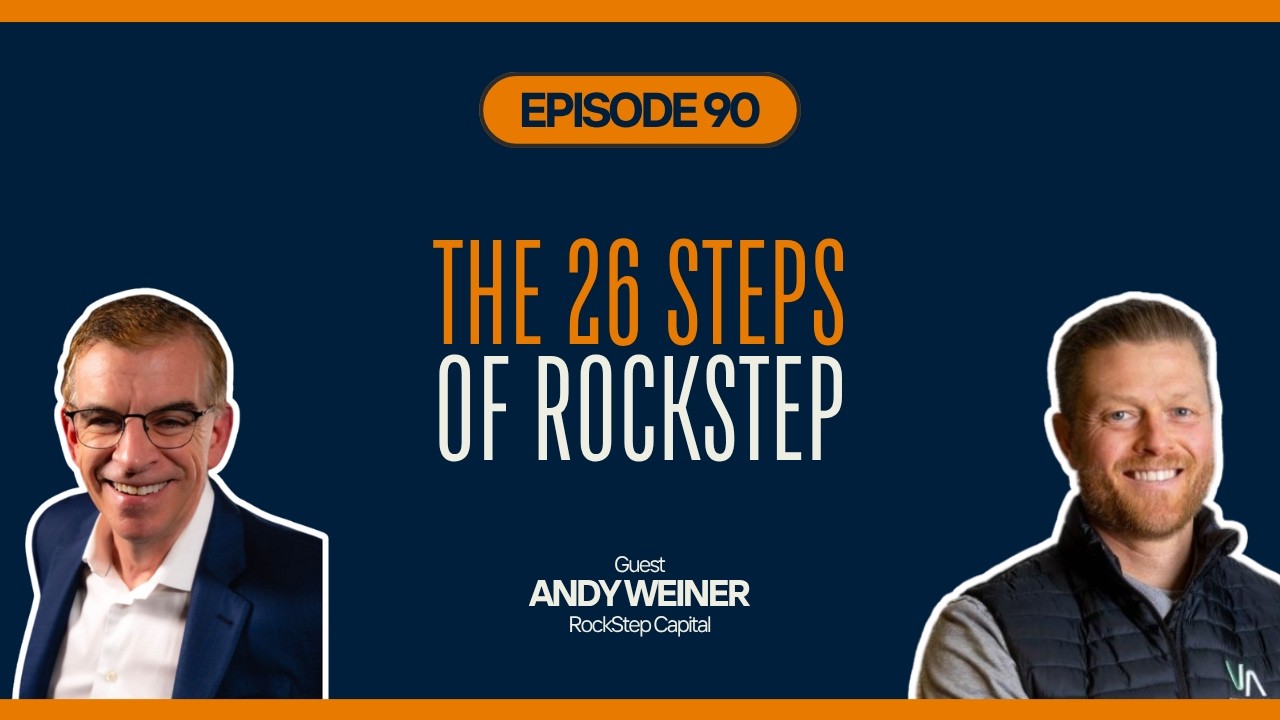
In a recent episode of the Performance Mindset Show, Andy Weiner joined host Amy Calandrino to discuss retail real estate investing, market cycles, company culture, and the value of local partnerships. Drawing on more than three decades of experience, Andy explained why shopping centers remain attractive, how RockStep evaluates HomeTown markets, and why disciplined underwriting is essential to long-term performance.
Why Retail Real Estate Is Stronger Than Many Investors Think
Andy believes many investors still view shopping centers through the lens of the disruption caused by Amazon and COVID. While those forces weakened some retailers, they also left the strongest operators in a better competitive position.
“There is a perception today that retail as an asset class in real estate is kind of still out of fashion because of the COVID-Amazon scare.
Amazon and COVID did kill the weak retailers, but those that survived have their own strategy, e-commerce strategy, to basically protect if not grow market share against Amazon.”
Many of those retailers are now expanding. Andy pointed to Aldi, TJ Maxx, Burlington, and Ross as companies planning significant store growth. At the same time, very little new shopping center inventory is being built.
“Construction costs are so high, they went up after COVID by 40%, interest rates rose, that there's virtually no new product being built. So if you own a shopping center and you have all of these companies that want to open up thousands of new stores, that's a very favorable supply-demand dynamic to be in.”
That combination of growing tenant demand and limited supply supports occupancy, leasing, and long-term property value.
How Positive Leverage Can Increase Shopping Center Cash Flow
Andy also sees opportunity in the relationship between property yields and borrowing costs.
“Positive leverage means your cap rate is higher than your interest rate when you put debt on the property. We bought a grocery-anchored center deal at a nine cap. Our debt was 7%. We're buying an enclosed mall at a 15 cap. Our debt was 6.75%. We are generally a five- to six-year hold with a target of trying to double our investor money in five to six years, with a good portion of the return being cash flow. In other words, this is a yield sector.”
Why RockStep Capital Invests in HomeTown Markets
RockStep does not focus on the largest metropolitan areas. Instead, the company invests in what Andy calls HomeTown markets.
“We do not invest in the big metros. We don't invest in the Atlantas or the Miamis or the Orlandos or the Houstons or Dallases. We are what we call HomeTown investors.”
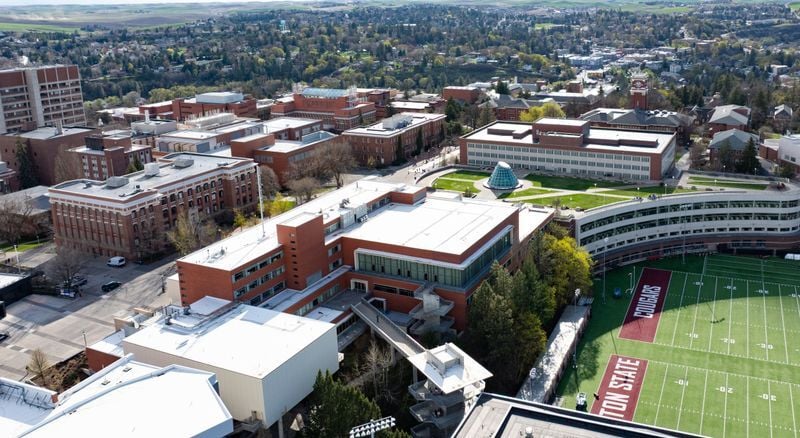
These communities typically have populations between 100,000 and one million and offer a lower cost of living, low crime, and strong quality of life. Just as important, they need a durable economic driver.
“It's got to have a major university or a military base or a growing hospital district or strong tourism or a Fortune 1000 company or companies, or some combination of that that is driving population growth.”
Many are also located within one or two hours of a major metro, allowing them to benefit as families search for more affordable housing and a better quality of life.
How Andy Weiner’s Retail Background Shaped RockStep Capital
Andy’s understanding of retail began in his family’s clothing business.
“My grandfather in Houston in the 1920s started a chain that became 150-plus clothing stores. I ran the operations for the company. So I ran all the stores. I ran real estate. I ran HR, systems, logistics, finance. My background is retail. I love retail. I understand retail. I follow retail.”
When the family business failed after competing with Walmart and facing internal challenges, Andy used the experience as motivation.
“The bankruptcy of our family business was probably the biggest motivator.”
He founded RockStep Capital in 1997 and began applying his operating knowledge to shopping center ownership.
How the RockSteps Build a High-Performance Culture
Andy created 26 Rules of Behavior known as the RockSteps.
“I wrote 26 very, very detailed rules of behavior that everybody at Rockstep is required to live by.”
Every Monday, the company discusses the RockStep of the Week. One employee writes an essay about the principle, and others explain what it means to them. The RockSteps also play a central role in hiring and retention.
“To come to Rockstep, you better be really good at leasing or accounting, whatever the specialty is, construction. To stay at Rockstep, you’ve got to live by these rules.”
Andy highlighted several principles that resonate with him, including doing the right thing, keeping family first, and being punctual. He also acknowledged areas where he continues to improve, including responsiveness, listening generously, and keeping things fun.
That openness reinforces the larger goal.
“We're not perfect, but you've got to follow these rules in order to resolve conflict, build trust, and build a high-performance team.”
Why Local Business Partners Matter in Shopping Center Investing
Whenever RockStep considers acquiring an enclosed mall, the company seeks out respected local business leaders.
“We deliberately seek out local business leaders to be partners with us. And it's part of our due diligence.”
Those conversations help RockStep understand the property, economy, politics, and leadership of the community. Once those leaders invest, they can help with incentives, property taxes, entitlements, leasing, and local relationships.
“By having local heavy hitters who are influential in the community, it reduces risk and improves returns.”
Local investors may also strengthen financing because they often own or serve on the boards of community banks. They can even become future buyers when RockStep exits the property.
For Andy, that alignment is essential.
“If we don't get local business leaders to believe in me, Rockstep, the asset, and the community, we walk the deal.”
Why Conservative Underwriting Protects Investors
After investing through multiple market cycles, Andy believes debt discipline is one of the biggest factors separating firms that survive from those that do not.
“You have to be very, very careful about your debt. You cannot over-lever.”
RockStep also underwrites rents conservatively rather than relying on optimistic assumptions.
“The rents might be at $200,000 a year, but they're going to retrade and we really should make it $125,000 a year. And let's just go ahead and write it down on paper.”
That discipline sometimes means losing deals. Andy noted that RockStep recently came in second on six acquisitions in a row.
“Somebody bid more than us and we walked. That's okay. That's part of life. You can't overpay for an asset.”

How RockStep Creates Value in Enclosed Malls
Andy explained that every mall requires a different strategy.
Some continue to operate well and generate strong cash flow. Others need partial or full redevelopment, including converting interior space into exterior-facing stores for retailers such as TJ Maxx, Ross, Five Below, and Aldi.
Another strategy is to sell individual portions of the property.
“Buy something at a 15 cap, sell off the periphery at a seven cap.”
Because malls are complex, fewer buyers and lenders are willing to pursue them. That can create opportunity for experienced operators.
How Youth Sports Tourism Is Transforming Mall Redevelopment
One emerging strategy is the conversion of vacant department store space into youth sports facilities.
“We just opened up a $47 million indoor sports complex in our Wisconsin property. Two sheets of ice and 40,000 square feet of flex, basketball, volleyball, wrestling, cheer, and convention center space.”
These facilities can attract tournaments, families, and spending to local hotels, restaurants, and retailers.
“You take out the Sears box, you put in a sports complex, and it's kind of cool stuff.”
Why Discipline Wins Across Market Cycles
Throughout the conversation, Andy returned to the same core principles: understand the market, use debt carefully, build strong local relationships, and remain willing to walk away.He also emphasized the mindset required to operate through uncertainty.
“Lots of defeats. That's okay. Business is all about problems. You've got to stay calm, count your blessings, do your best.”
For Andy Weiner, long-term success in retail real estate comes from combining discipline with adaptability. It means buying carefully, investing in resilient HomeTown markets, building trust with local leaders, and being ready to RockStep when conditions change.
Topics: