
Note: This episode is also available on platforms like Spotify and Apple Podcasts.
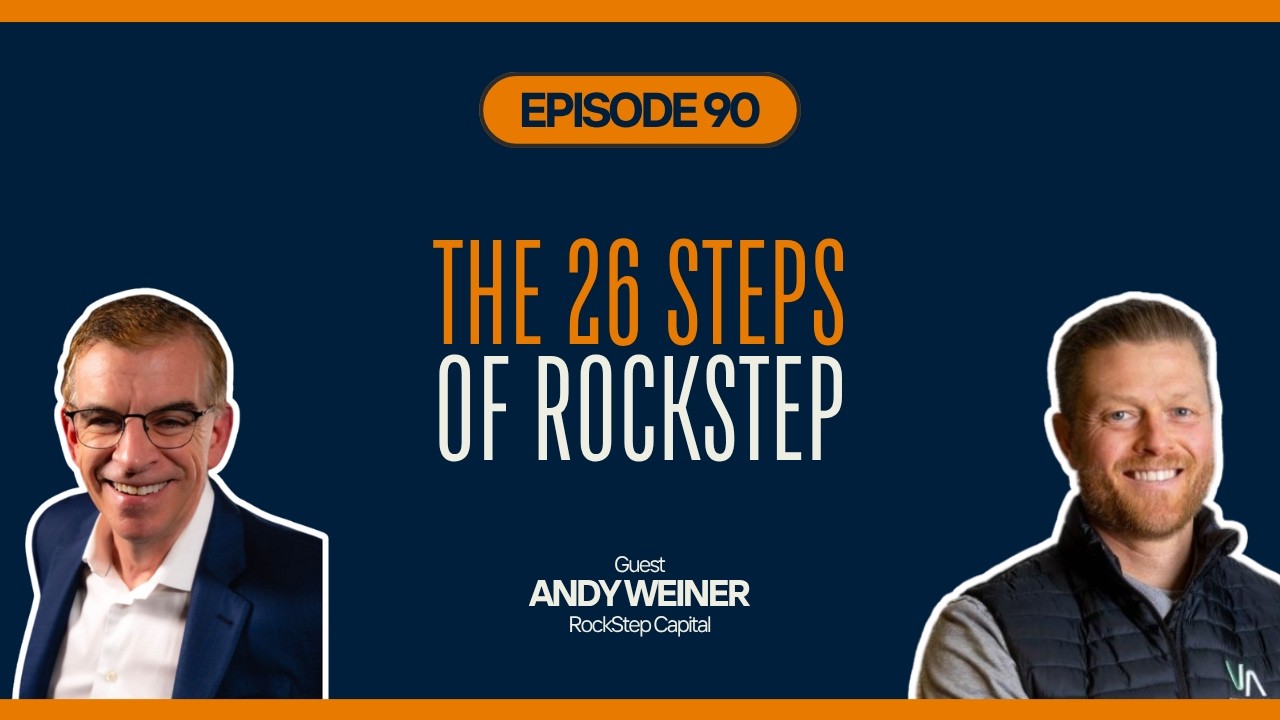
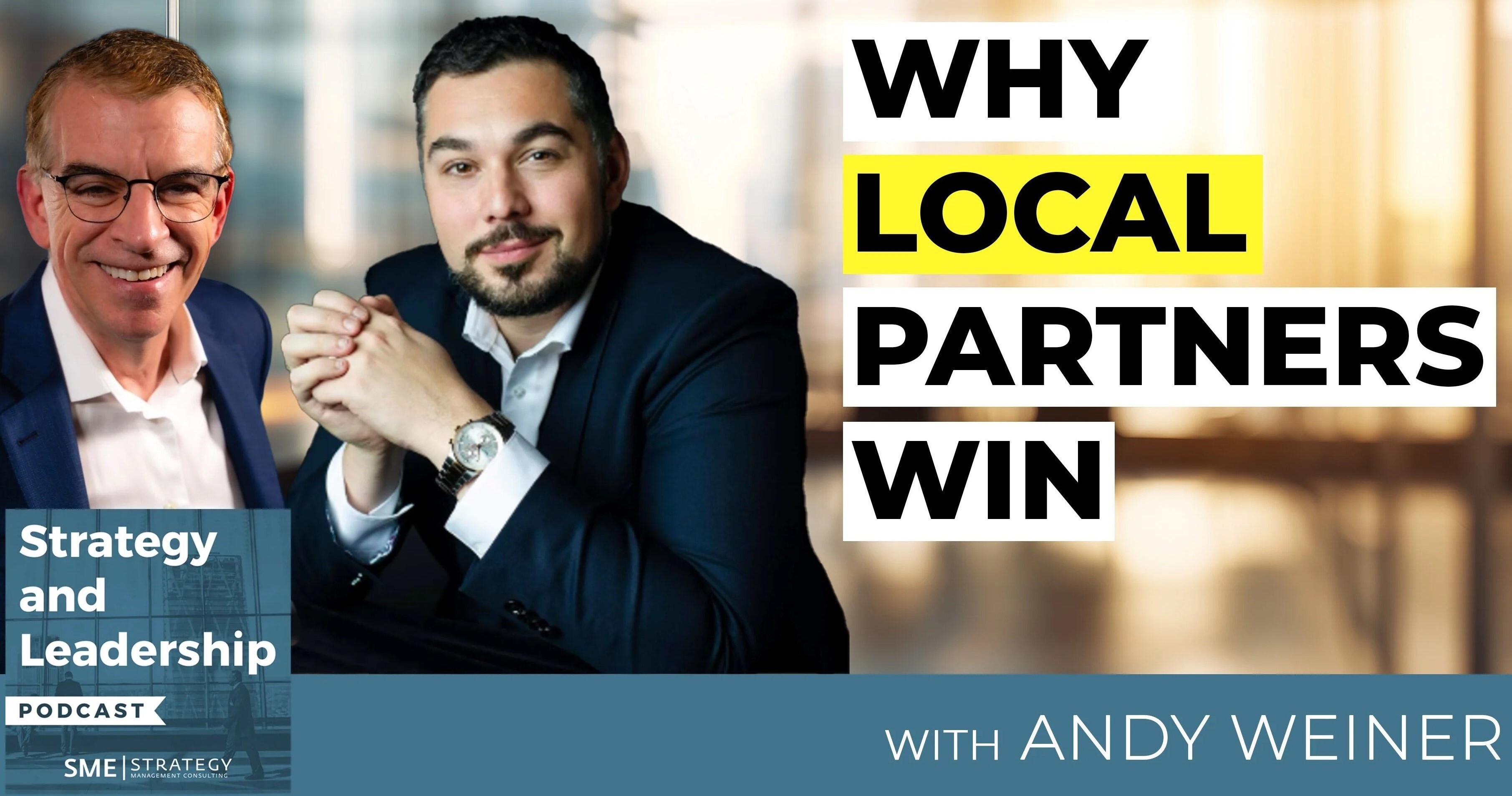
Andy Weiner joined Anthony Taylor, host of the SME Strategy and Leadership Podcast, for an in-depth conversation about strategic growth, community-focused investing, and the leadership lessons learned over a 40-year career.
The discussion offered a unique blend of real estate insight, organizational culture, and personal perspective on what it means to build a resilient, values-driven company.
From Family Retail Roots to Real Estate Leadership
Andy began the episode by reflecting on his early years running Weiner’s Stores, the 159-location retail chain founded by his grandfather in the 1920s.
“I learned about store metrics, logistics, finance, HR, real estate. I’ve been in thousands of communities and shopping centers in my career.”
Those experiences shaped how he sees markets, communities, and long-term economic trends. They also laid the groundwork for RockStep Capital, which has now built or acquired more than 10 million square feet of shopping centers across 11 states.
What Makes a “Hometown” Market Work
As Andy explained, RockStep focuses on one specific geography: HomeTowns. These are secondary or tertiary markets with populations under one million (sometimes as small as 100,000) but with strong fundamentals.
“A hometown has quality of life, great leadership, and essential drivers that support population growth.”
Those drivers may include:
-
Major universities
-
Expanding hospital systems
-
Military bases or research facilities
-
Strong tourism
-
Fortune 1000 employers
Within these markets, RockStep buys grocery-anchored centers, open-air shopping centers, and enclosed malls. These are often distressed but well-located assets that offer significant upside.
“You can buy great real estate with very high cash flow in great locations in these hometowns.”
A Strategy No One Else Uses: Local Partners as a Competitive Advantage
One of the most distinctive parts of RockStep’s operating model is its partnership structure.
“We do something nobody else in the country does. We get local partners as part of our strategy and part of our due diligence.”
For every acquisition, Andy and his team speak directly with the community’s business leaders (the “heavy hitters,” as he describes them) to understand the market and the asset from the inside.
“We ask what they think of the market, what they think of the asset, and then whether they want to be partners with me and our other investors.”
These partners:
-
Influence civic and political decisions
-
Sit on hospital boards, college boards, and economic development groups
-
Understand the local tax landscape
-
Often sit on the boards of community lenders
Their involvement reduces risk, accelerates redevelopment approvals, strengthens community buy-in, and positions RockStep as a long-term steward rather than an absentee owner.
“We know how to operate real estate. But these properties succeed or fail because of community-based issues. Local partners help us navigate all of that.”
Retail Disruption and Why Shopping Centers Still Matter
Anthony asked about the perception that Amazon and COVID destroyed retail. Andy pushed back on that idea with clarity and optimism.
“Amazon has killed the weak retailers. But those that survived have upped their game. They have e-commerce, apps, distribution networks, and they are holding or gaining market share.”
Major brands like TJX and Aldi are expanding aggressively, yet new shopping center construction remains scarce.
“There’s no new construction in our sector. Interest rates went up and construction costs went up. That combination has essentially stopped new supply.”
The result is a supply-demand environment that benefits existing centers, especially in growing HomeTown markets.
The Rock Steps: A Culture Built for Agility and Accountability
When the conversation turned to organizational culture, Andy lit up. RockStep’s 25 RockSteps are the backbone of how the company communicates, collaborates, and solves problems.
“I wrote 25 detailed rules of behavior that I require everyone at RockStep to live by. They are how we build trust and create a high-performance team.”
He explained the origin of the name:
“Rockstep is a dance move. It’s the shift in direction when the music changes. We use it as a metaphor for being nimble and responsive.”
Every Monday at 10 a.m., the entire company meets virtually for the Rock Step of the Week. One person shares an essay about the assigned behavior, and others respond and discuss its meaning.
“We have done this ritual for nine years. Everyone uses the language. It is by far the most important part of our company.”
Candidates interviewing at RockStep must come prepared to discuss which RockSteps resonate most strongly and which they find challenging.
“To stay at RockStep, you have to live by the Rock Steps. That is non-negotiable.”
What Makes Leadership Difficult, Even After 40 Years
Anthony asked Andy what remains challenging after decades of experience. Andy didn’t hesitate.
“I am still surprised at how hard it is to get a deal done.”
He explained the reality of competitive bidding, underwriting uncertainty, and the limits of even the best preparation.
“You can underwrite conservatively and still get outbid. You stretch too far and you take risk. You stay conservative and you lose opportunities. It is very hard to know how far to go.”
And even perfect execution cannot eliminate the role of timing and luck.
“As hard as you work, if your timing isn’t good, the outcome isn’t good. That is just reality.”
Leadership as a Daily Practice of Solving Problems
One of Andy’s most powerful insights came toward the end of the conversation.
“Business, especially at a leadership level, is all about problems. That is all we do. You must learn to take them calmly, assess the worst-case scenario, and rock step into solutions.”
He emphasized the need for emotional steadiness, clarity of communication, and the ability to guide teams through ambiguity.
“If your constitution cannot handle the stress of constant problem-solving, then you are in the wrong place.”
A Final Word on Strategy and Adaptability
Anthony closed the podcast by summarizing the central lessons: adaptability, behavioral clarity, stakeholder alignment, and consistent execution. Andy added one final thought about the essence of the Rock Step philosophy.
“Being able to look at your behaviors, build a strategy around them, and adapt when the music changes — that is what makes organizations sustainable.”
The episode delivered rich insights not only for investors and real estate professionals but also for leaders seeking to build stronger teams, stronger cultures, and stronger communities.
Topics: