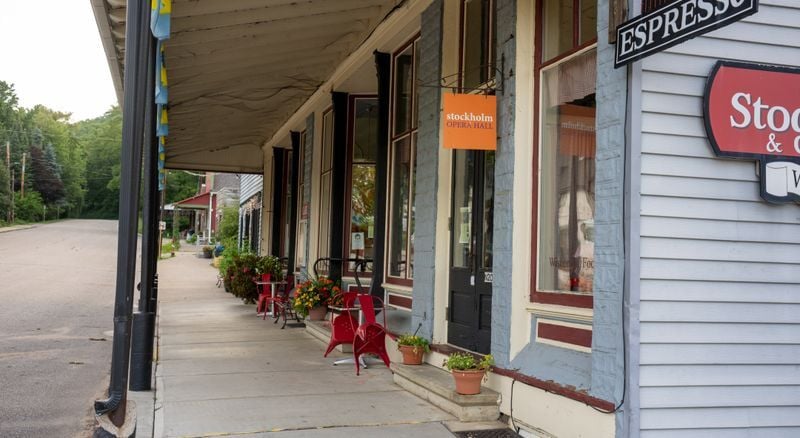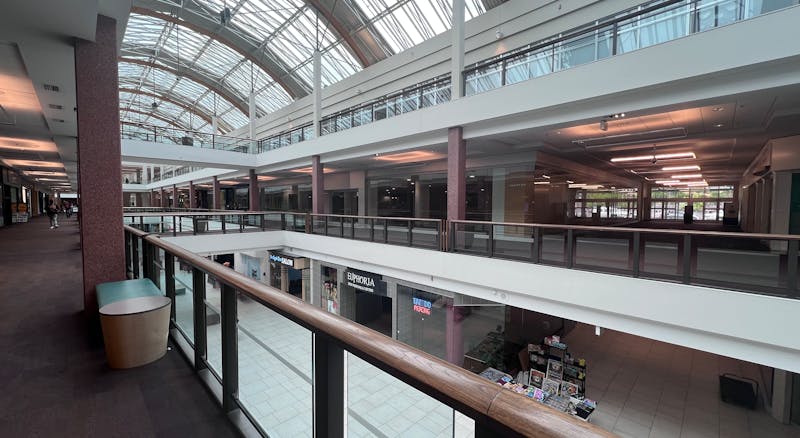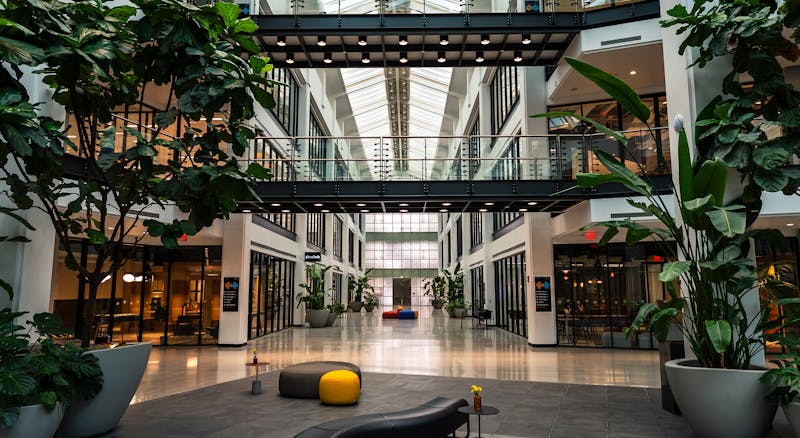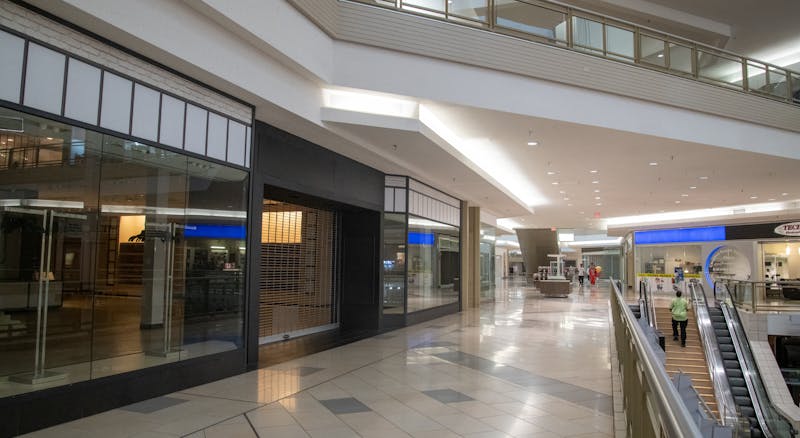

Abilene, San Angelo, and Richmond may not be on every investor's radar, but RockStep sees opportunity in all three.
Ask investors where they’d look for retail real estate, and the same names come up: Dallas, Houston, Nashville. These are recognized markets with growing populations and plenty of attention. Abilene and San Angelo, Texas, or Richmond, Kentucky, rarely make the list. Yet each has an established economy, draws shoppers from the surrounding countryside, and anchors retail that people rely on every week. Spend a little time learning what brings people to these cities, and the case for them starts to build.
At RockStep Capital, we’ve spent years investing in HomeTown communities like these. We study the local economy, learn where people shop, and seek properties well positioned in their markets. The numbers carry equal weight. Purchase price, existing tenants, and potential improvements all help determine whether an opportunity is financially sound.
We were recently awarded three acquisitions: Mall of Abilene in Abilene, Texas; Sunset Mall in San Angelo, Texas; and Carriage Gate in Richmond, Kentucky. Each calls for its own application of our HomeTown strategy, and all remain subject to due diligence, financing, documentation, and closing. This nine-article series explores each community and what drew RockStep to it.
Why Investors Should Look Beyond Familiar Retail Markets
Big cities dominate commercial real estate conversations. Investors know their names, follow their business news, and recognize their shopping districts. Time spent in a place shapes where money flows.
Abilene is a different story. Unless you’ve spent time in West Texas, you may know little about its healthcare system, military presence, or universities. Richmond poses the same puzzle for anyone unfamiliar with Eastern Kentucky University and the energy it brings to the surrounding community.
Those local details tell investors a great deal about retail demand. They explain who shops in a community, where customers spend, and why certain properties keep drawing crowds.
Headlines tend to celebrate population growth, but a big population can’t make a shopping center a good investment on its own, and neither can a low purchase price. Investors need to see how the property performs, whether its tenants have enough customer demand, and what it will take to hold or improve its financial position. That starts with understanding what makes a smaller market tick.
What Makes a HomeTown Market Worth Investing In?
City population figures rarely tell the whole story. Some HomeTown communities serve a region far larger than their official boundaries suggest, pulling in residents from nearby towns for healthcare, education, jobs, and shopping.
A family might head into a regional city for a doctor’s appointment. While they’re there, they might grab lunch, pick up household supplies, and visit a retailer they can’t find back home. This routine is familiar in many smaller communities, and those shopping trips really add up.
For a retail property owner, this regional traffic can be a major source of demand. A hospital or university brings people into town, but investors still need to determine where those people shop and whether nearby retailers capture that spending.
Four Factors to Evaluate in HomeTown Retail Markets
When we evaluate a HomeTown retail market, four questions help us understand the opportunity:
- What keeps the local economy moving? We look at major employers, institutions, and other sources of household spending.
- Where do shoppers come from? A shopping center may draw customers from several surrounding communities, especially in regional retail hubs.
- Where do people actually shop? Established retail corridors, competing centers, and tenant performance help reveal which locations customers prefer.
- Do the numbers work? Occupancy, rental income, financing costs, capital needs, and the purchase price all factor into the investment decision.
The answers can vary considerably from one community to the next. Those differences help explain why RockStep tailors its investment plan to each acquisition.
Three HomeTown Markets Behind RockStep's Awarded Acquisitions
Abilene, San Angelo, and Richmond each have distinct economies, shopping habits, and retail properties. Each offers an opportunity to examine how local conditions shape a shopping center's strengths, challenges, and potential.
Abilene, Texas: A Regional Retail Hub in the Big Country
Abilene has long served as the commercial hub of the Big Country region in West Texas. Residents of surrounding communities travel there for work, healthcare, education, and shopping, giving local retailers access to customers well beyond the city limits.
The city’s institutions define its reach. Dyess Air Force Base supports military personnel, civilian employees, and their families. Hendrick Health serves patients throughout the region. Abilene Christian University, Hardin-Simmons University, and McMurry University attract students, employees, and visitors to town.
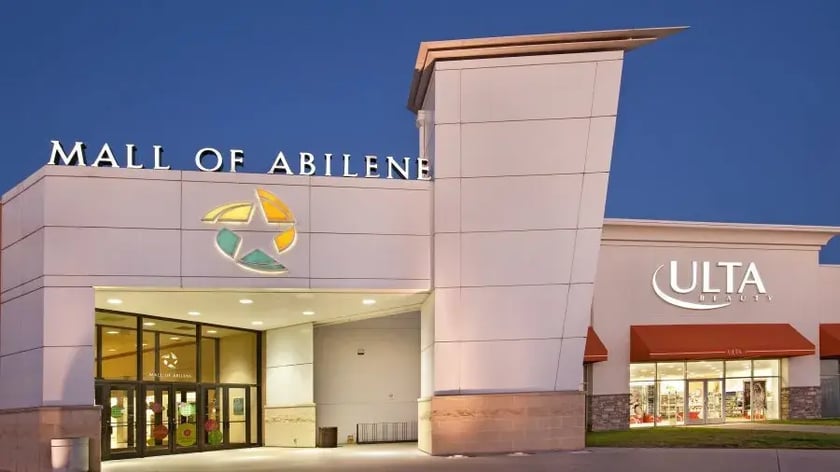
The Mall of Abilene Investment Opportunity
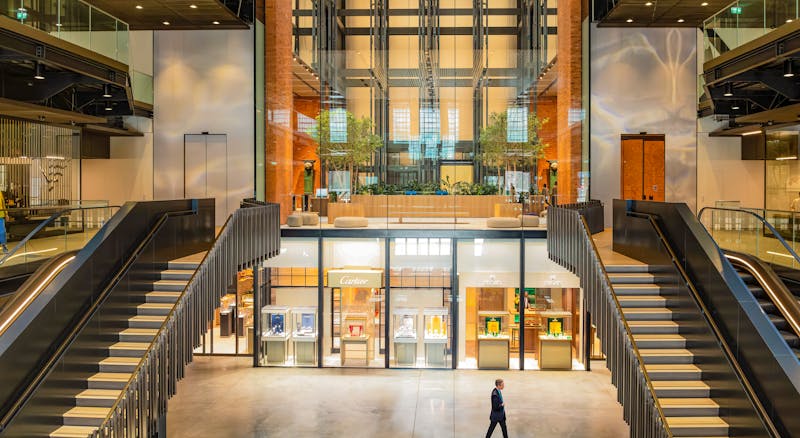
Mall of Abilene sits along the established retail corridor at Buffalo Gap Road and Clack Street. The property also houses the Abilene Public Library’s South Branch, a reminder that the mall plays a role in community life beyond shopping.
RockStep’s attention was drawn to the property’s location, regional customer base, and reported tenant performance. We see opportunities to support the property through tenant retention, leasing, and active management.
San Angelo, Texas: Where the Concho Valley Comes to Shop
San Angelo anchors the Concho Valley. Ringed by smaller towns and ranching communities, the city offers shopping, healthcare, education, and services that aren’t always available elsewhere.
Goodfellow Air Force Base, Angelo State University, and Shannon Health are key contributors to the local economy. They provide jobs, support local households, and draw visitors to San Angelo year-round.
Those visitors rarely make just one stop. Someone in town for a medical appointment may shop or grab lunch before heading home. College events draw families to local restaurants and stores. These everyday routines fuel the shopping activity that sustains established retail corridors.
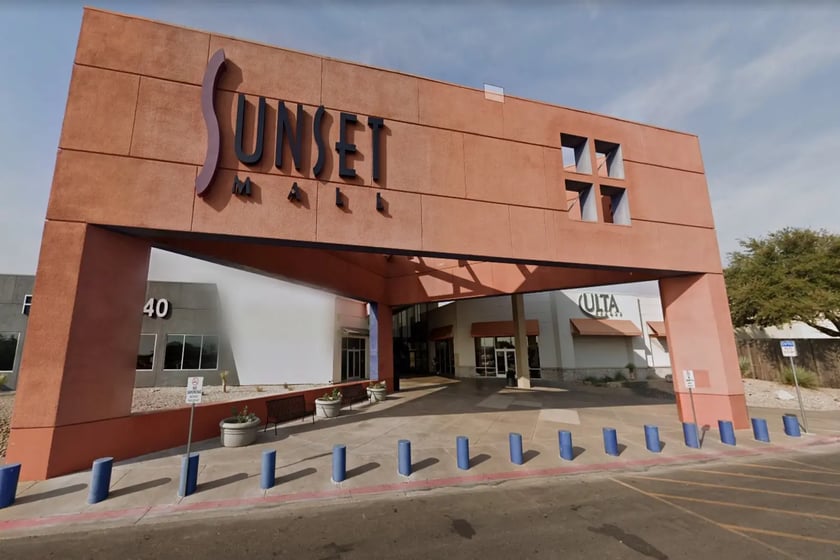
The Sunset Mall Investment Opportunity
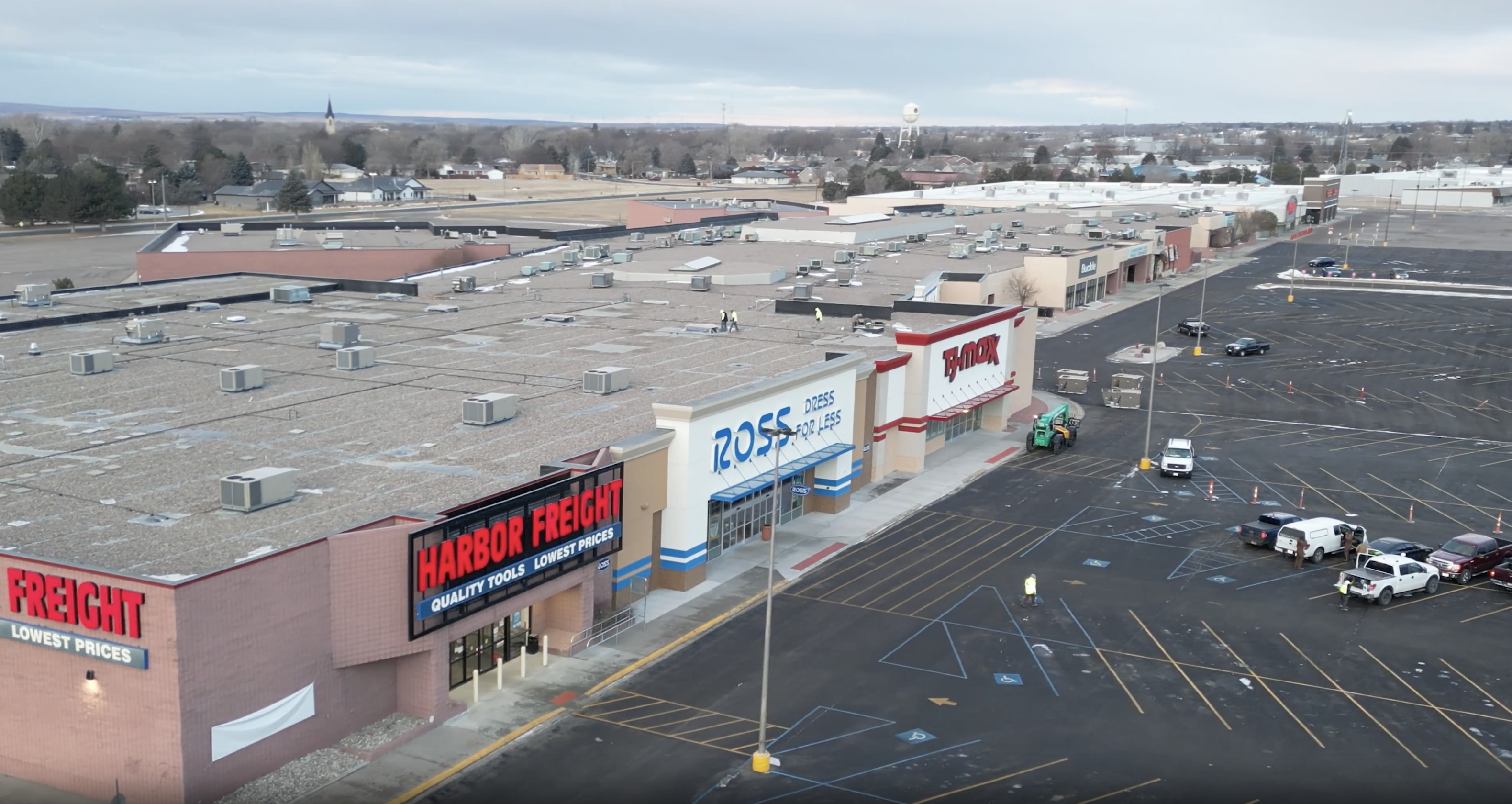
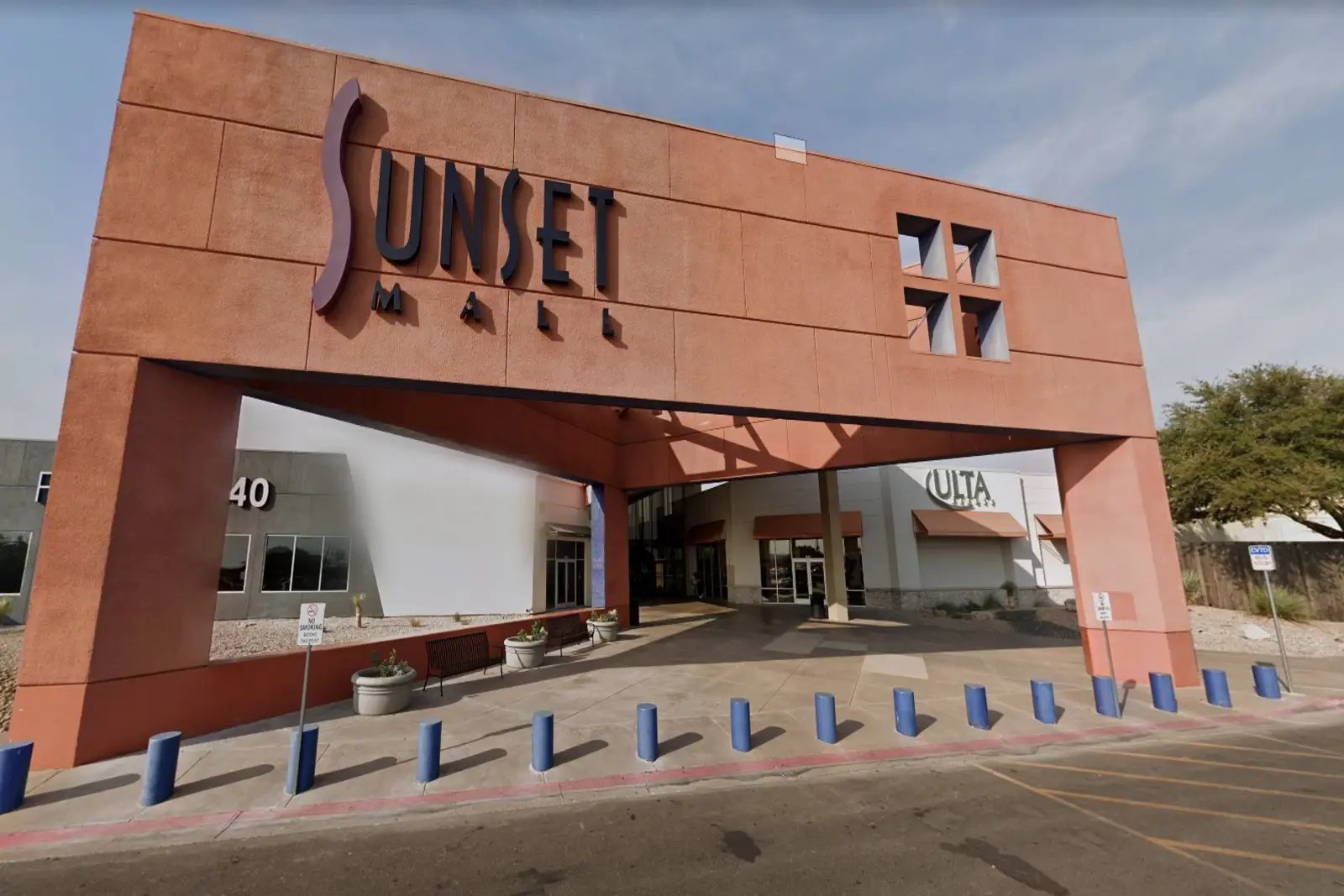
Sunset Mall sits along the Sherwood Way shopping corridor near Loop 306. Exterior-facing retailers listed in RockStep’s materials include Murdoch’s, Ollie’s, Marshalls, and Ulta. Inside the mall, lower occupancy creates operating challenges that require careful attention.
RockStep’s plan supports the exterior retail while assessing the interior’s leasing potential, operating costs, and capital requirements.
Richmond, Kentucky: A College Town With Established Retail Demand
Richmond sits south of Lexington along Interstate 75. That location provides access to a larger metropolitan area, while local employers and institutions support the city’s economy and its shopping districts.
Eastern Kentucky University drives much of the activity. Students, faculty, staff, and visitors, along with campus events, support restaurants, retailers, housing, and services. Baptist Health Richmond creates jobs and draws patients from nearby areas.
For retail properties near these institutions and in established neighborhoods, this combination can bring in customers from several different sources. How much of that spending reaches a particular shopping center depends on its location, tenants, and nearby competition.
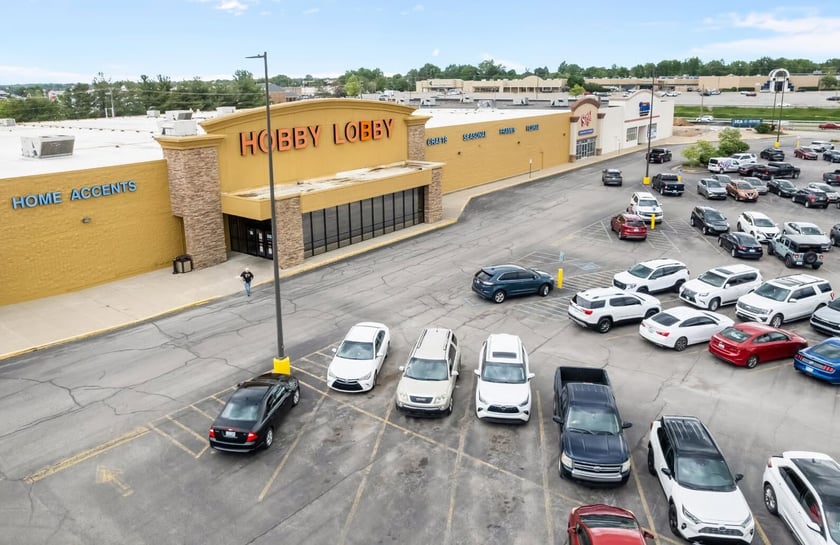
The Carriage Gate Investment Opportunity
Carriage Gate is an open-air shopping center on the Eastern Bypass, close to residential neighborhoods, the university, healthcare facilities, and other retail destinations.
Tenants listed include Hobby Lobby, Five Below, Bealls, and Dollar Tree. September property materials reported full occupancy, a figure that remains subject to confirmation during due diligence.
Carriage Gate requires a different approach than the two enclosed malls in Texas. The proposed plan focuses on property maintenance, retaining existing tenants, and pursuing rent increases where lease terms and market conditions allow.
Our Richmond overview will look at the university’s influence, local shopping patterns, and the location factors that drew RockStep to Carriage Gate.
What Happens After RockStep Is Awarded a Retail Property?
Being awarded these three acquisitions is an important milestone. RockStep has been selected to move forward with specific properties, giving prospective investors the opportunity to review the assets, financial information, and proposed business plans.
Plenty of work remains. Due diligence must be completed, financing finalized, equity commitments secured, and closing requirements met before ownership transfers.
After closing, priorities will vary by property. Mall of Abilene can build on its retail position through leasing and management. Sunset Mall needs a stronger focus on exterior retail and a plan for its enclosed section. Carriage Gate should prioritize tenant retention, maintenance, and rent growth.
Those differences ripple into operating budgets, capital needs, and projected returns. A property may look attractive at its purchase price, but that appeal can shift when unexpected capital needs or a longer operating timeline arise. Working through those possibilities before closing lets us build a business plan tailored to each property.
Why This Matters for Real Estate Investors
When a community is unfamiliar, it’s easy to overlook what makes its retail properties worth a look. Learning about local employers, regional shopping habits, and a property’s place in the community helps investors assess its potential.
That local knowledge is useful, but the financial details still need to substantiate the opportunity.
How To Evaluate Retail Real Estate Opportunities Effectively
Before investing, prospective investors should examine several factors:
- Rental income and tenant health: Are existing tenants performing well, and how dependable is the property's income?
- Lease expirations and occupancy: Which leases are approaching expiration, and how could vacancies affect future performance?
- Capital requirements: What maintenance, repairs, or improvements might require additional investment?
- Financing and projected returns: Do borrowing costs and realistic operating assumptions support the proposed investment?
An enclosed mall with vacant space may have room to welcome new tenants, although filling that space can take time and investment. A fully leased open-air center may offer steadier, more established income, while leaving fewer opportunities to secure quick occupancy wins.
Every property has its own mix of risk and opportunity. Purchase price, financial assumptions, capital requirements, and post-closing work all shape the outcome. Studying each community and property shows investors what currently drives performance and where our team at RockStep can focus next.

The Next Retail Opportunity Could Be Hiding in Plain Sight
Familiar markets attract the most attention, which makes sense. Investors gravitate toward places they already know. However, worthwhile retail opportunities also appear in communities that rarely appear on standard investment lists.
Abilene, San Angelo, and Richmond each offer economic strengths, a regional role, and shopping habits that attracted our team’s interest. The next step is to assess how those traits support dependable rental income and realistic paths to improvement.
Successful retail investing starts with understanding the people and places behind a property, what makes it economically appealing, and the work that can help it perform even better. A ZIP code in a major metro matters much less than strong fundamentals, and you can find those almost anywhere.
Our next article heads to Abilene, Texas, to explore the community and regional activity supporting the Mall of Abilene. Prospective investors can also request access to the secure data rooms for all three awarded acquisitions or schedule a conversation with our investor relations team.
Topics: