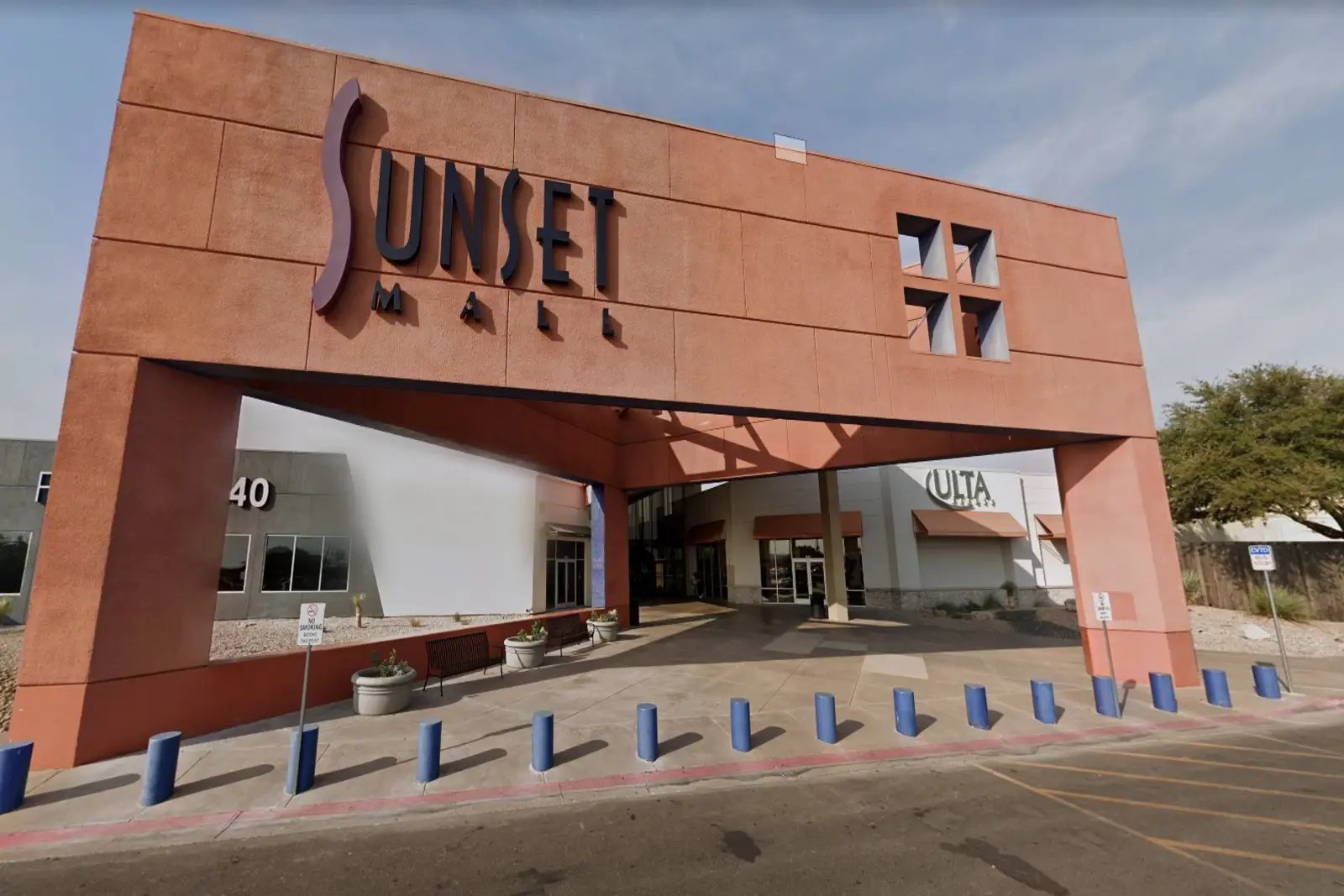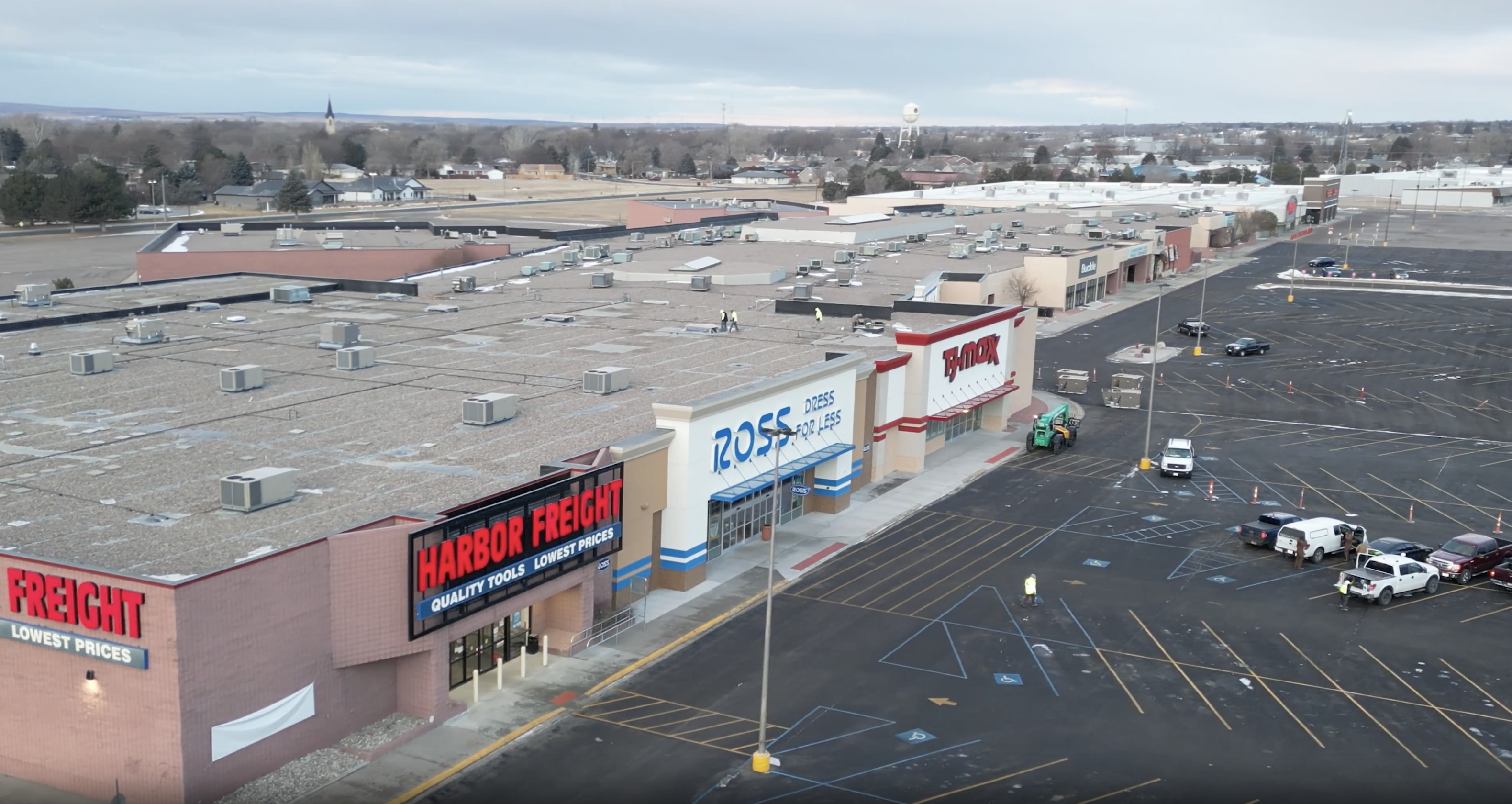

Shoppers across the Big Country have plenty of reasons to make the drive to Abilene, even though the city rarely shows up on lists of Texas’s biggest cities.
When investors discuss Texas real estate, Dallas, Houston, and Austin often get the spotlight. Abilene may receive less attention, but it plays an important role as a hub for shopping, healthcare, higher education, and services that smaller West Texas communities may not always have nearby.
Understanding that role is the first step. A population figure shows how many people live in Abilene. The major employers, institutions, and shopping destinations explain why people from nearby communities keep coming back.
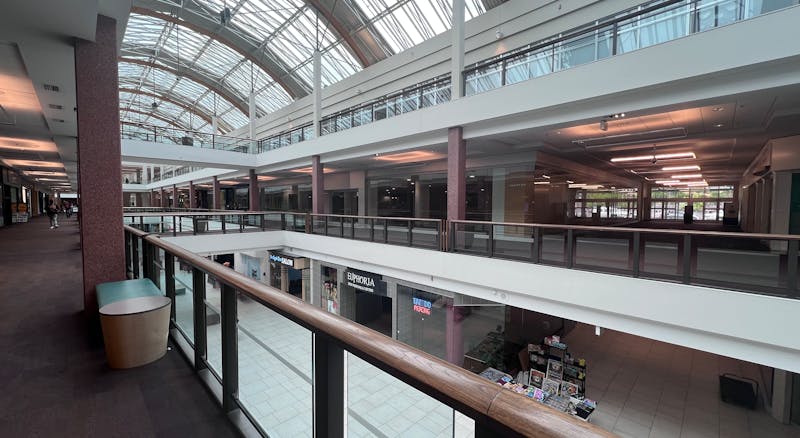
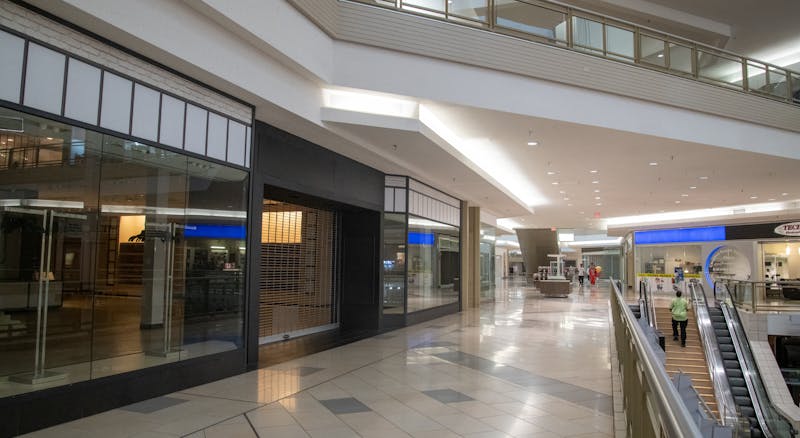
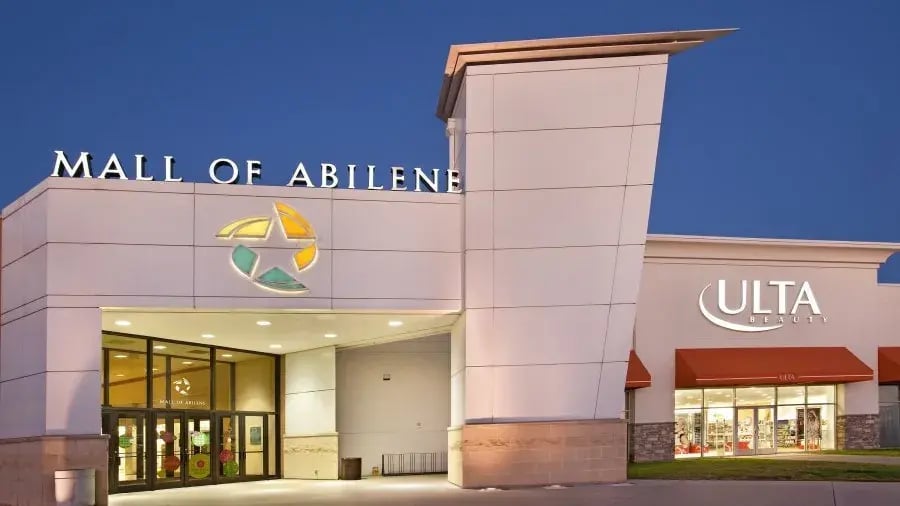
At RockStep Capital, we’re interested in how that activity connects to Mall of Abilene. The property sits within an established shopping district, and its reported tenant sales and leasing activity give us specific reasons to evaluate the opportunity.
RockStep has been awarded the opportunity to acquire Mall of Abilene, subject to completing the remaining diligence, financing, documentation, and closing requirements. Understanding the community helps explain what attracted us to the property, so we start there.
What Makes Abilene, Texas, an Appealing Place to Live?
Abilene sits along Interstate 20 in West Texas, with healthcare, universities, shopping, and community activities nearby. U.S. Census Bureau estimates for 2020 to 2024 report an average commute of 15.6 minutes and a median owner-occupied home value of approximately $183,700. Those figures sketch a picture of daily life and housing in the city.
The city also has a distinctive cultural identity. Storybook sculptures line downtown, and the National Center for Children’s Illustrated Literature and the Children’s Art + Literacy Festival celebrate Abilene’s ties to children’s books. Frontier Texas explores regional history, while the West Texas Fair & Rodeo and university athletics bring residents and visitors together.
Dyess Air Force Base also shapes community traditions. The Abilene Chamber of Commerce’s Military Affairs Council supports military personnel and their families through programs such as the World’s Largest BBQ and community sponsorship initiatives.
All of this adds to Abilene’s appeal as a place to live and visit, and it also tells investors something about the customers local retailers serve. The next question is what keeps the local economy running.

What Drives Abilene’s Economy and Retail Demand?
Abilene’s economy rests on several established employers and institutions. Some support households living in the city year-round. Others bring in patients, students, and visitors from surrounding communities.
Major Employers and Industries Supporting Abilene’s Economy
Four sectors stand out:
- Military and defense: Dyess Air Force Base supports military personnel, civilian employees, and their families, adding to demand for housing, shopping, and everyday services.
- Healthcare: Hendrick Health is headquartered in Abilene and reports serving a 24-county region across West Central Texas.
- Higher education: Abilene Christian University, Hardin-Simmons University, McMurry University, and Texas State Technical College contribute students, employees, and visitors.
- Manufacturing: AbiMar Foods and Great Lakes Cheese are among the businesses identified by the Development Corporation of Abilene.
Each sector feeds economic activity in its own way. Military households have recurring needs, and healthcare appointments and university events pull additional visitors into town. Whether any of that reaches a particular shopping center depends on where those visitors shop and how its tenants perform.
Four Reasons Abilene’s Retail Market Deserves Investor Attention
Abilene’s regional reach, established retail corridors, and reported tenant activity give investors a baseline for evaluating its shopping centers. Recent development projects could also influence future demand, though their effects remain uncertain.
1. Abilene’s Retail Customer Base Extends Beyond City Limits
Residents of smaller Big Country communities may drive to Abilene for specialized healthcare, major retailers, university activities, and other services. Those trips often include several stops. Someone visiting Hendrick Health might pick up household supplies on the way out, and a family in town for a college event could shop before heading home.
Competition also works in Mall of Abilene’s favor. According to the broker’s offering memorandum, the nearest competing enclosed mall is about 90 miles away in San Angelo. Other shopping centers still compete for customers, but that distance gives Mall of Abilene a distinct position among enclosed retail destinations in the Big Country.
Investors should examine the property’s retail trade area, the geographic area from which it draws customers, as well as shopper origins, competition, and tenant performance. Regional trips can contribute to spending, but they say little about how much of that spending reaches the mall.
2. Mall of Abilene Sits Along an Established Retail Corridor
Mall of Abilene has several well-known retail neighbors. According to the broker’s offering memorandum, the property sits near Buffalo Gap Road and Clack Street, with access to Highway 83, within a corridor containing approximately 2.6 million square feet of retail space. Nearby retailers include Target, Walmart, Lowe’s, Home Depot, and Academy Sports.
The mall combines shopping, entertainment, and community services. Its South Branch library offers storytimes, study rooms, and meeting space, while a cinema draws visitors. Dillard’s, Best Buy, and a Hendrick Health facility also operate in the larger complex, though several buildings are separately owned and excluded from RockStep’s proposed acquisition.
The surrounding retailers help define this part of Abilene as a shopping district, and they also compete for the same customers. Mall of Abilene’s position depends on its tenants’ ability to attract shoppers and generate enough business to cover their leases. Tenant sales show how well that is going.
3. Mall of Abilene’s Tenant Sales Offer Evidence of Existing Demand
Location sets the scene. Tenant sales and leasing activity give a direct look at how the property performs.
RockStep’s September 2026 executive summary reported:
- 5.7% growth in inline tenant sales during 2025, following declines in 2023 and 2024
- 50,344 square feet of lease renewals and approximately 7,345 square feet of new leases during the preceding twelve months
- 95% leased occupancy across the overall mall complex, compared with 89% for the space included in RockStep’s proposed acquisition
4. New Development Could Influence Abilene’s Future Retail Demand
Abilene has attracted investment in technology infrastructure and military facilities, and several projects could affect employment and demand for local services.
Crusoe reported that the first phase of the Stargate data-center campus became operational in September 2025. The company also announced a separate Microsoft-related campus in March 2026, and the ultimate schedule and local economic effects of that development require ongoing monitoring.
At Dyess Air Force Base, a fuels-facility project broke ground in December 2025 to support current operations and future B-21 Raider requirements, with original project materials projecting completion in October 2027.
These projects may generate additional economic activity. Their impact on local retailers will depend on construction timelines, employment levels, and where workers live and shop.
For Mall of Abilene, the existing property’s performance remains the foundation of the investment case. Any added tenant sales or rent growth attributed to future development would need supporting evidence before it appears in financial projections.
What Mall of Abilene’s Sales, Visits, and Leasing Reveal
The same materials report average inline sales of about $407 per square foot and occupancy costs of 7.8% for tenants with less than 10,000 square feet. Those figures show how much revenue stores generate relative to their real estate expenses, though individual tenant performance varies.
Foot traffic adds another data point. RockStep’s September summary cites Placer.ai estimates of about 3.2 million visits over the preceding twelve months, up 12.4%. That points to substantial activity at the property, though it can’t show how much each visitor spends.
Recent renewals with Premiere Cinema, Shoe Dept., Aéropostale, and Maurices add leasing evidence and give investors specific lease terms and tenant relationships to review during diligence.
Scale matters here. The proposed acquisition covers approximately 336,716 square feet within a larger 681,552-square-foot complex. Several anchor buildings are separately owned, so their income and operating obligations must be kept distinct from those of the property RockStep would acquire.
RockStep’s proposed plan includes retaining productive tenants, pursuing select leasing opportunities, and reviewing operating expenses. The financial case depends on what those improvements can realistically achieve after accounting for their costs.

Why This Matters for Real Estate Investors
Abilene’s regional role and established shopping districts give investors reason to examine its retail market. Mall of Abilene’s reported tenant sales and leasing history add specific evidence, and the investment decision still depends on the property’s income, expenses, and risks.
What Investors Should Examine Before Investing in Mall of Abilene
Tenant performance, lease expirations, and competition deserve close attention. A tenant departure can reduce rental income and trigger added costs for improvements, leasing commissions, and finding a replacement.
Building condition and future capital requirements carry equal weight. Maintenance and improvements can affect cash flow, especially when actual costs exceed initial estimates.
RockStep’s underwriting assumes flat renewal rents and no tenant sales growth, while incorporating selected leasing opportunities and operating changes. Diligence needs to test those assumptions, along with the property’s financing terms and operating expenses.
Abilene’s development projects may eventually bring additional spending to the market. The more immediate priority for investors is to determine whether the property’s existing income and realistic improvement opportunities justify the proposed purchase price, capital requirements, and associated risks.
Why Abilene Belongs on the Retail Investment Map
Abilene plays a central role across the Big Country. Its employers, institutions, and shopping destinations draw people from throughout the region, while local households support businesses year-round.
Mall of Abilene occupies an established retail location within that activity. Its reported tenant sales and leasing history give RockStep a reason to pursue the property, and the acquisition economics and future operating decisions will determine whether the opportunity is financially viable.
Abilene’s population figure undersells its regional reach. For retail investors, the questions that count are where customers spend their money and whether a shopping center can convert that demand into dependable income.
Interested in taking a closer look? Access the secure Mall of Abilene data room to review the proposed acquisition, or schedule a conversation with RockStep’s investor relations team.
Topics: