
Note: This episode is also available on platforms like Apple Podcasts and Spotify.
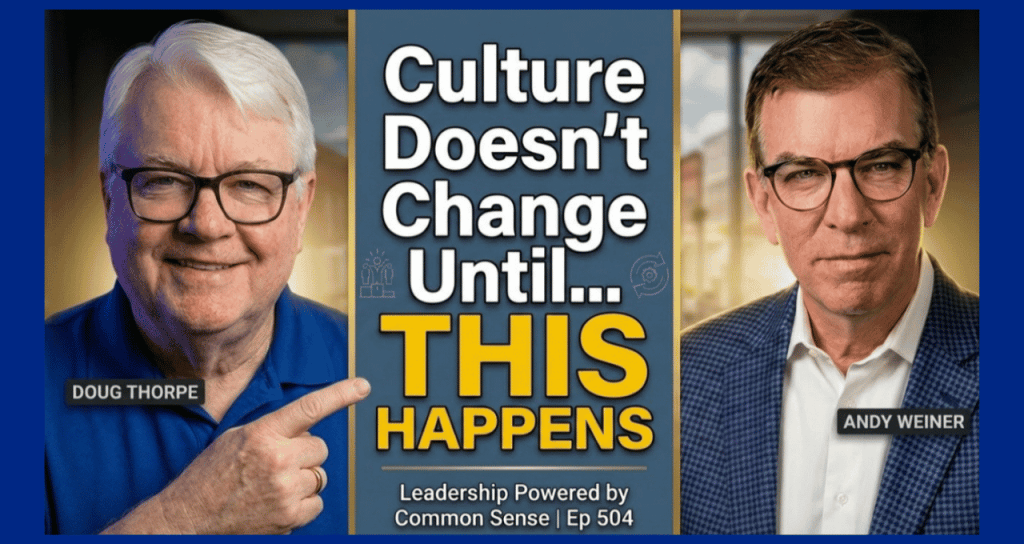
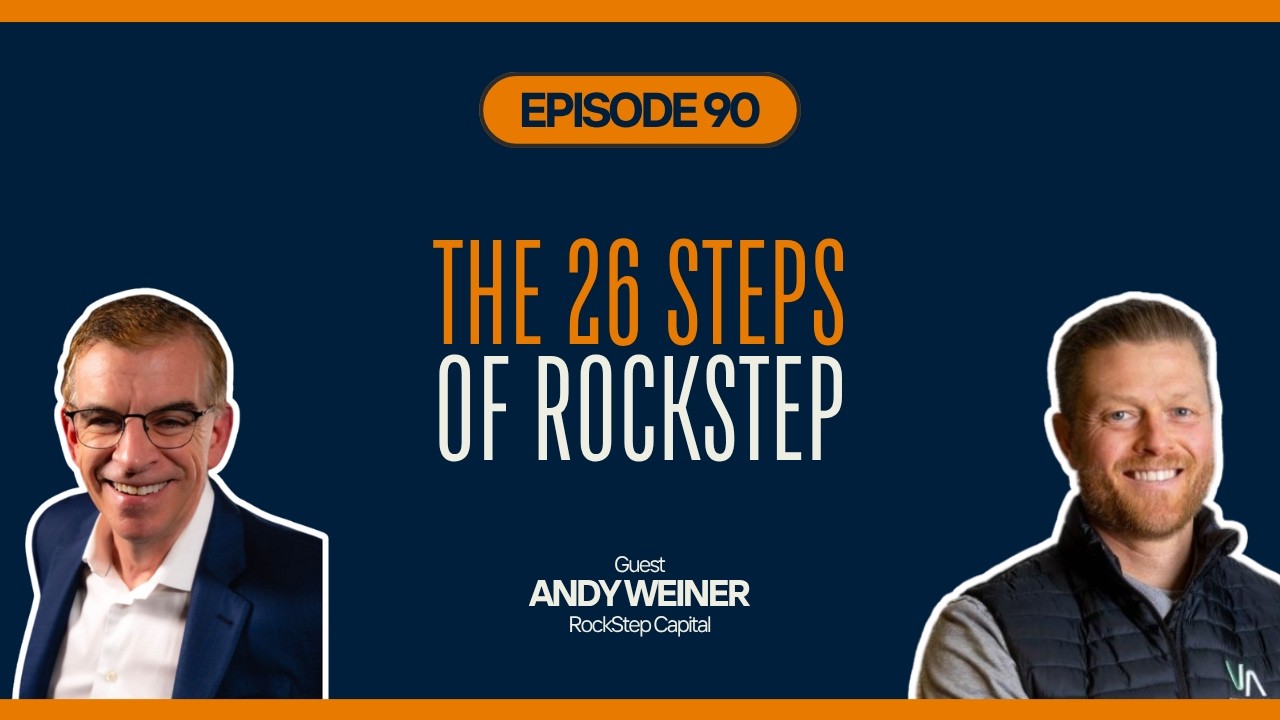
In a recent episode of the Culture Architects podcast, Andy joined host David J. Friedman to share how a culture built on behavioral clarity and daily practice became the engine behind Rockstep Capital’s long-term performance.
What began as a solo venture after a retail bankruptcy has grown into a national investment platform with over 100 employees. At the center of it is one thing: culture that works because it’s lived.
Lessons from Retail: The Wake-Up Call
Before founding Rockstep, Andy helped run Wieners Stores, his family’s 159-location retail chain in Texas and Louisiana. But the company couldn't survive increasing competition and internal governance issues.
"We did a Chapter 29," Andy said. "Two Chapter 11s and a Chapter 7. Walmart was expanding fast, and we just couldn’t compete. We had inventory issues, and we had family conflict. That combination took us down."
That experience left a lasting impression.
"Inventory is the most important asset in retail. If you don’t manage it right, nothing else matters. That stuck with me."
When it was clear there was no future in the family business, Andy decided to start over, this time in real estate.
From Big-Box Development to Small-Town Investing
Andy launched Rockstep Capital in 1997, focusing on Walmart Supercenter-anchored developments. The early years were lean.
"There’s no income for two to three years in development. I was married with kids, spending on architects and engineers with no salary. It was stressful."
A key turning point came with a site outside Houston that attracted Tractor Supply's interest.
"That one deal led to twelve more. I realized these smaller markets were good places to work. People wanted you to succeed. There was transparency and ethics. That wasn’t always the case in the big city."
Andy began shifting Rockstep’s focus to what he calls "Hometown America", which he defines as secondary and tertiary markets with strong fundamentals, local alignment, and less competition.
The Cultural Inflection Point
As Rockstep grew, Andy saw that financial strategy alone wasn’t enough.
"I had a strong business personality, but no structure around our behaviors. That’s when I realized we needed something more intentional."
That realization led him to work with David Friedman to codify a set of company behaviors. Not vague values, but practical expectations.
"I don’t use the word ‘values’ very often. I prefer ‘behaviors.’ What do we want people to actually do? What does great performance look like in our world? That’s what the Rocksteps are."
Why 26 Rocksteps?
Some have questioned whether 26 is too many. Andy doesn’t think so.
"I get that all the time: 'Why not five? Why not seven?' But I believe there are specific behaviors that matter and can’t be reduced to a handful of buzzwords."
Each Rockstep is written clearly and practically, covering everything from listening generously to providing solutions. And they’re not just posted on a wall—they’re used.
"We built this into our rhythm. Every Monday at 10 A.M. Central, we have a Rockstep of the Week. One person writes an essay, we play their favorite song, learn a fun fact, and then we talk. And anyone on the call might be asked to share."
Incorporating Rituals That Stick
"We’ve been doing it every week for nine years. No breaks. It’s how we hire, how we onboard, how we review people, and how we make decisions."
Andy knows what happens when culture becomes just another HR initiative.
"We’ve had programs that died before. This one didn’t because it’s real. It’s in our conversations."
No Jerks. Not Even Brilliant Ones.
One Rockstep gets mentioned more than most: Don’t Be a Jerk.
"I made the mistake before. I hired someone I thought could transform a department. They were brilliant—but they didn’t live the Rocksteps. And it didn’t work."
He added, "You’ve got to be good at what you do to get hired. But to stay at Rockstep, you have to live the Rocksteps. No jerks. Not even brilliant jerks."
Keeping Remote Teams Aligned
With Rockstep’s growing team spread across the U.S. and overseas, maintaining alignment takes work. Andy credits the Rockstep ritual as essential.
"We had remote employees before COVID. And yeah, it’s harder. But without something like Rockstep of the Week, you can’t build culture across locations. It gives everyone a shared language."
He’s candid that offshore integration is still a work in progress.
"We’ve got people in India, Latin America, the Philippines. We need to do better at including them in the rhythm. That’s our next opportunity."
What Investors Are Really Asking
Now that Rockstep is moving from syndications to a fund model, Andy spends more time with institutional and family office investors. What they want isn’t always what people assume.
"People think investors only care about returns. But they want to know: who are you? How do you respond when something goes wrong? What’s your team like?"
"Especially with family offices, they’re investing in people, not just deals. The Rocksteps give them a real answer to ‘who we are.’"

Combining Structure and Behavior: EOS + Rocksteps
Rockstep also runs on EOS (Entrepreneurial Operating System), and Andy believes it pairs well with the Rocksteps.
"EOS gives us structure: meeting cadence, goals, and roles. The Rocksteps give us the behaviors. EOS tells us what we do. The Rocksteps explain how we do it."
He’s quick to point out the distinction.
"EOS says you should have five to seven core values. That’s fine for hiring, but it doesn’t create behavioral consistency across the company. That’s where the Rocksteps come in."
What Andy Has Learned
When asked to reflect on the biggest takeaways from Rockstep’s culture journey, Andy is clear:
"Number one: never hire brilliant jerks. I’ve done it. It’s not worth it."
"Number two: culture has to start with the CEO. I get disappointed when others don’t lead with the Rocksteps the way I do. But then I remind myself—this starts with me."
"Number three: rituals work. We’ve had programs fail. This stuck because we made it part of how we operate."
A Culture That Compounds
As the episode wrapped, Andy emphasized that this isn’t a feel-good initiative or internal branding campaign. It’s part of how Rockstep delivers results.
"There’s nothing more important to our success than the Rocksteps. And I’ll talk about them with anyone. This isn’t theory. This is how we run the business."
Topics: